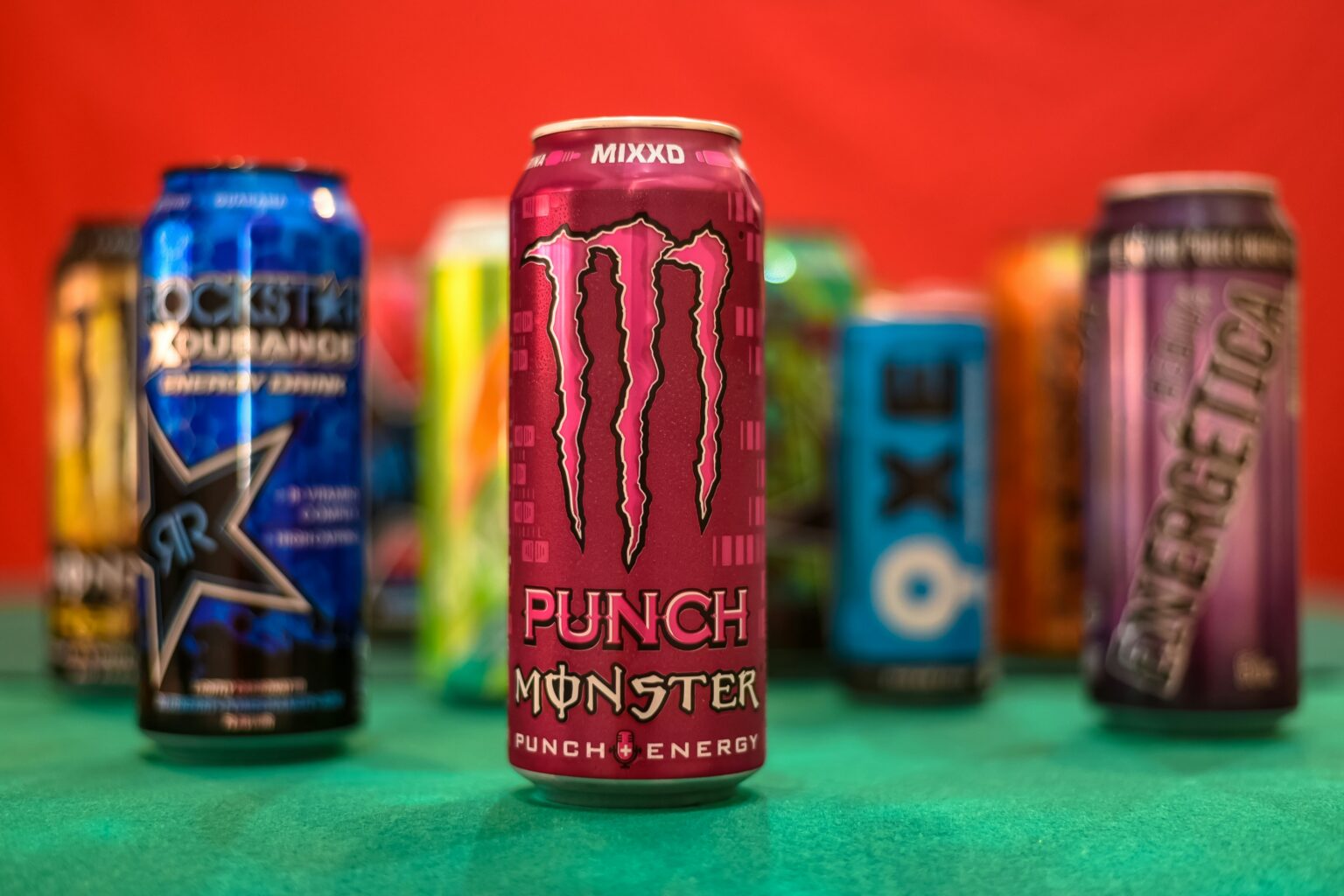

Spain’s parliament has rejected a proposal that would have banned energy drinks for children and teenagers amid growing concern over youth caffeine consumption.
The law, put forward on Tuesday by left-wing alliance Sumar, failed to pass after 178 MPs voted against it, while 166 backed the proposal and five abstained.
The legislation aimed to prohibit the consumption of energy drinks by under-16s, while extending restrictions to under-18s for beverages containing higher levels of caffeine.
The proposal also sought to ban advertising of unhealthy food products aimed at children.
According to the Health Ministry, almost 40% of teenagers in the country consume energy drinks.
Supporters of the measure argued the drinks pose growing health risks for minors due to their high caffeine and sugar content.
Social Rights Minister Pablo Bustinduy said the proposal formed part of wider efforts to tackle childhood obesity and unhealthy eating habits.
Bustinduy claimed that ‘eight out of 10 people believe advertising unhealthy foods aimed at minors should be banned’.
The defeat means the bill will not proceed through parliament.
The debate comes as several European countries continue tightening rules around the sale and marketing of high-caffeine energy drinks to minors amid concerns over sleep problems, anxiety, heart issues and excessive sugar intake among young people.