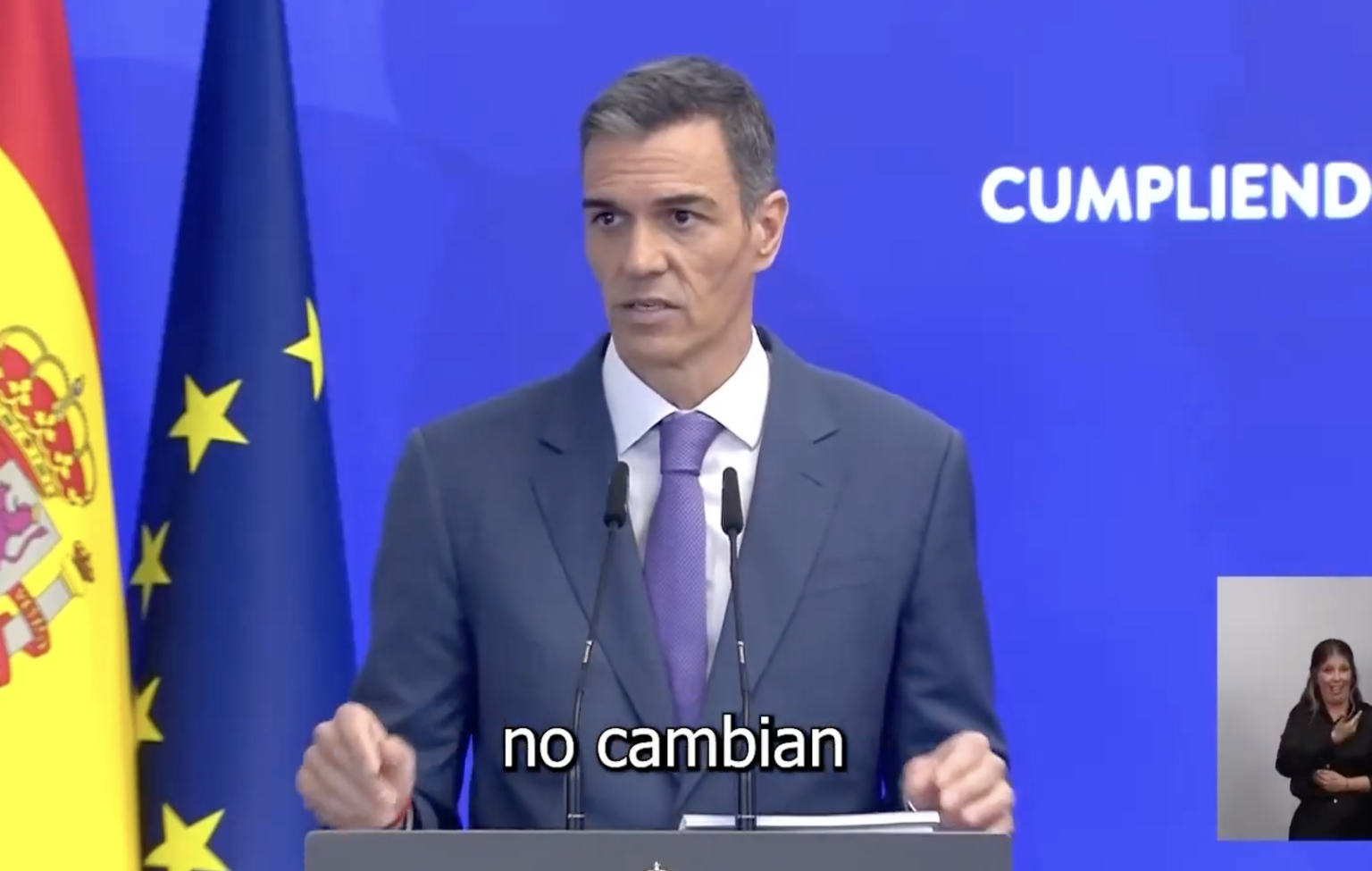

Pedro Sanchez is set to lead the PSOE into the next general election despite growing speculation over his long-term future.
The prime minister will mark eight years as Spain’s leader on June 2, making him one of the longest-serving leaders of the democratic era.
Just days earlier, it will also be nine years since he reclaimed control of the PSOE in dramatic primary elections that reshaped the party.
Despite periodic rumours about succession plans inside the Socialists, Sanchez currently appears to have no obvious replacement waiting in the wings.
That lack of a clear heir became especially visible in April 2024, when the prime minister took five days away from public life to consider resigning following the opening of judicial investigations involving his wife, Begoña Gomez.
The episode caused major anxiety within PSOE ranks, with senior figures reportedly unsure who could realistically take over if Sanchez stepped aside.
Rather than preparing a successor, however, Sanchez has gradually weakened the presence of heavyweight political figures around him.
Over the past few years, several of the government’s most influential ministers have left frontline politics, including former vice presidents Nadia Calviño and Teresa Ribera, as well as long-time PSOE powerbroker Carmen Calvo.
The departure of Maria Jesus Montero from the cabinet to focus on Andalucian politics further reduced the number of senior political figures inside government.
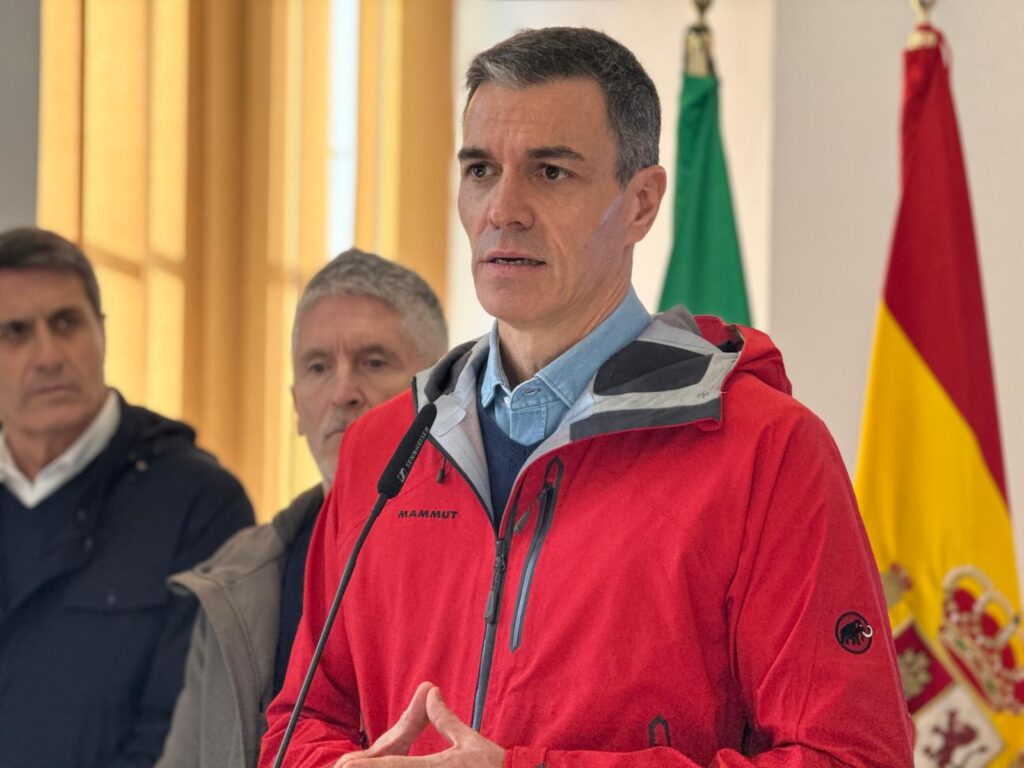
Only a handful of ministers from Sanchez’s original 2018 cabinet remain, including Defence Minister Margarita Robles, Interior Minister Fernando Grande-Marlaska and Agriculture Minister Luis Planas.
Sanchez also surprised many observers by appointing economist Carlos Cuerpo as economy minister and deputy prime minister instead of selecting a stronger political figure. Cuerpo is viewed as a technocrat and has already ruled out running in future general elections.
Speculation over Sanchez’s future intensified again after the imprisonment of former PSOE organisation secretary Santos Cerdan, which caused shockwaves inside the party.
However, Sanchez recently attempted to shut down succession rumours entirely by publicly confirming that he plans to seek re-election.
‘I am determined to stand in the 2027 general election,’ he said after the latest NATO summit, in comments that reassured nervous PSOE officials.
Inside the Socialist party, many still view Sanchez as the PSOE’s strongest electoral asset and the main figure capable of keeping the party united during an increasingly volatile political period in Spain.
While Spain’s next general election is not expected until mid 2027 unless called early, Sanchez’s latest comments strongly suggest he has no intention of stepping aside any time soon.