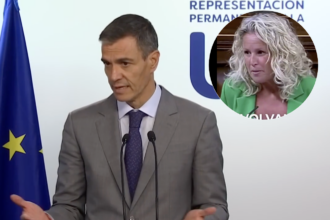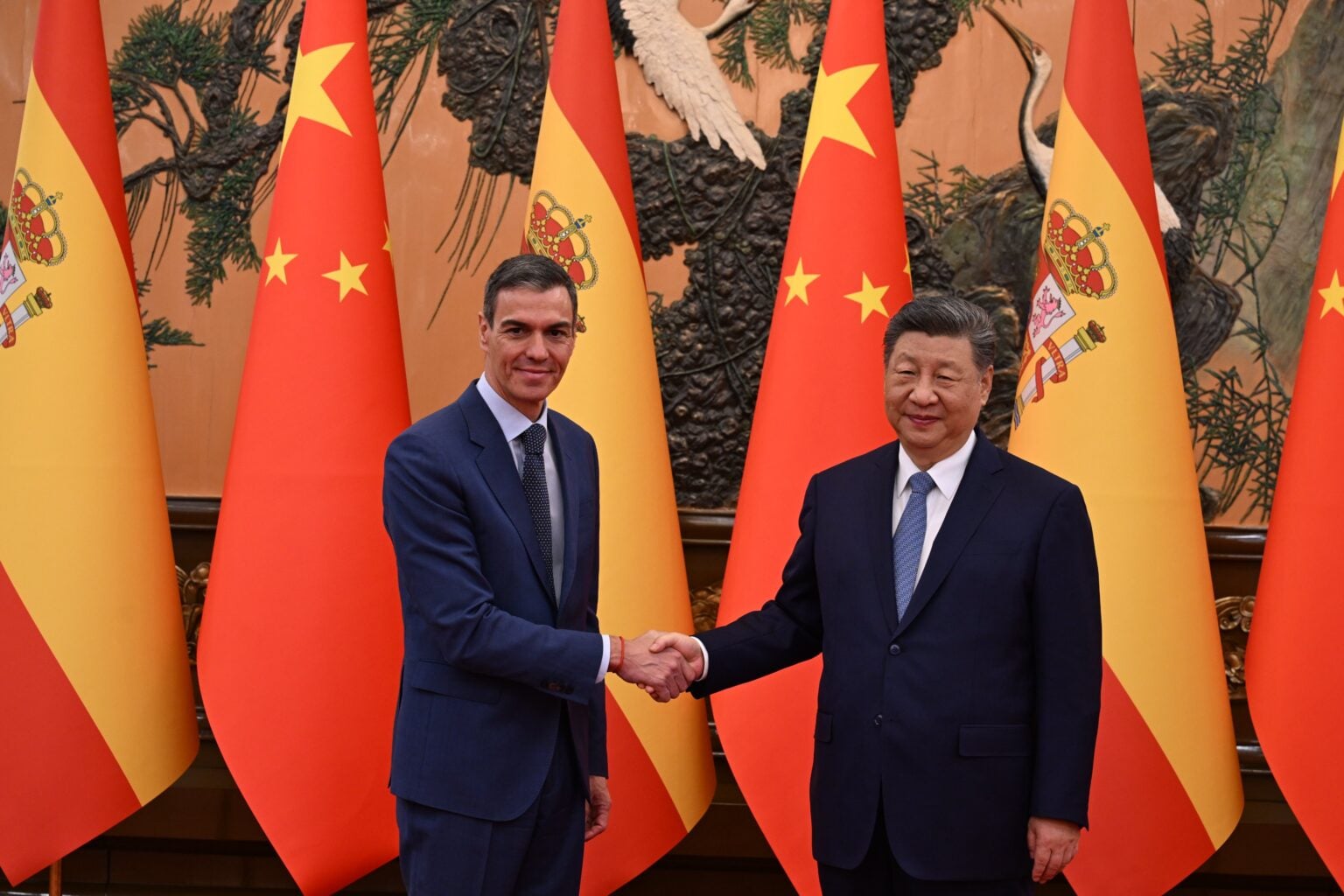

Spain has moved to deepen its ties with China after Pedro Sanchez was received with full military honours in Beijing, before overseeing the signing of 19 cooperation agreements with the Asian superpower.
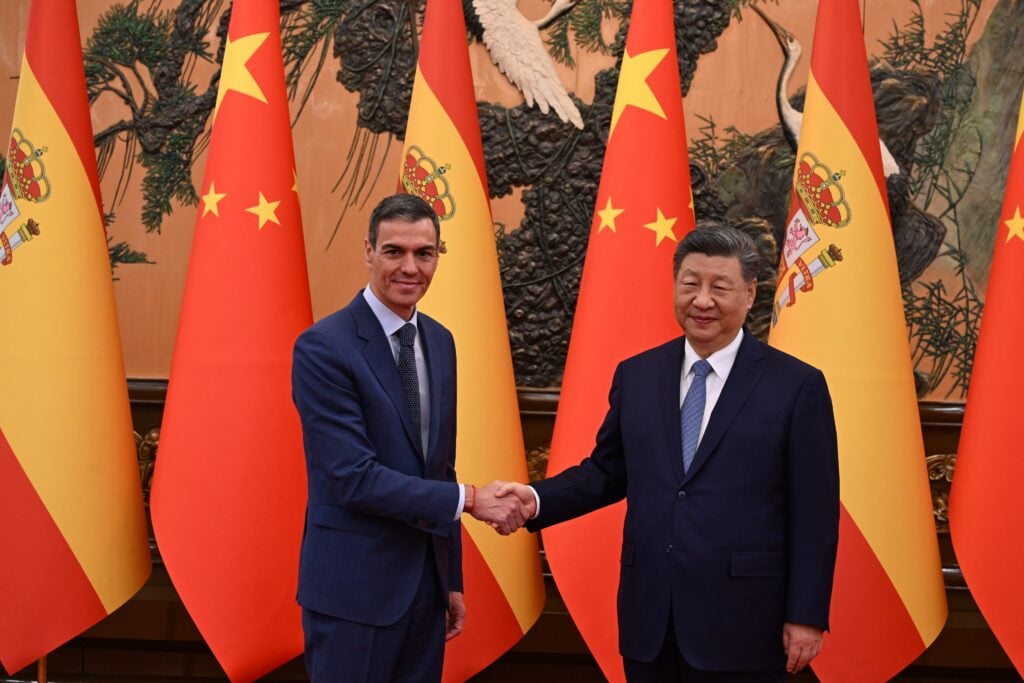
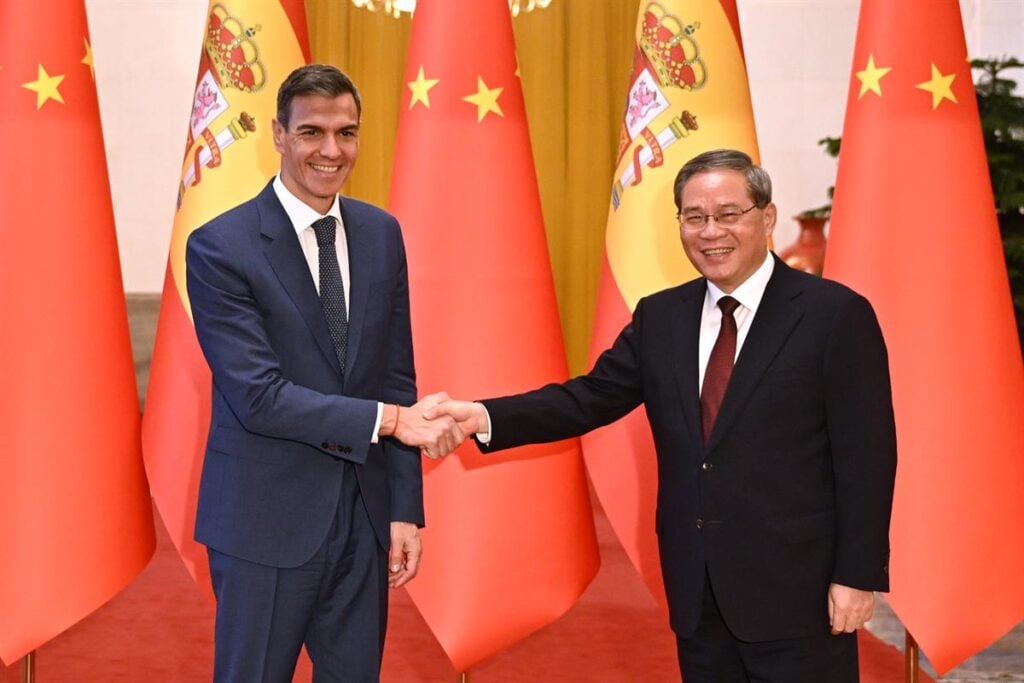
The visit, centred around high-level talks with leader Xi Jinping and his premier Li Qiang at the Great Hall of the People, marks a significant step in Madrid’s ongoing push to strengthen economic, political and technological links with Beijing.
At the heart of the agreements is the creation of the new ‘Strategic Diplomatic Dialogue Mechanism’ – a framework designed to formalise and regularise top-level engagement between the two countries.
Led by foreign ministers, it will give Spain a similar channel of influence to those already used by major EU powers such as France and Germany.
But beyond diplomacy, the real focus was business.
Business at centre of talks
Sanchez made clear that Spain is not simply seeking Chinese capital, but wants investment that brings technology, expertise and long-term value to the Spanish economy.
The message from Madrid was that investment must help strengthen local industry, integrate into supply chains and create jobs on the ground.
That economic balancing act is reflected in several of the deals signed.
In the agri-food sector, new export protocols will allow Spanish products – including pistachios, dried figs and pork-derived proteins – to enter the Chinese market, while also strengthening protections for geographic indicators and boosting cooperation on animal health, particularly around avian flu.
There was also a memorandum of understanding on sustainable transport, aimed at developing greener infrastructure and advancing cooperation in mobility.
Sanchez held separate talks with Chinese investors in sectors including electric vehicles, battery development, renewable energy, drones and artificial intelligence – all areas seen as critical to Spain’s economic future.
Trade deficit
Economically, Sanchez is attempting to walk a fine line by deepening ties with China while addressing a growing trade imbalance.
Spanish exports to China rose by more than 7% over the past year following earlier agreements, according to the government. But the deficit remains significant and correcting it is now a priority.
New deals signed during the visit aim to improve access for Spanish products, particularly in the agri-food sector.
‘There is a clear imbalance that we must correct,’ Sanchez said, adding that the latest agreements should help consolidate export growth and rebalance trade flows.
Science and culture
Beyond trade, the agreements extend into education, science and culture, which are areas both sides see as critical to long-term influence.
Spain and China have agreed to collaborate on joint university campuses for teaching and research, as well as shared projects between institutions such as the National Archaeological Museum in Madrid and the National Museum of China. Additional cooperation will focus on forestry and biodiversity.
One of the more ambitious proposals to emerge from the visit came in the field of space and science.
With China part of the international consortium behind the Thirty Meter Telescope (TMT), Sanchez formally offered the island of La Palma as a potential site for the project – a move that would place Spain at the forefront of global astronomical research.
The diplomatic push continued later in the day with a meeting between Sanchez and Zhao Leji, China’s third-ranking political figure.
Both sides highlighted the strength of bilateral relations, pointing in particular to cultural exchange programmes, including the network of Instituto Cervantes centres in China and Confucius Institutes in Spain.
The visit underscores Spain’s strategy of positioning itself as a key European partner for China – as tensions continue to simmer between Beijing, Washington and Brussels.