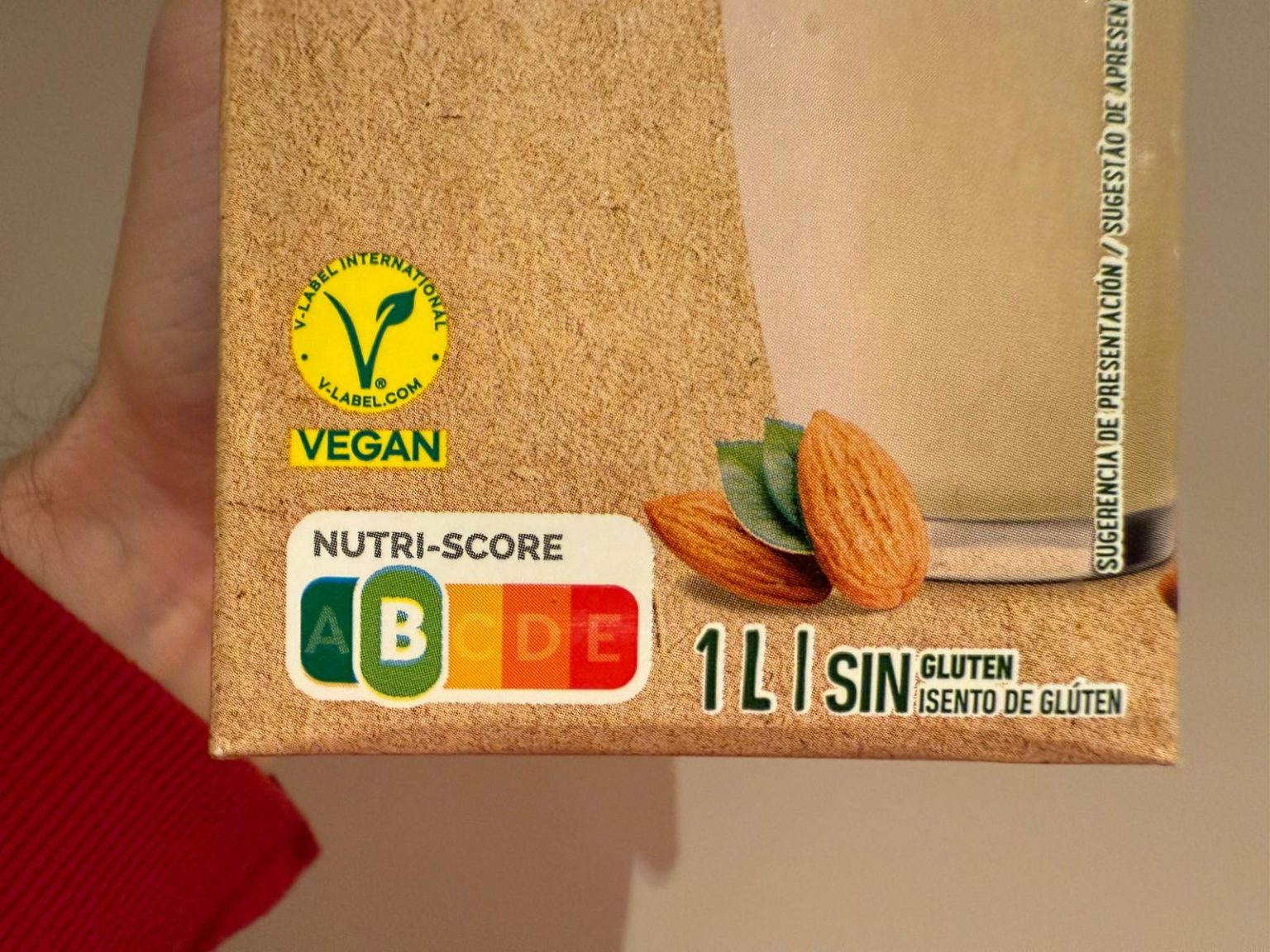

A Spanish study has found Europe’s Nutri-Score labels fail to reflect the true nutritional quality of cocoa products, adding fresh weight to growing criticism of the system.
The research team, from the University of Granada, concluded that Nutri-Score does not capture the nutritional and metabolic complexity of soluble cocoa products sold in Spain, meaning consumers may be misled about which options are actually healthier.
The study analysed 54 soluble cocoa products from 19 different brands, all carrying Nutri-Score ratings ranging from A to D.
It is the first international study to apply non-targeted metabolomics – a cutting-edge technique that examines the full chemical profile of foods – to evaluate a nutritional labelling system.
Researchers found no clear relationship between a product’s Nutri-Score rating and its real nutritional composition, particularly when it came to bioactive compounds known to have positive health effects.
The analysis showed that Nutri-Score classifications are driven largely by sugar, saturated fat, salt and calorie content.
According to Marta Palma, from the University of Granada’s Department of Nutrition and Food Science, this approach overlooks key cocoa-specific compounds, including phenolic compounds, bioactive peptides and antioxidants, which are linked to health benefits.
As a result, products with higher cocoa content and richer bioactive profiles – and therefore potentially healthier – are often penalised with poorer ratings (C or D).
Meanwhile, highly processed products containing sweeteners or thickeners can receive top Nutri-Score grades.
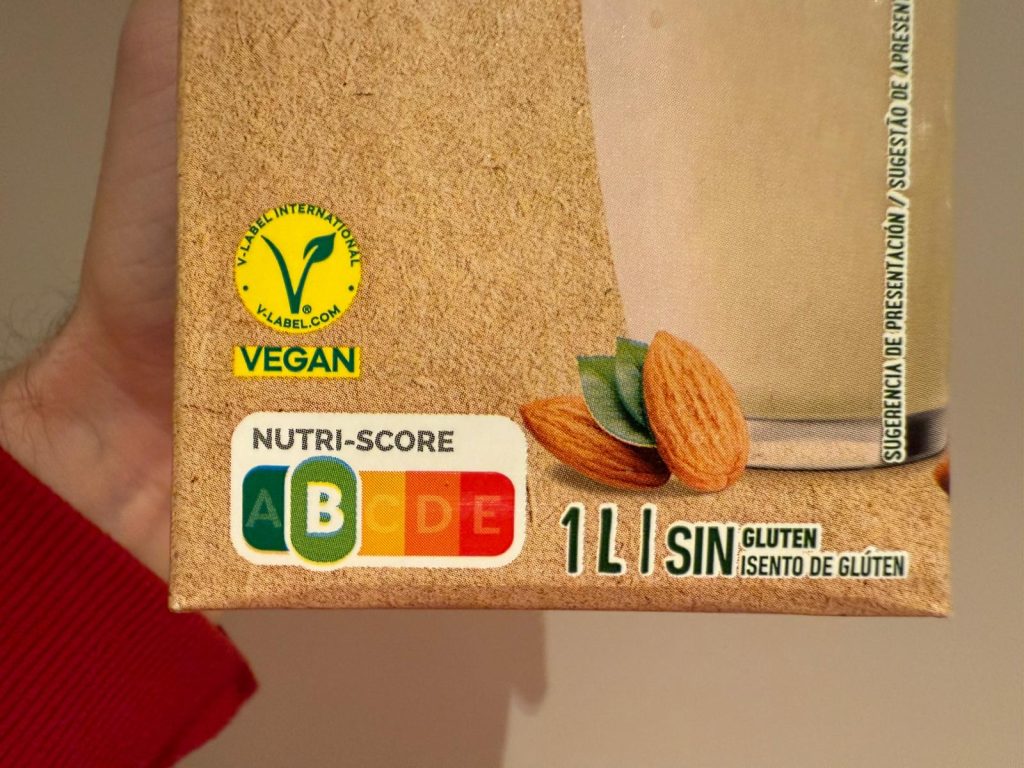
In some cases, cocoa drinks labelled ‘no added sugar’, despite being heavily processed and containing numerous additives, scored better than 100% pure cocoa products.
Statistical analysis showed no clear clustering of products by Nutri-Score category, underlining what the researchers describe as the system’s limited ability to distinguish the true metabolic profile of soluble cocoa products.
The findings highlight the shortcomings of current front-of-pack labelling systems and point to the need for more sophisticated tools, such as metabolomic analysis, to give consumers a more accurate picture of nutritional quality.
Professor Celia Rodriguez, also from the University of Granada, said the research shows Nutri-Score fails to account for the complexity of foods rich in bioactive compounds, such as cocoa, which can lead to misleading interpretations.
Read more Andalucia news at the Spanish Eye.