
The Junta de Andalucia has announced a sweeping plan to overhaul its cancer screening programmes for bowel and cervical cancer.
The vow is backed by an investment of over €100 million and the recruitment of 705 additional healthcare staff.
The move comes just a week after controversy surrounding breast cancer screenings and is aimed at building a faster, clearer, and more effective early detection system.
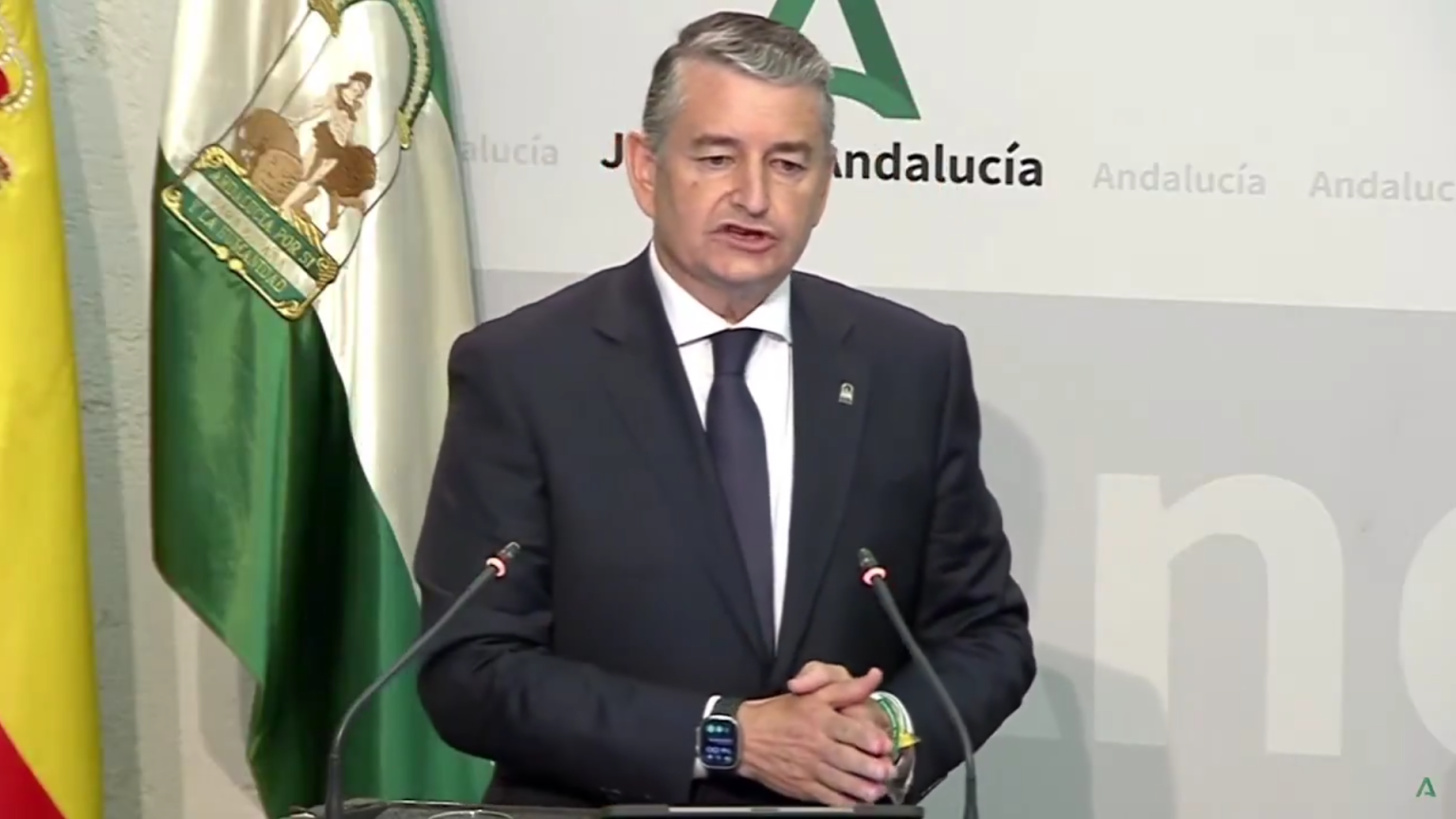
Antonio Sanz, the region’s newly appointed Minister for Health, outlined the plan, describing it as broad in scope and designed to meet four main goals.
These consist of strengthening the roll-out of screening programmes across the region, ensuring more personalised, understandable patient communication and ongoing support, increasing staffing, infrastructure and diagnostic capacity and accelerating the digital transformation of healthcare systems to improve tracking and coordination.
The initiative is structured around four strategic pillars – clinical improvement and coordination, digitalisation, technological innovation, and infrastructure modernisation – all aimed at reducing wait times, improving test traceability, and providing more responsive and patient-friendly care.
Sanz emphasised that this is not a stopgap measure, telling a press conference: ‘It’s not a one-off plan, it’s a permanent shift in how the public health system operates.’
This latest package builds on last week’s €12 million initiative to improve breast cancer care, which added 119 healthcare professionals.
The expanded programme includes €89 million in additional funding and 586 new roles, covering admin staff, IT specialists and medical personnel in gastroenterology, anaesthesiology and gynaecology.
Altogether, the full plan represents a commitment of over €101 million and 705 new hires to enhance cancer screening in the region.
One of the plan’s key objectives is to improve how citizens in screening groups are informed and supported.
Invitation letters will be redesigned to be clearer and more engaging, with the aim of encouraging participation.
Healthcare professionals will also receive reminders about the importance of proactive communication throughout the screening process.
‘We want to ensure up-to-date, precise information on each patient’s status, from the moment they receive an invitation to the point of diagnosis,’ Sanz said, adding that the goal is to foster trust through a more human, transparent and participatory approach.
Smart automation and AI integration
A major feature of the plan is the introduction of Intelligent Process Automation (IPA), which will streamline the entire screening process – from identifying eligible individuals to delivering diagnostic results.
Funded with €10.4 million in European funds, the system is expected to be fully operational by November 2026.
Massive workforce expansion and adjusted rates
The plan also includes a major boost in both clinical and administrative staff. Primary care centres will gain 68 new administrative staff and 70 specialist nurses in gynaecology and obstetrics to speed up cervical screening services.
In hospitals, 178 new consultant roles will be created alongside 64 endoscopy nurses, 64 pathology technicians, 32 nursing assistants, and 64 admin assistants.
To further boost capacity, the government will expand ‘autoconcierto’, a system allowing teams to take on additional work voluntarily, especially in digestive endoscopy services.
Compensation will be adjusted to better reflect the complexity and time demands of procedures. Rates for services carried out on non-working days will also rise by 10% to encourage participation.
Digital diagnostics and modernised facilities
Minister Sanz highlighted the region’s firm commitment to digital and technological upgrades.
Starting in the second half of 2026, Andalucia will begin digitising pathology diagnostics, with full rollout in key hospitals by early 2027.
The €30 million investment will also fund the recruitment of 46 IT professionals (€1.7 million) and the integration of artificial intelligence tools to support diagnosis.
At the same time, the pathology departments at the Virgen de la Victoria and Antequera hospitals in Málaga, and Reina Sofía in Córdoba, will undergo major renovations and expansion.