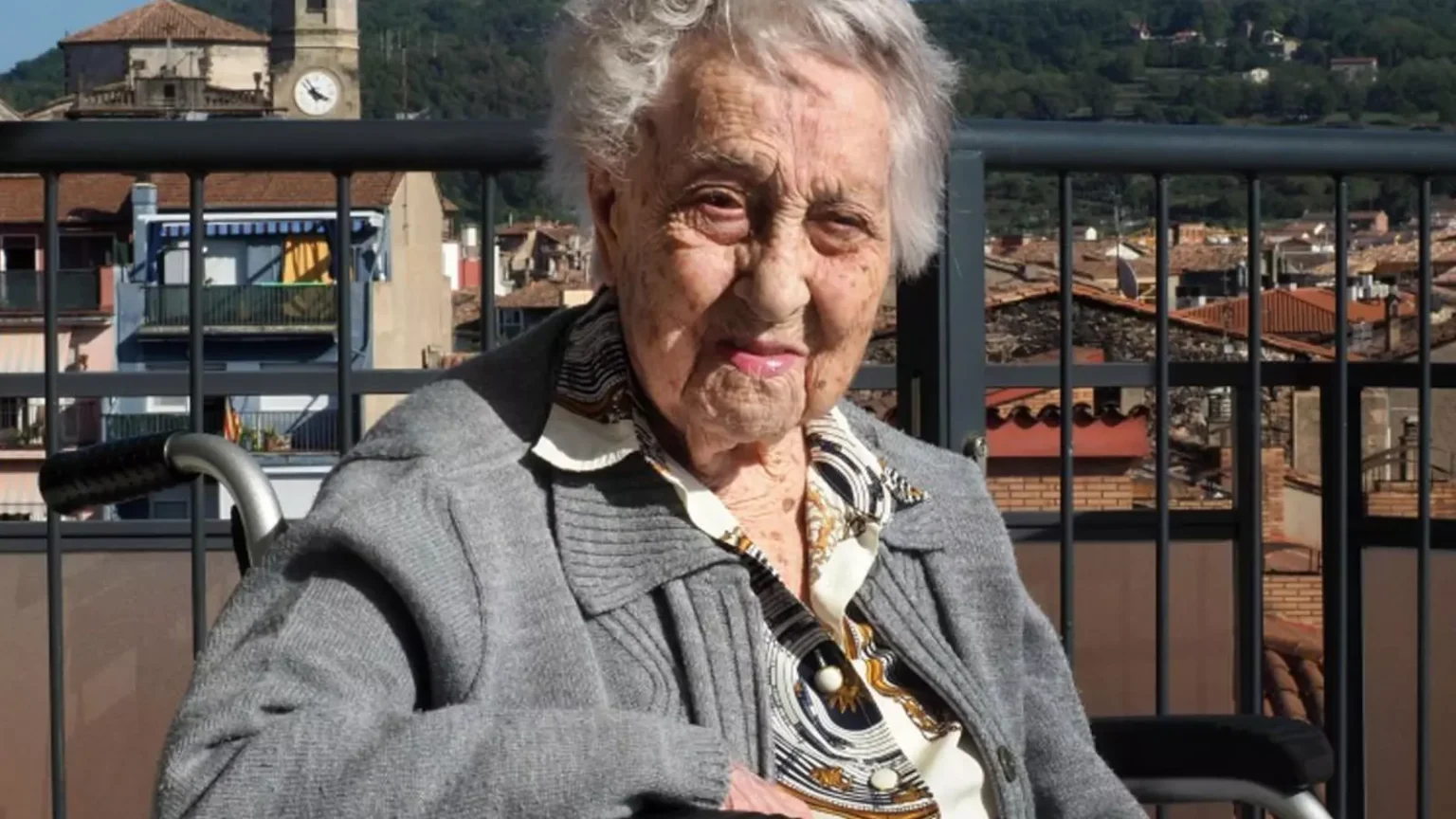

Scientists in Spain believe they may have uncovered clues as to how Spain’s oldest person in the world lived to be 117.
The answer may lie in her gut and, remarkably, in a Catalan yoghurt she ate daily.
In a groundbreaking study, researchers from the Josep Carreras Institute and the University of Barcelona analysed biological samples taken from Maria Branyas shortly before her death in August 2024.
Led by renowned physician Dr Manel Esteller, the team found that her immune system remained unusually robust, and her gut microbiome showed the characteristics of someone decades younger.
Her biological age, they concluded, was significantly lower than her chronological one, a key indicator that her body was ageing more slowly than average.
A microbiome years ahead of its time
Branyas’ gut bacteria stood out for its diversity and abundance of anti-inflammatory strains, typically linked to stronger immunity and reduced risk of age-related diseases.
This bacterial profile is rarely found in the elderly and even less so in someone approaching 120.
The study also linked her exceptional health to daily habits: no alcohol, no tobacco, a Mediterranean diet – and one surprising detail. Branyas reportedly ate the same Spanish yoghurt every day.
The yoghurt drawing global attention

The yoghurt came from La Fageda, a Catalan dairy brand known locally for its high-quality, fermented products. Researchers believe its specific bacterial strains may have helped maintain Branyas’ youthful microbiome, supporting immune function and digestive health well into old age.
Though no direct causal link has been proven, the findings have already sparked international interest.
According to Silvia Domenech, managing director of La Fageda, the company has received calls from the UK, including people looking to import the product or distribute it abroad.
‘We don’t sell outside Spain,’ she told Cadena SER. ‘But clearly, people are intrigued.’
Domenech credits the yoghurt’s health properties to ‘exceptional milk from well-cared-for cows, a carefully managed fermentation process, and a mix of live cultures that remain active throughout the product’s shelf life.’
A life across centuries
Born in 1907 in San Francisco, Maria Branyas moved to Spain as a child and lived through every major upheaval of the 20th and early 21st centuries: two world wars, the Spanish Civil War, multiple pandemics – including COVID-19, which she survived at age 113 – and the digital revolution.
She shared reflections on ageing and life through her social media accounts, often laced with sharp wit and introspection.
After the death of Japan’s Kane Tanaka in 2022, Branyas was officially recognised as the world’s oldest living person by the Gerontology Research Group. She held the title until her passing in 2024, becoming a global symbol of endurance and human adaptability.
What supercentenarians have in common
While Branyas’ longevity is exceptional, researchers say it fits patterns observed in other supercentenarians – those who live beyond 110. These include plant-based diets, moderate protein intake, lifelong physical activity, low stress levels, and strong social ties.
But the Spanish study adds something new to the equation: evidence that gut health may play a more critical role in ageing than previously believed. Fermented foods, rich in probiotics, could support a healthier microbiome, potentially slowing the ageing process at the cellular level.
Even so, scientists caution against oversimplifying. ‘Genetics remain a major factor,’ said one researcher. ‘The interaction between genes, lifestyle, and environment is complex and highly individual.’
Read more health news at the Spanish Eye.