
Spain’s new law against smoking and vaping in public places is one step closer.
It comes after the Council of Ministers gave the green light to the proposal on Tuesday.
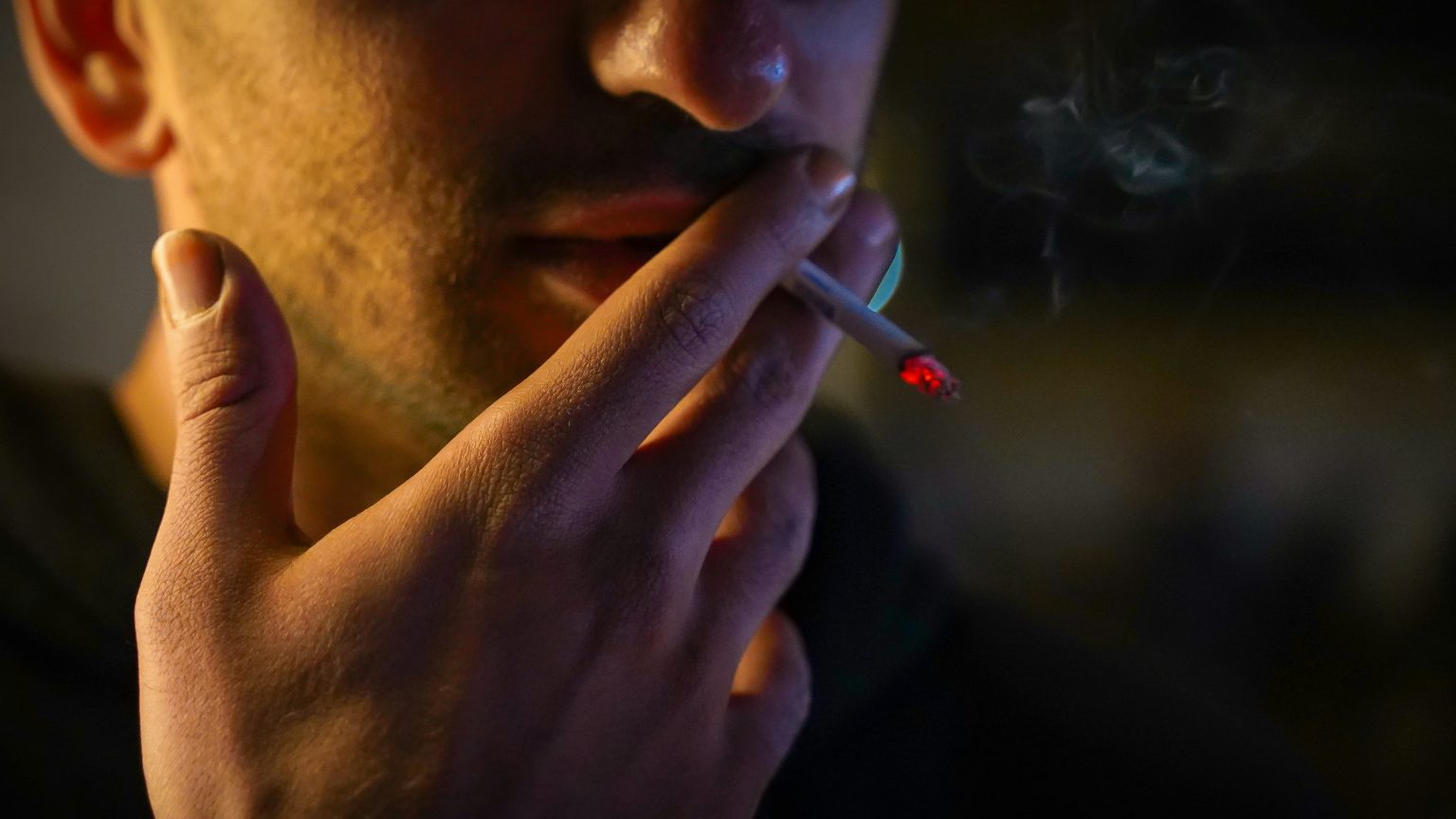
The law will outlaw smoking and vaping on hospitality terraces, at swimming pools, bus shelters, university campuses, and within 15 metres of schools, hospitals, cultural venues, sports centres and playgrounds.
New restrictions
Under the reform, electronic cigarettes, heated tobacco products, herbal vaping items and nicotine pouches will be regulated in the same way as traditional cigarettes.
Single-use vaping devices will also be banned outright.
Although the law stops short of introducing plain packaging – a move long pushed by some health advocates – it marks the most significant shift in Spain’s tobacco policy in years.
A focus on public health
Health Minister Monica García described the reform as a ‘deep overhaul’ of tobacco control laws, calling it a ‘major step in the fight against tobacco addiction.’
She framed the legislation as a public health priority that places ‘the right to breathe clean air and live longer, better lives’ above commercial interests.
The reform is centred on five key areas: expanding smoke-free zones; limiting tobacco and vape advertising; banning disposable devices; launching a new Observatory for Tobacco Prevention; and reinforcing smoking cessation and prevention programmes through Spain’s primary healthcare system.
Once fully implemented, the law will make smoking and vaping illegal in many everyday settings where it is currently tolerated, signalling a clear policy shift toward protecting non-smokers and curbing new tobacco-related trends.
García cited scientific evidence and public demand as the backbone of the reform.
‘We are going to regulate clearly and decisively, guided by the data,’ she said, noting that 140 people die every day in Spain from smoking-related illnesses – more than 50,000 deaths a year.
So when will it become law?
The draft law, approved in its first reading, must now undergo legal review by Spain’s constitutional advisory bodies before returning to the Council of Ministers for final approval. It will then move to Parliament for debate and potential amendments.
When asked about support in Congress, Garcia said she hoped for broad political backing, citing what she described as a clear social consensus in favour of stricter tobacco regulation.
While she was critical of the conservative right for not supporting past social reforms, she expressed hope they would back this health-focused legislation.
The process, if successful, is expected to be completed within months and potentially before the year’s end.
Read more Andalucia news at the Spanish Eye.