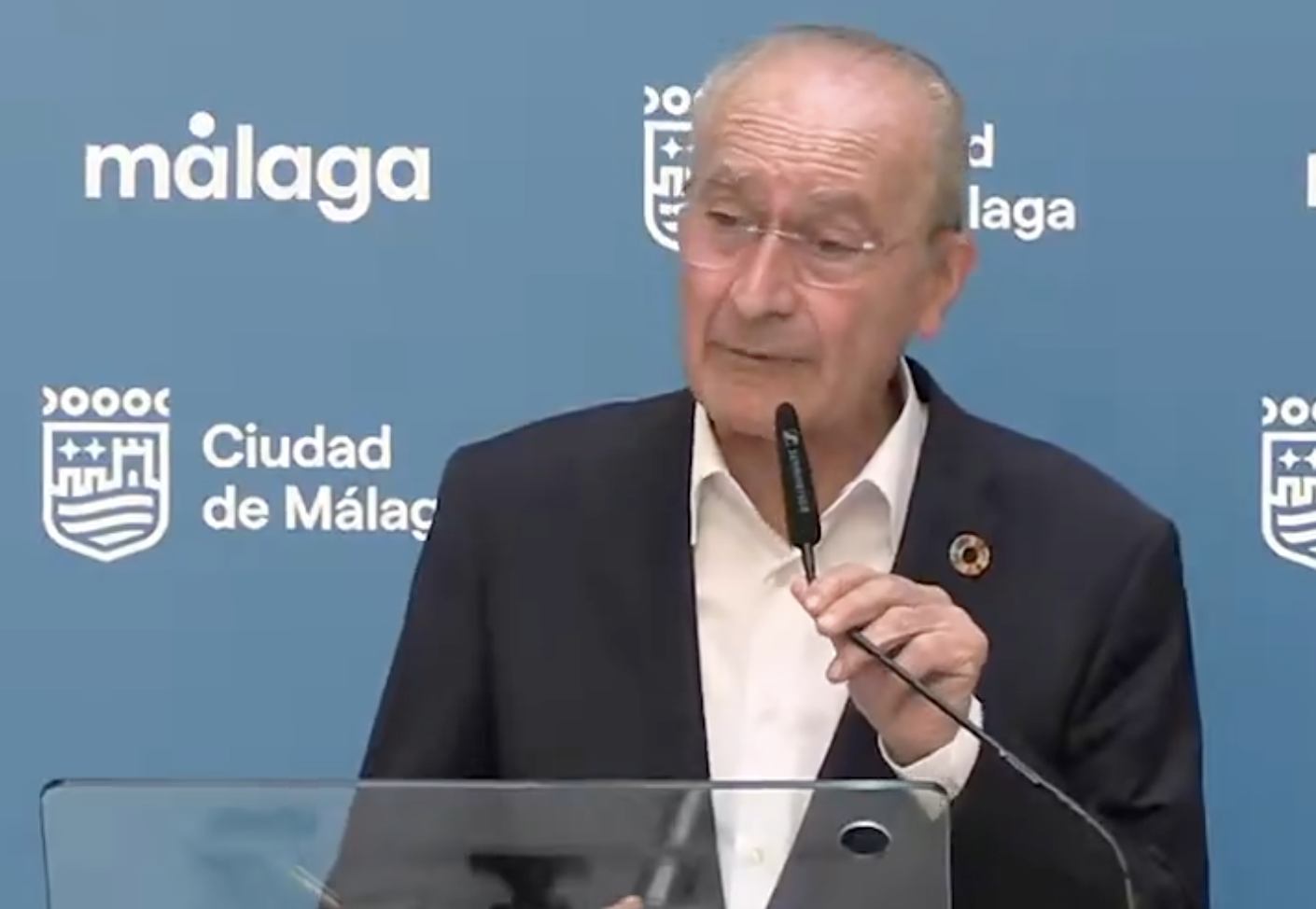

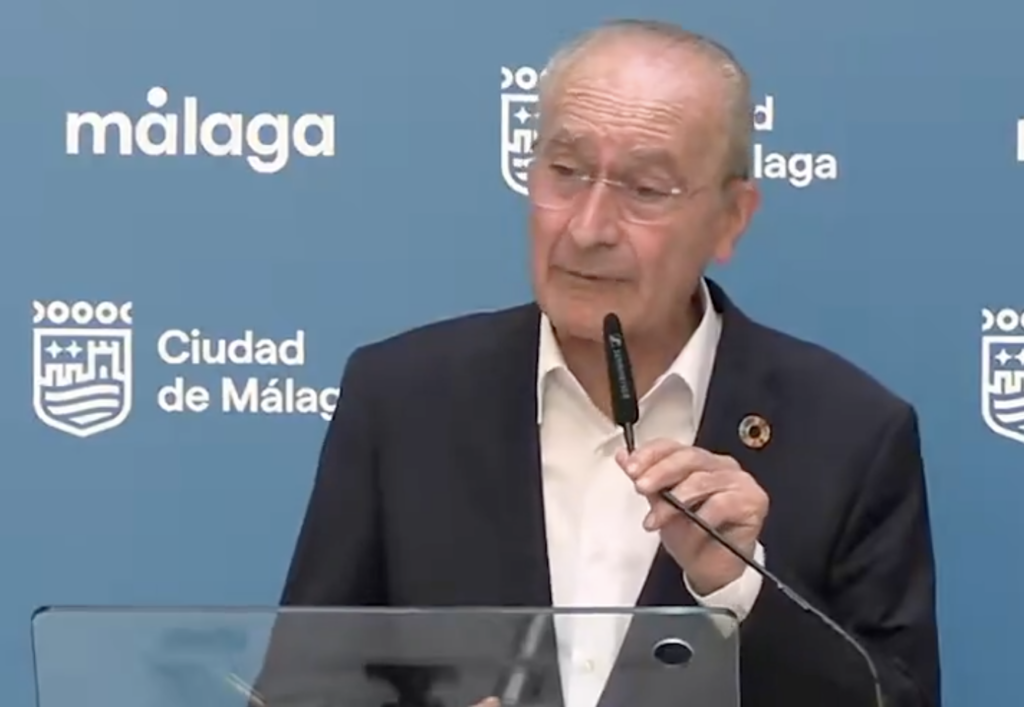
The Guardia Civil should be authorised to shoot at drug-trafficking boats operating off the Andalucian coast, the mayor of Malaga has declared.
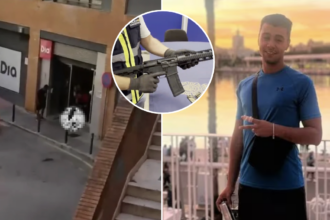
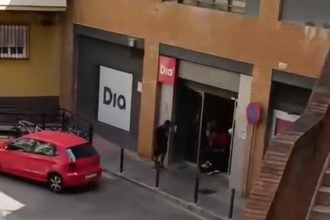
Francisco de la Torre made the controversial proposal after two shootings in Malaga city in just five days left an innocent 20-year-old dead and another man seriously injured.
The Partido Popular mayor stressed that officers should target the vessels, not their occupants.
‘I sincerely believe that the Guardia Civil must be authorised to shoot at the boats, not at the people in them,’ he said.
De la Torre argued that traffickers were using increasingly powerful vessels to bring drugs into southern Spain and called on the government to provide the Guardia Civil with faster and better-equipped patrol boats.
His intervention came as concerns over organised crime spread from traditional hotspots such as Marbella and the Campo de Gibraltar into Malaga’s residential and tourist districts.
Warning over ‘600 drug boats’
De la Torre urged the central government to ‘take the strength of drug trafficking very seriously’.
‘Spain cannot drift towards the situation in some Latin American countries where the narcos are as strong as, or stronger than, the government itself,’ he warned.
The mayor described Andalucia’s extensive coastline as highly vulnerable to drug-smuggling operations.
He referred to reports that as many as 600 high-powered drug boats could be operating in the south, describing them as extraordinarily fast vessels with an enormous capacity for transporting narcotics.
The boats are commonly used to carry cannabis resin from North Africa, while other criminal networks use southern Spain as an entry and distribution point for cocaine arriving from Latin America.
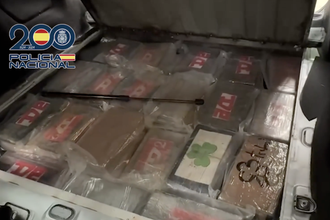
Earlier this month, the Guardia Civil seized 1,124kg of hashish following a night-time operation off Marbella.
Officers detected a drug boat around 13 nautical miles from the coast and later found a van containing 26 bales of hashish. Three people were arrested.
De la Torre said the scale of the maritime trafficking threat should have prompted a much stronger response from the government years ago.
As well as advocating shots at smugglers’ boats, he called for greater scrutiny of money laundering and the financial networks that allow criminal organisations to embed themselves in the Costa del Sol economy.
Not all parties at Malaga City Hall supported the mayor’s call to open fire on drug vessels.
Socialist spokesman Mariano Ruiz Araujo said shooting at boats would ‘solve nothing’ and argued that the response required a much broader strategy.
He also claimed Malaga had ‘played at being Marbella’ by embracing an economic model that attracted large investments and property purchases made without mortgages, potentially creating opportunities for illicit capital.
Left-wing coalition Con Malaga said additional officers were welcome but argued that the authorities must concentrate on tracing the proceeds of organised crime.
Its spokesman Nico Sguiglia called for properly funded specialist teams to ‘follow the money’ into property transactions and other Costa del Sol businesses used to conceal criminal profits.
Vox, meanwhile, said violence was becoming normalised and demanded more officers, equipment and legal tools to confront organised crime.
De la Torre maintained that he had been warning about the spread of drug trafficking from the Campo de Gibraltar towards Malaga for years.
The latest violence, he argued, demonstrated that the criminal networks operating along the coast could no longer be treated as a problem confined to other parts of Andalucia.