
An urbanisation containing 156 detached homes is finally set to move forward in Marbella more than three decades after it was first approved.
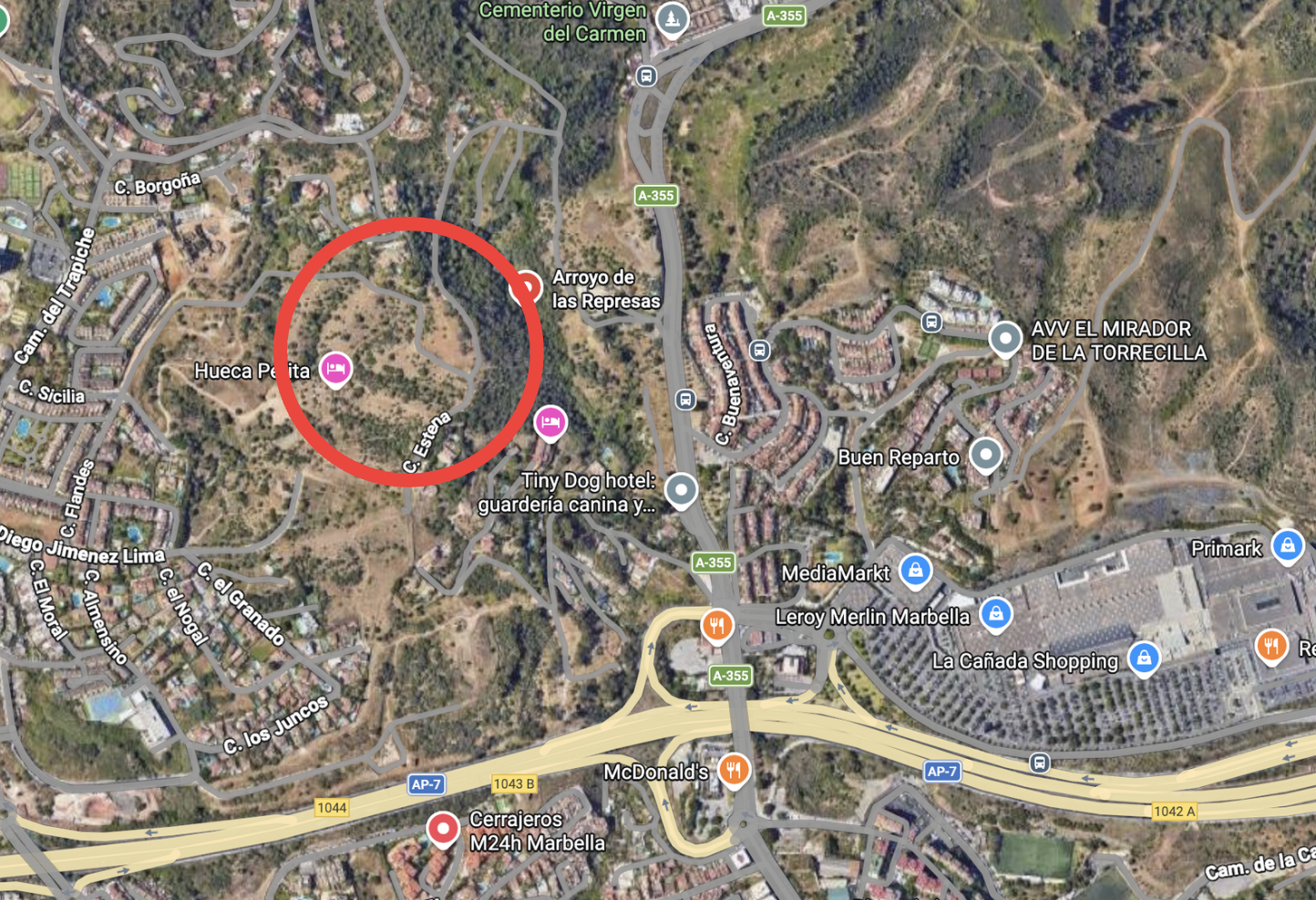
Marbella Town Hall is set to authorise infrastructure works across the URP-MB-2 sector, a 105,000sqm site north of the town centre and close to the La Cañada shopping centre.
The development will include roads, pedestrian areas, green spaces, public facilities and hundreds of parking spaces alongside the new villas.
Around €8million is expected to be invested in preparing the land before construction of the homes can begin.
Although the project’s partial development plan was approved in 1991, the site’s location beside the protected Trapiche del Prado complex has created a lengthy series of heritage and environmental hurdles.
Trapiche del Prado is a former pre-industrial sugar-producing complex which has been listed as an Asset of General Cataloguing since 2007.
Its proximity meant archaeological surveys had to be conducted and additional environmental permissions obtained before development could proceed.
The project has now secured its Unified Environmental Authorisation from the Junta de Andalucia, clearing one of the most important obstacles facing the scheme.
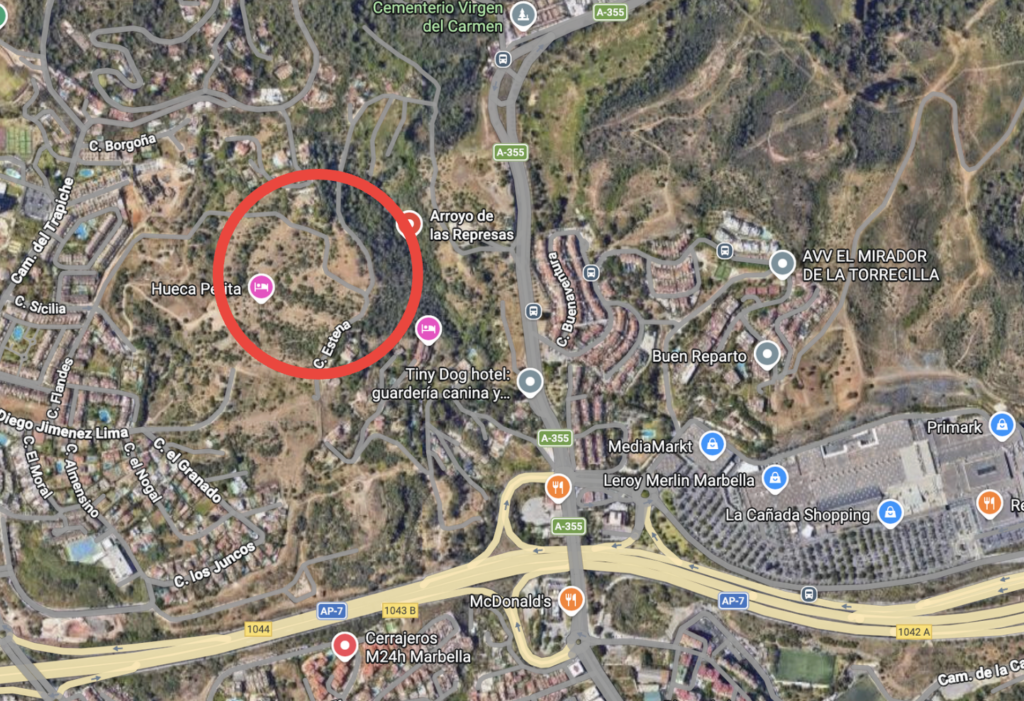
The process of bringing the site forward has lasted more than six years, while the underlying development plan has been waiting for implementation for around 35 years.
Green spaces, school and social facilities
More than 25,000sqm of the neighbourhood will be reserved for outdoor green areas.
A further 44,000sqm will be allocated for public facilities, including land for a school and a separate social-use centre.
The plans also set aside 4,000sqm for a privately operated sports facility.
There will be 251 private parking spaces and another 127 public spaces, four of which will be adapted for motorists with reduced mobility.
Approximately 12,500sqm will be used for streets and pedestrian areas serving future residents.
Preparing the site is expected to be a complex operation because of its elevation and steep terrain.
The urbanisation works will require significant earth movements, retaining walls, paving and new drainage networks.
These interventions form part of the projected €8million infrastructure budget.
The project is one of Marbella’s most significant new residential developments of the past decade, combining low-density detached housing with large areas of greenery and new community facilities.
However, the development will have to be carried out in a way that protects the historic character and archaeological surroundings of Trapiche del Prado.
Town hall approval relates to the urbanisation of the land rather than the immediate completion of all 156 homes, meaning the neighbourhood will still take time to materialise.