
A landlord in Spain has been fined €6,000 for installing surveillance cameras inside the communal areas of a shared rental property – despite tenants signing a contract acknowledging their presence.
The Data Protection Agency (AEPD) ruled that simply inserting a clause into a rental agreement does not make such surveillance lawful.
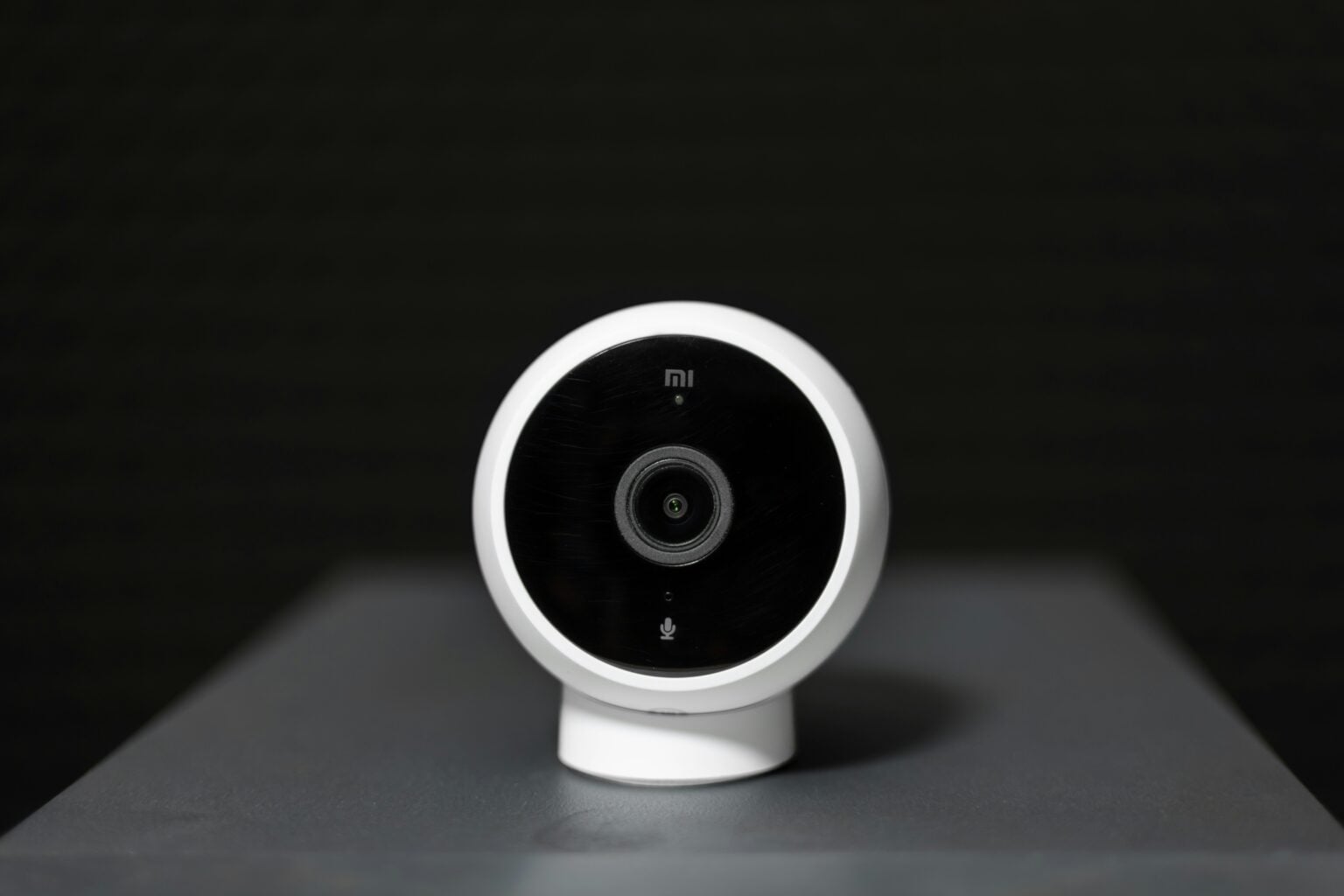
The landmark case involved four cameras installed in the entrance, kitchen, staircase and boiler area of a property rented out by individual rooms.
The owner argued that tenants knew they were being recorded because the cameras were mentioned in both the house rules and the tenth clause of their rental contracts.
Signs warning of the surveillance were also displayed and footage was retained for one month.
But the AEPD found that the arrangement breached data protection rules and represented a serious intrusion into the tenants’ privacy.
The authority has now ordered the landlord to completely remove the surveillance system, as well as pay the €6,000 penalty.
Tenant received messages describing what cameras saw
The investigation began after a complaint from one of the tenants following a change in ownership of the property.
According to the AEPD case file, the tenant claimed that the people accessing the camera footage were not the same people named as landlords in her rental agreement.
She allegedly discovered that third parties were watching the footage after receiving SMS messages from two men describing what they could see on the cameras.
Neither man was the owner of the property.
Signing a contract does not equal consent
The watchdog based its decision partly on Article 6 of the EU’s General Data Protection Regulation (GDPR), which requires a lawful basis for processing personal data.
Video recordings in which individuals can be identified constitute personal data.
The AEPD concluded that the consent supposedly obtained through the tenancy agreement did not meet the legal standard required under European data protection law.
For consent to be valid, it must be freely given, specific, informed and unambiguous.
The agency went as far as describing the relevant contractual provision as abusive.
One of the key issues was the imbalance of power between a landlord and a tenant.
The AEPD concluded that, given the circumstances, accepting surveillance as part of a rental contract could not be regarded as genuinely free consent in the sense required by the GDPR.
In other words, a tenant’s signature on a contract does not automatically give a landlord carte blanche to monitor them inside their home.
Kitchens and entrances can still be private spaces
Crucially for landlords renting properties by the room, the decision also addresses the assumption that communal areas are fundamentally different from bedrooms when it comes to privacy.
The AEPD stressed that the constitutional concept of a home is not determined simply by who owns the property.
What matters is whether it is a space in which people conduct their private lives.
That protection can therefore extend to shared kitchens, entrances and other communal areas inside a rented home.
The agency drew an analogy with hotels, where a space temporarily occupied by a guest becomes an area in which that person has a legitimate expectation of privacy.
The AEPD said such spaces should be protected from the ‘furtive or invasive’ gaze of third parties.
Continuous recording inside the communal areas of a shared home can consequently amount to an interference with residents’ right to privacy.
And signing a tenancy agreement does not remove that fundamental protection.
There was another complication: the cameras did not only record tenants.
They could also capture friends, relatives, delivery drivers and anyone else entering the property, none of whom would necessarily have agreed to the surveillance clause in the tenancy contract.
Cameras had facial recognition and audio
The sophistication of the surveillance system also counted against the landlord.
According to the AEPD, the cameras were equipped with facial recognition and audio capabilities.
The watchdog classified the landlord’s conduct as seriously negligent, noting that surveillance had been installed in spaces where tenants were entitled to privacy and that less intrusive measures could have been used to deal with problems within the shared property.
As well as imposing the €6,000 fine, the AEPD ordered the complete removal of the cameras.
The landlord must provide dated and time-stamped photographs proving that the system has been dismantled.