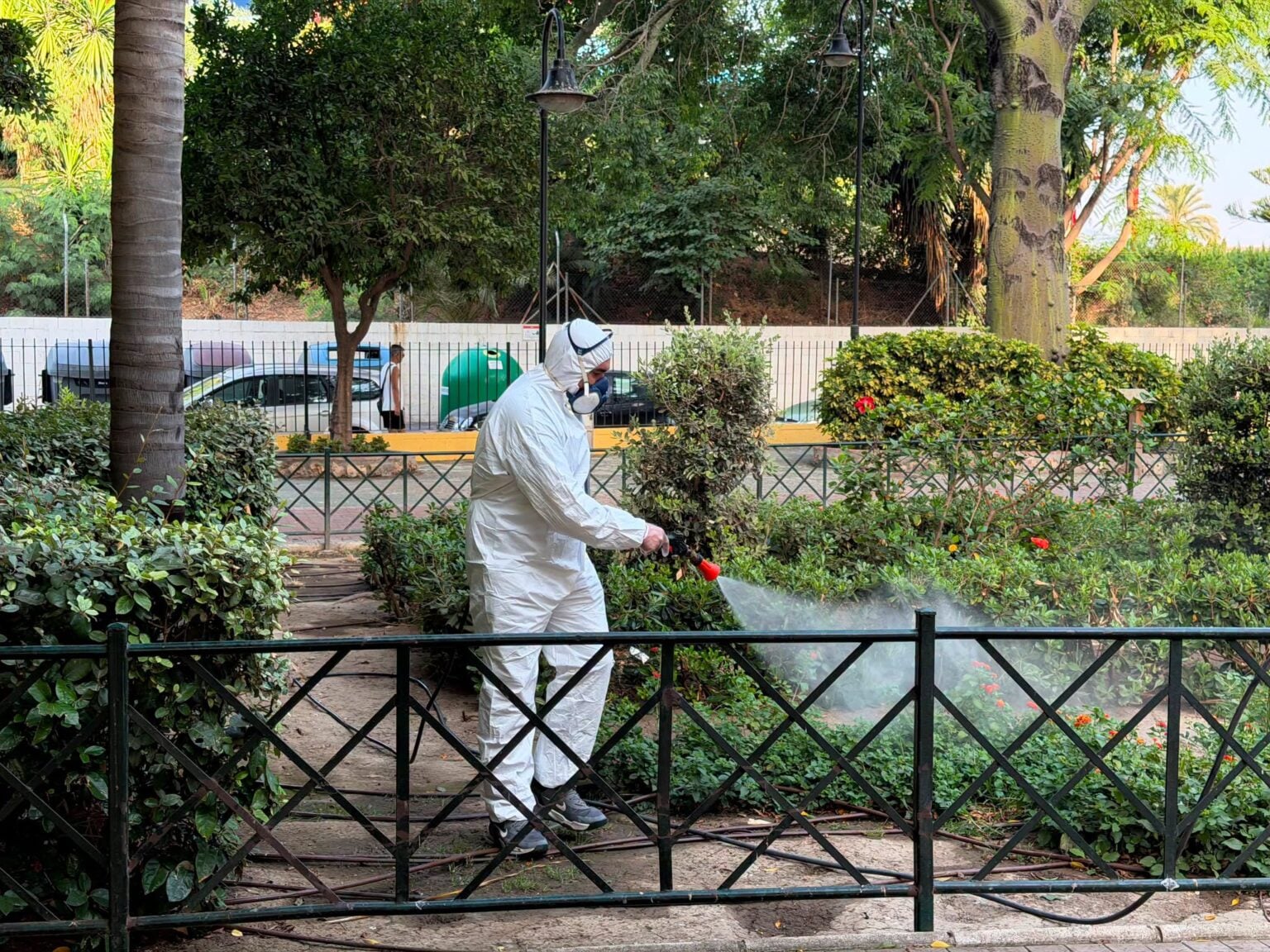

Malaga City Council has stepped up its fight against the West Nile virus after health authorities confirmed the presence of the virus in mosquitoes trapped near the Guadalhorce River.
The positive sample was detected in Campanillas, which has now been placed under a West Nile virus alert until September 3.
However, officials stressed there have been no confirmed cases of the virus in people or animals.
The detection was made through routine surveillance traps operated as part of Andalucia’s mosquito monitoring programme.
Following the discovery, Malaga City Council has activated a new phase of its prevention plan.
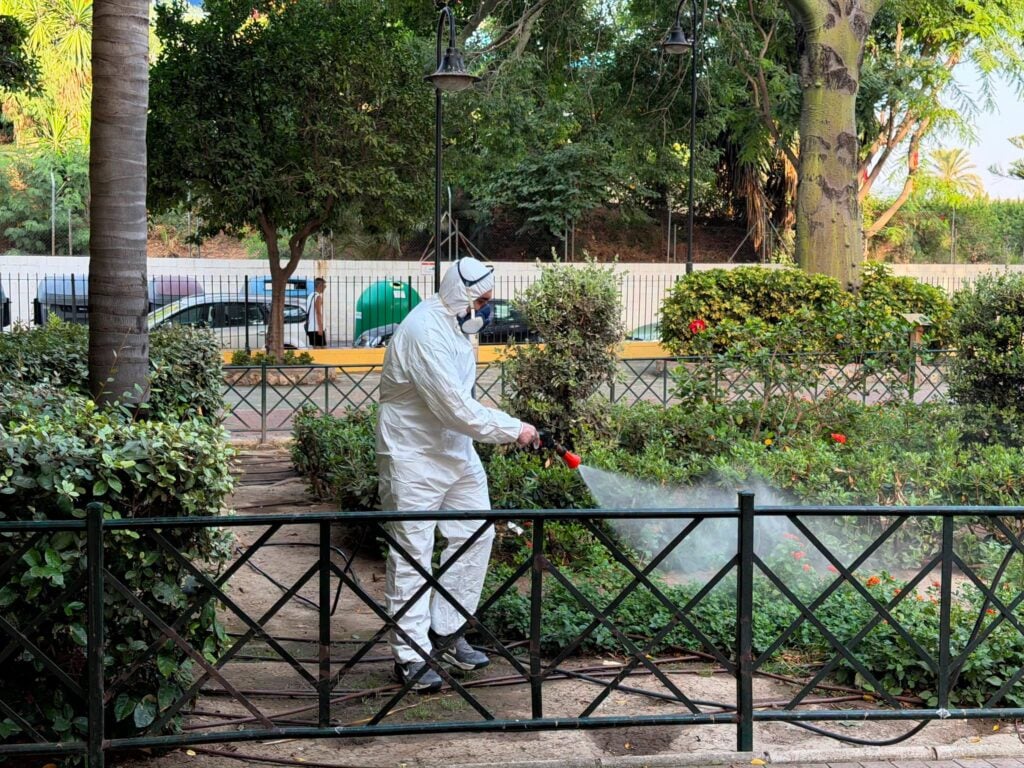
Fumigation will now be intensified in Campanillas, adding to mosquito control work already carried out in El Tarajal, while inspections of wetlands across other parts of the city have also been brought forward as a precaution.
The enhanced measures include additional inspections of stagnant water, the use of biological larvicides, more mosquito traps and aerial spraying around the affected area.
The alert will remain in place for four weeks or until no further circulation of the virus is detected during an equivalent period.
Councillor for Environmental Sustainability Penelope Gomez urged residents to remain calm.
‘It is very important to stress that no cases of transmission to people or animals have been recorded,’ she said.
She added that the council was acting ‘as quickly as possible’ in coordination with the Andalucian government and would keep residents informed as the situation develops.
Malaga is currently classified as a high-risk municipality for West Nile virus by the Junta de Andalucia because it has been detected in the area during the past three years.
Positive mosquito samples were also recorded near the Guadalhorce in September and October 2025.
The city has operated a dedicated mosquito surveillance programme for the past six years, with weekly sampling at eight locations and inspections of a further 24 sites where stagnant water could allow mosquito larvae to develop.
The Malaga Medical Association has also called on residents to remain vigilant after the detection of infected Culex mosquitoes, the species responsible for transmitting the virus.
Doctors emphasised that around 80% of infections cause no symptoms, while roughly 20% produce a mild flu-like illness.
Only around 1% develop serious neurological complications such as meningitis or encephalitis, with the highest risk affecting people aged over 65, those with weakened immune systems and patients with chronic illnesses.
Residents are advised to use approved insect repellents, particularly at dawn and dusk, wear long sleeves and trousers, fit mosquito screens where possible, and remove standing water from gardens, buckets, plant pots and other containers where mosquitoes can breed.
Anyone who develops a fever alongside severe headache, confusion, neck stiffness, muscle weakness or other neurological symptoms after being bitten by mosquitoes is urged to seek medical attention promptly.
Read more Andalucia news at the Spanish Eye.