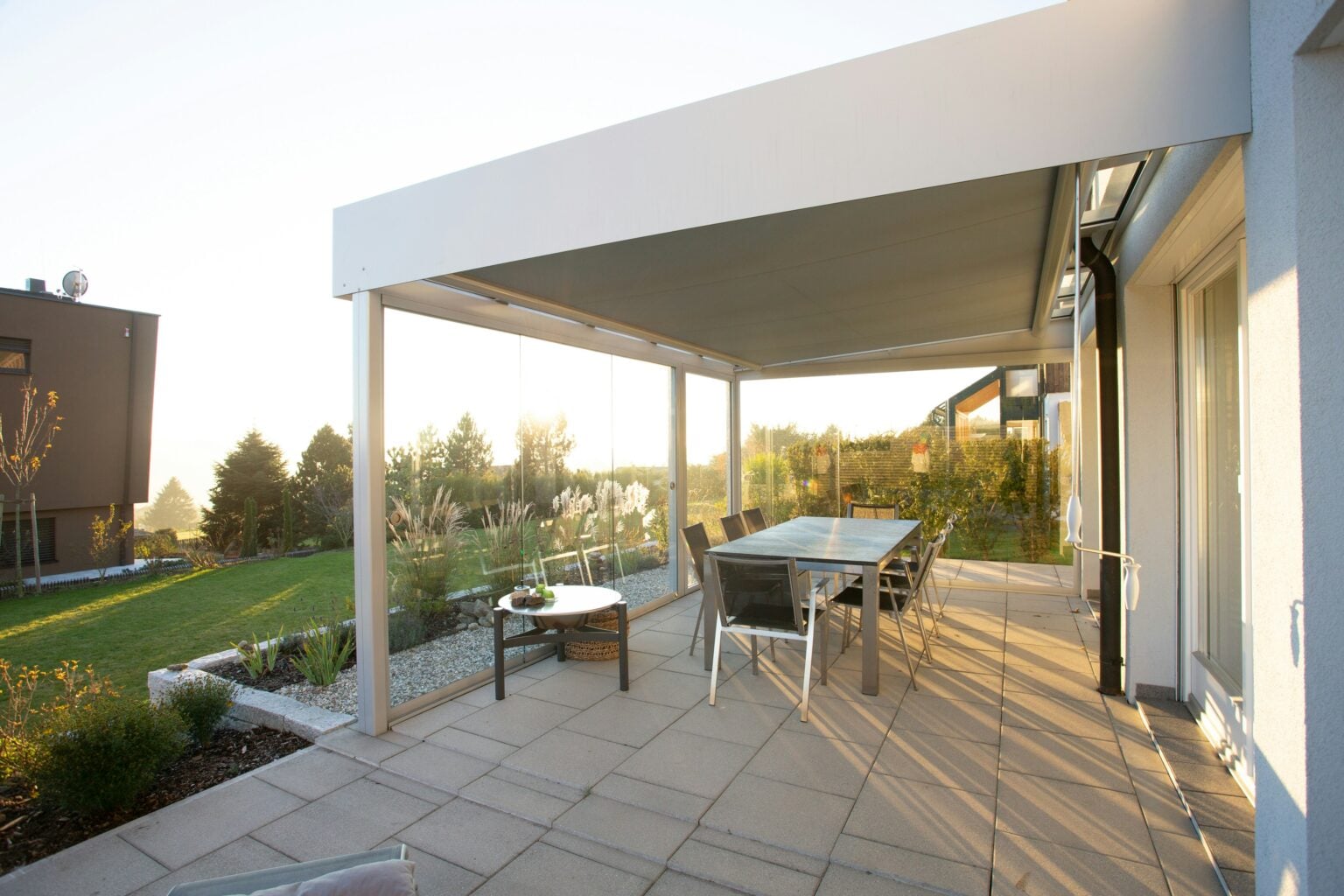

Adding a pergola or awning to your terrace may seem like a simple home improvement, but in Spain it could land you in legal trouble.
Many homeowners assume they can do what they like with a private terrace.
However, if the structure alters the building’s exterior, is attached to communal elements or changes the appearance of the façade, Spanish law may require approval from both your neighbours and the local council.
Under Spain’s Horizontal Property Law and Article 396 of the Civil Code, a building’s façade and structural elements are considered communal property, even if they surround a privately owned terrace.
That means installing a pergola is not always a decision the homeowner can make alone.
Many communities of owners also have their own rules governing the appearance of terraces, including the size, colour and design of awnings, pergolas and other external structures to ensure the building maintains a uniform appearance.
When do you need permission?
If the pergola is simply a freestanding structure that does not affect communal elements or alter the building’s appearance, permission may not always be required.
However, if it is fixed to the façade, anchored to shared parts of the building or changes the external appearance of the property, you will normally need to consult your community of owners first.
Depending on the nature of the work, the proposal may also need to be approved at a residents’ meeting.
Obtaining permission beforehand can help avoid costly disputes later.
What happens if you install one anyway?
While your community of owners cannot issue administrative fines itself, it can take legal action if it believes the installation breaches the law or community rules.
If a court rules against the homeowner, they could be ordered to remove the pergola at their own expense and restore the building to its original condition.
You may also need council approval
Community approval is only one part of the process.
Many Spanish municipalities also require planning permission, a declaration of responsibility or another form of urban planning authorisation before a pergola can be installed.
Requirements vary depending on the town or city, with stricter rules often applying in historic centres, protected buildings and conservation areas.
According to Spanish reports, carrying out work without the necessary municipal authorisation can result in administrative fines ranging from around €600 to €30,000 or more, depending on the seriousness of the breach and local planning regulations.
In some cases, councils may also order the structure to be removed if it cannot be legalised.