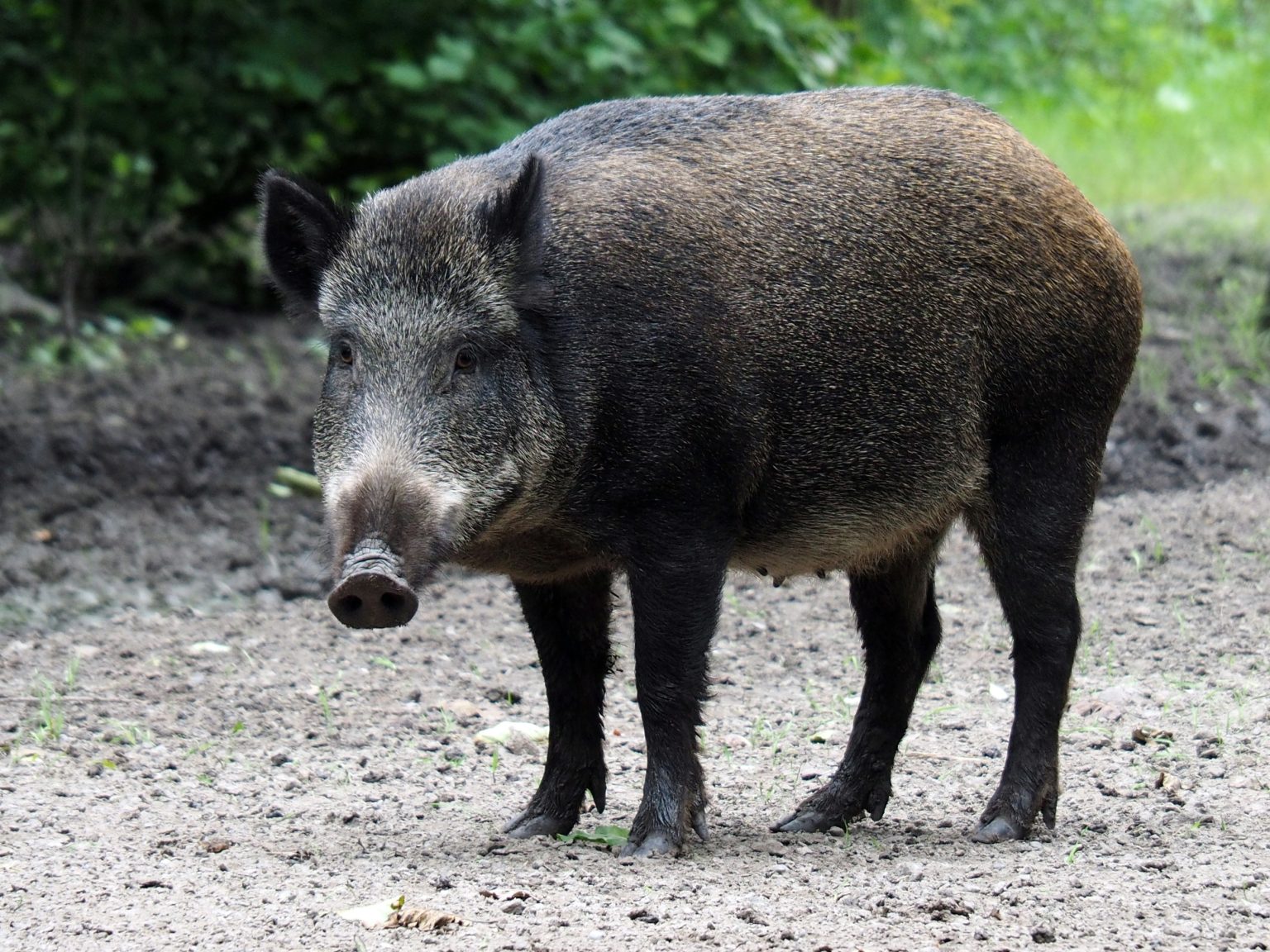

More than 80% of the wild boars and feral pigs wandering through towns and cities on the Costa del Sol are carrying diseases that can be passed on to humans, new research has found.
An epidemiological study, carried out by the One Health Chair of the Malaga College of Veterinarians and the University of Malaga (UMA), analysed 80 animals captured in Marbella, Malaga, Fuengirola and Benahavis.
After conducting more than 2,400 laboratory tests, researchers found that 92.5% of the animals were infected with, or had antibodies against, at least one disease-causing pathogen.
More than 86% tested positive for one or more zoonotic diseases, which are illnesses that can spread from animals to humans.
The findings suggest a growing public health risk as wild boars become increasingly common in urban parks, residential areas and suburban neighbourhoods across the Costa del Sol.
Almost eight in ten wild boars (78.8%) were carrying two or more pathogens at the same time, with every infected animal tested in Benahavis and Fuengirola found to have multiple infections.
Among the most common diseases detected were:
- Hepatitis E: found in 57.1% of animals
- Blastocystis spp. parasites: 63.1%
- Ascaris suum roundworm: 54.9%
- Brucella bacteria: 32.9%
- Salmonella enterica: 30%
- Escherichia coli O157: 18.5%, a strain linked to severe haemorrhagic colitis in humans.
Researchers said the increasing adaptation of wild boars to urban environments is raising the risk of diseases spreading not only to people, but also to pets and livestock.
There was some positive news as the study found no evidence of devastating livestock diseases such as African swine fever, classical swine fever or swine influenza.
However, scientists stressed that continued monitoring is essential because of the animals’ mobility.
The report urges authorities to introduce permanent disease surveillance under the ‘One Health’ approach, which integrates human, animal and environmental health.
It also recommends reducing wild boars’ access to food waste in urban areas and launching public awareness campaigns warning people against feeding or coming into direct contact with the animals.
Read more Andalucia news at the Spanish Eye.