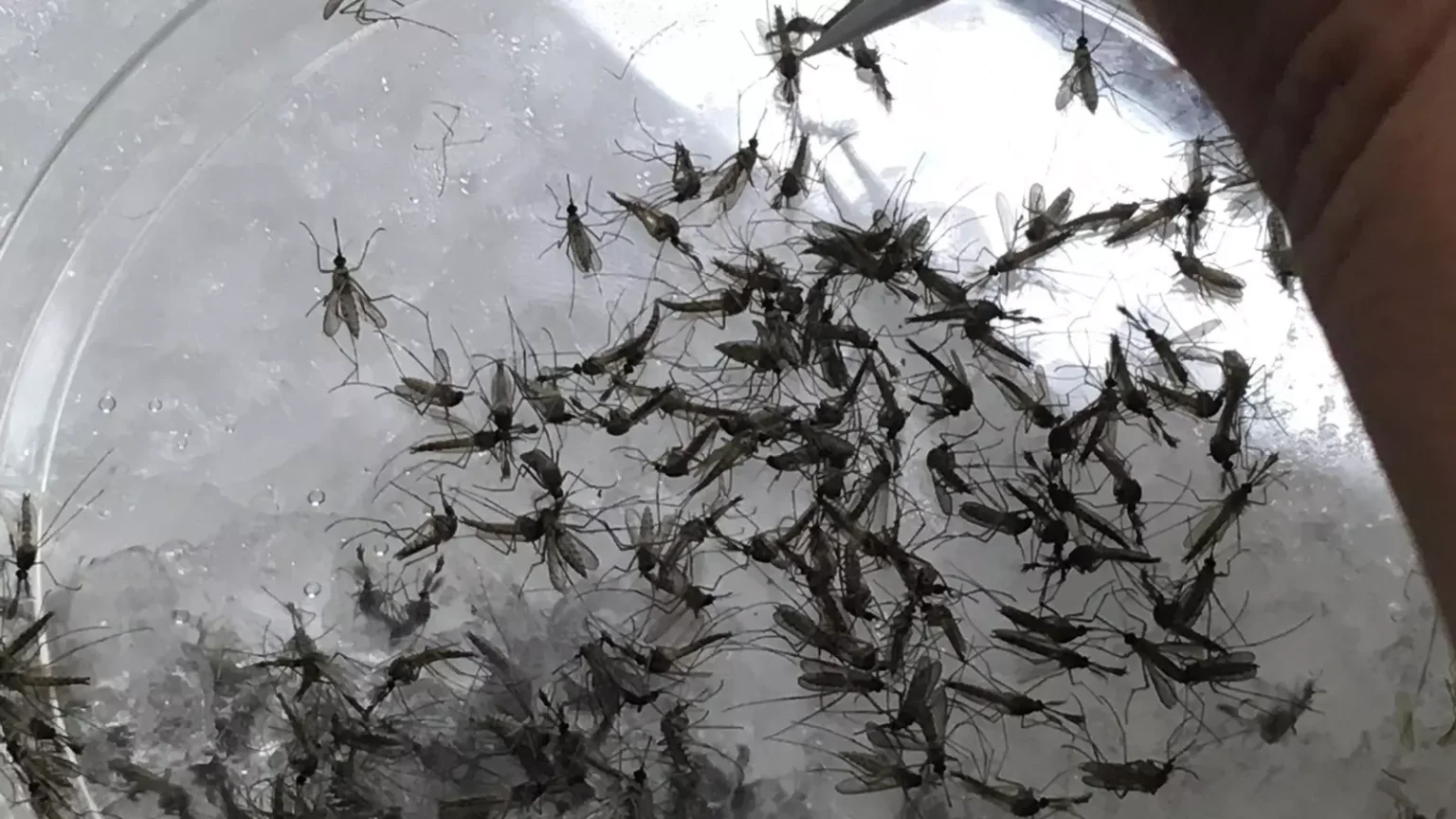

Household insecticides are becoming less effective against mutating tiger mosquitoes, scientists have warned.
Researchers say the problem has been building for years as repeated exposure to the same chemicals allows the insects to evolve in much the same way that bacteria become resistant to antibiotics.
When an insecticide is sprayed, most mosquitoes are killed, but a small number carry genetic mutations that allow them to survive. Those survivors then reproduce, passing their resistance on to future generations.
Over time, a growing proportion of the mosquito population becomes resistant, making the insecticide progressively less effective.
Recent international research published in the journal Frontiers in Tropical Diseases found that some mosquito species have increased production of enzymes capable of breaking down insecticides, particularly pyrethroids, one of the most widely used families of chemicals in both public mosquito control programmes and household products.
Tiger mosquitoes are already adapting
One of the biggest concerns is the Asian tiger mosquito (Aedes albopictus), which has become firmly established across much of Spain and is now a familiar sight during the summer months.
A study by North Carolina State University, which monitored tiger mosquitoes between 2016 and 2024, found the insects gradually developed genetic mutations that made them increasingly resistant to pyrethroid insecticides.
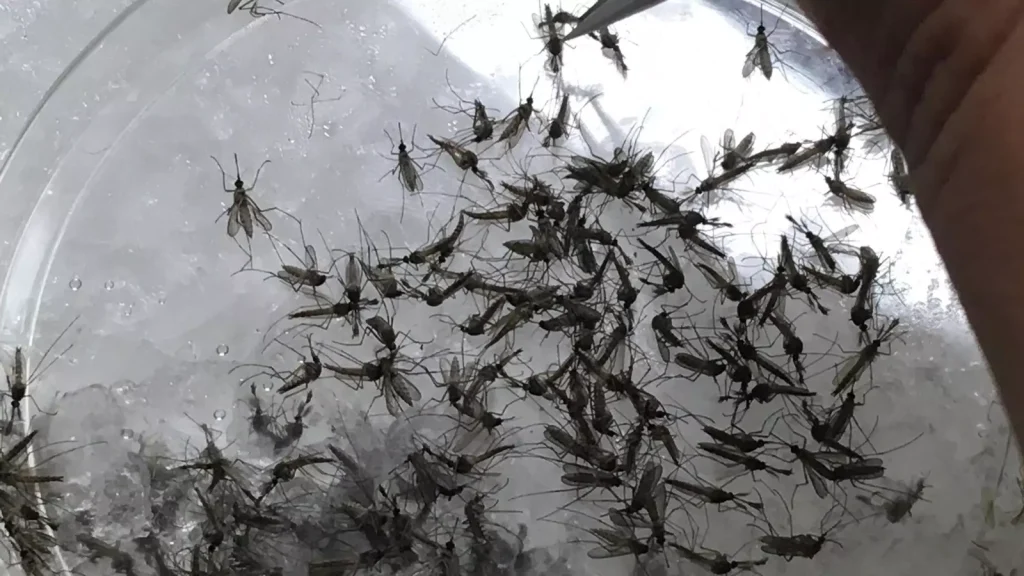
The first resistant mosquitoes were detected in 2018, but the change accelerated rapidly.
By 2024, almost 39% of the mosquitoes analysed carried a genetic mutation linked to insecticide resistance.
Researchers also uncovered that resistance was highest in wealthier neighbourhoods, where insecticides are more commonly used in private gardens and outdoor spaces. Areas where fewer chemicals were used had significantly lower levels of resistance.
‘The truly remarkable aspect of this study is not so much the speed of evolution, but the mosaic pattern we observed,’ said Martha Burford Reiskind, a biologist at North Carolina State University and the study’s lead author.
The findings suggest that repeatedly using the same insecticide may actually encourage the survival and spread of the mosquitoes best able to withstand it.
Experts urge a different approach
Scientists say using more insecticide is not the answer and could actually make the problem worse by increasing the selective pressure that drives resistance.
Instead, they recommend an integrated approach combining several preventive measures, including:
- Removing all sources of stagnant water where mosquitoes breed.
- Emptying plant pot trays and containers.
- Cleaning gutters and drains.
- Checking paddling pools and temporary swimming pools.
- Using window screens and mosquito repellent where necessary.
While insecticides still have an important role in targeted mosquito control programmes, experts say they can no longer be relied upon as the only solution.

Researchers also warn that mosquitoes may be adapting in other ways. Several studies suggest repeated exposure to insecticides can alter their behaviour, allowing some populations to respond differently to environmental cues and making them even harder to control.
With Spain’s warm climate continuing to favour the spread of tiger mosquitoes, scientists say prevention, eliminating breeding sites and using insecticides more strategically will be crucial to limiting their expansion in the years ahead.