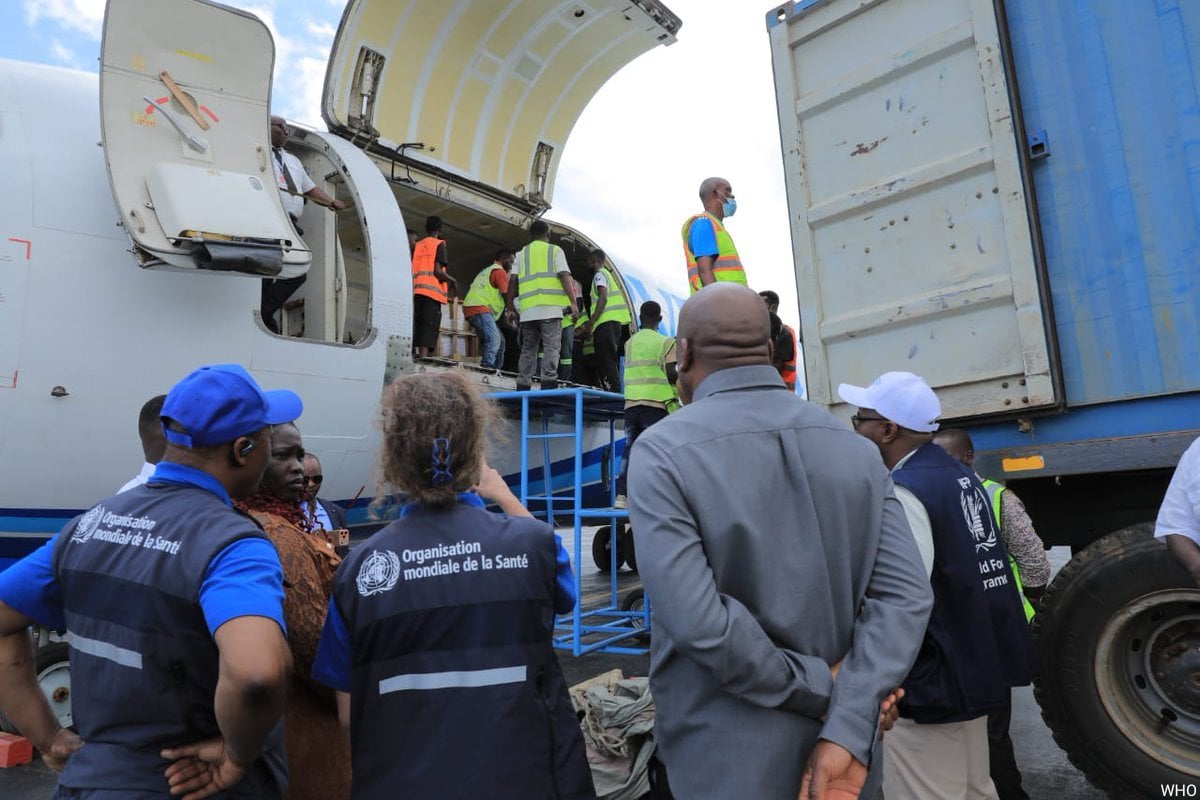

Spain has issued a special health assessment amid the ‘concerning’ Ebola outbreak in Africa.
It comes after the World Health Organisation (WHO) declared the situation in the Democratic Republic of Congo and Uganda as an international public health emergency.
The Spanish Ministry of Health said the risk of Spaniards or residents in Spain becoming infected remains ‘very low’.
Spain’s Directorate-General for Public Health updated its assessment on Monday following the outbreak of the Bundibugyo strain of Ebola.
According to the latest figures cited by Spanish health authorities, 246 suspected cases and 80 deaths had been reported by May 16 in the Congolese province of Ituri across at least three health zones: Bunia, Rwampara and Mongbwalu.
At least four healthcare workers are among the dead.
Most suspected cases involve people aged between 20 and 39, while around 60% are women.
Meanwhile, Uganda has confirmed two Ebola infections in Kampala involving travellers arriving from the Democratic Republic of the Congo, one of whom later died.
Despite the outbreak, Spain’s health ministry insists the danger for travellers and residents remains extremely low.
‘The probability of exposure and infection for Spaniards travelling to or residing in the affected areas is very low,’ the report states.
Officials also stressed that even if imported cases were detected in Spain, the likelihood of secondary transmission would remain ‘very low’ due to the country’s diagnostic capacity and rapid containment procedures.
The ministry said Spain’s specialist high-risk infectious disease hospital network – known as the Uatan Network – is fully equipped to deal with any imported Ebola cases or repatriations.
That includes the highly specialised Virgen del Rocio hospital in Sevilla.
Authorities also highlighted that monitoring procedures are already in place for humanitarian workers and medical personnel returning from outbreak zones.
Although there are currently no direct flights between Spain and the affected countries, the government is advising anyone planning to travel to the region to consult an international vaccination centre before departure.
Health officials also warned that anyone returning from affected areas should monitor their health for 21 days.
Anyone developing symptoms consistent with Ebola has been instructed to isolate immediately and contact emergency services via 112 while informing operators about their recent travel history.
The ministry specifically warned travellers not to go directly to hospital emergency departments or healthcare centres without prior notice.