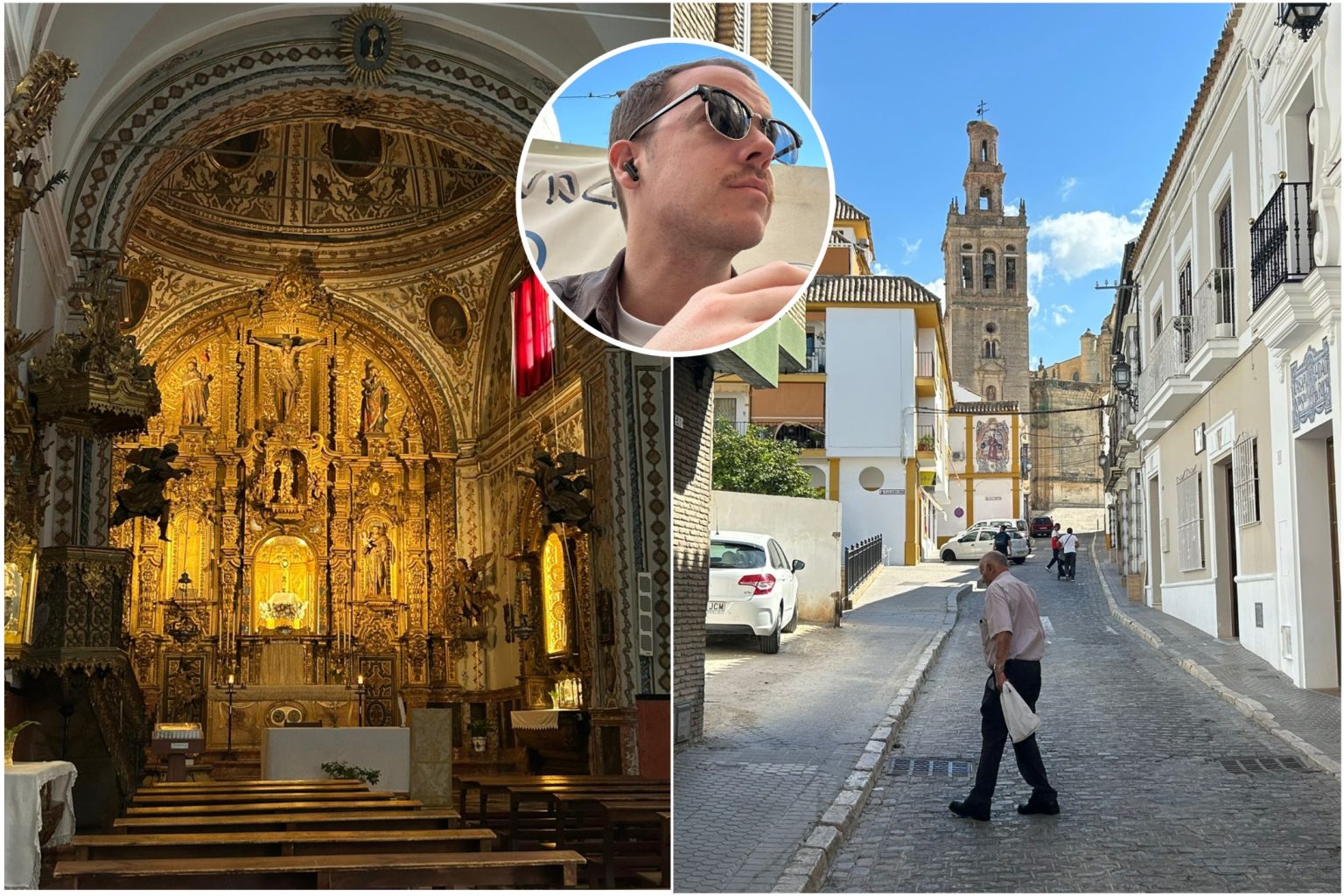

In a travel series called ‘Hidden Andalucia’, the Spanish Eye visits the lesser-known towns of Spain’s southernmost region, advising would-be visitors on what to see and where to eat and stay
Etched into the rolling hills of Sevilla province, Moron de la Frontera is steeped in history.
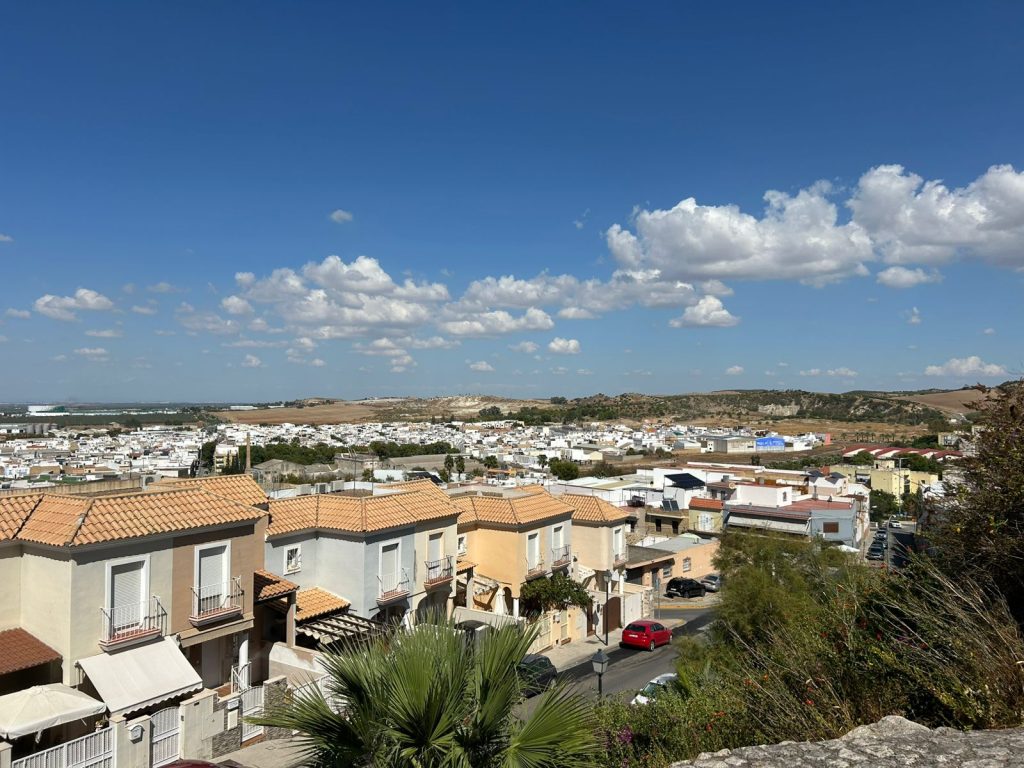
With its whitewashed houses spilling down from a ruined Moorish castle and olive groves stretching to the horizon, this ancient town offers a glimpse into the Andalucian heartland long before the tourists arrived.
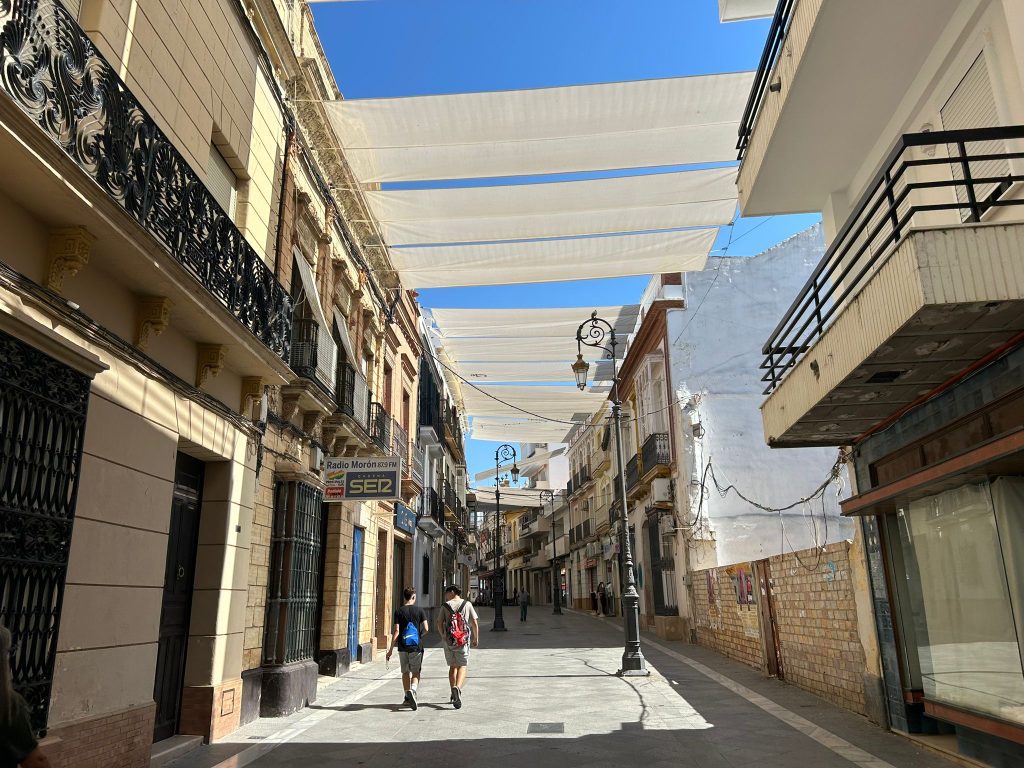
After grabbing a coffee and pan con tomate (there are several cafes dotted along the main streets), I started the day at Plaza del Ayuntamiento, the elegant main square lined with 18th-century façades and shaded cafes.
READ MORE: Explained: The eight provinces of Andalucia and what makes them unique
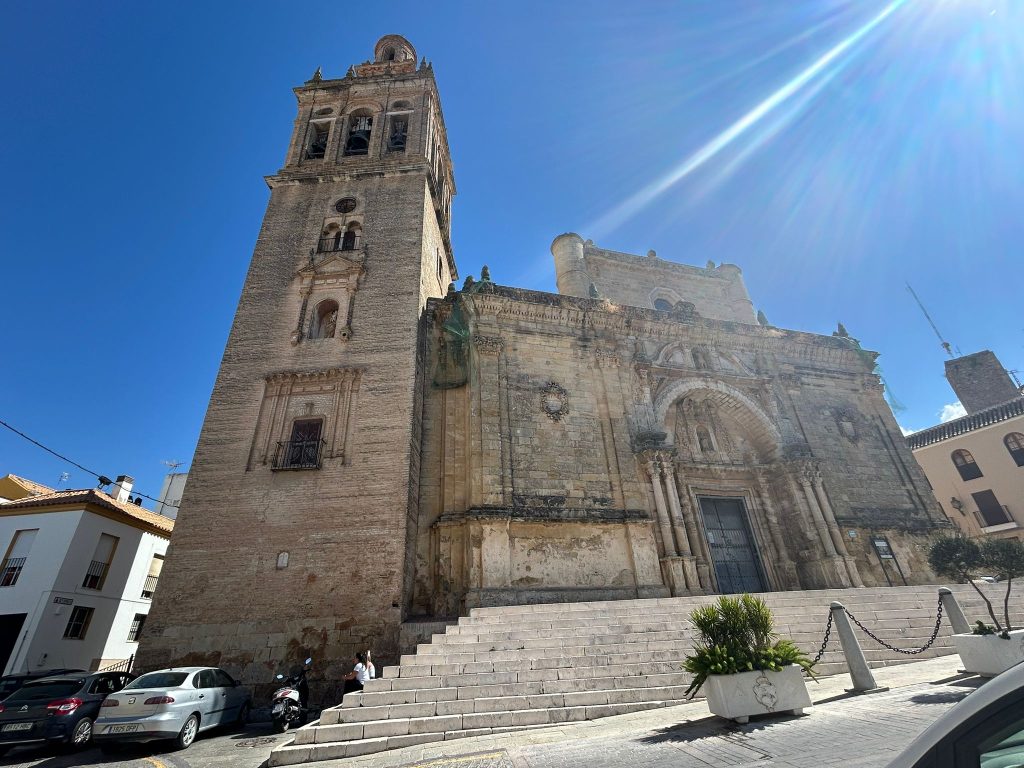
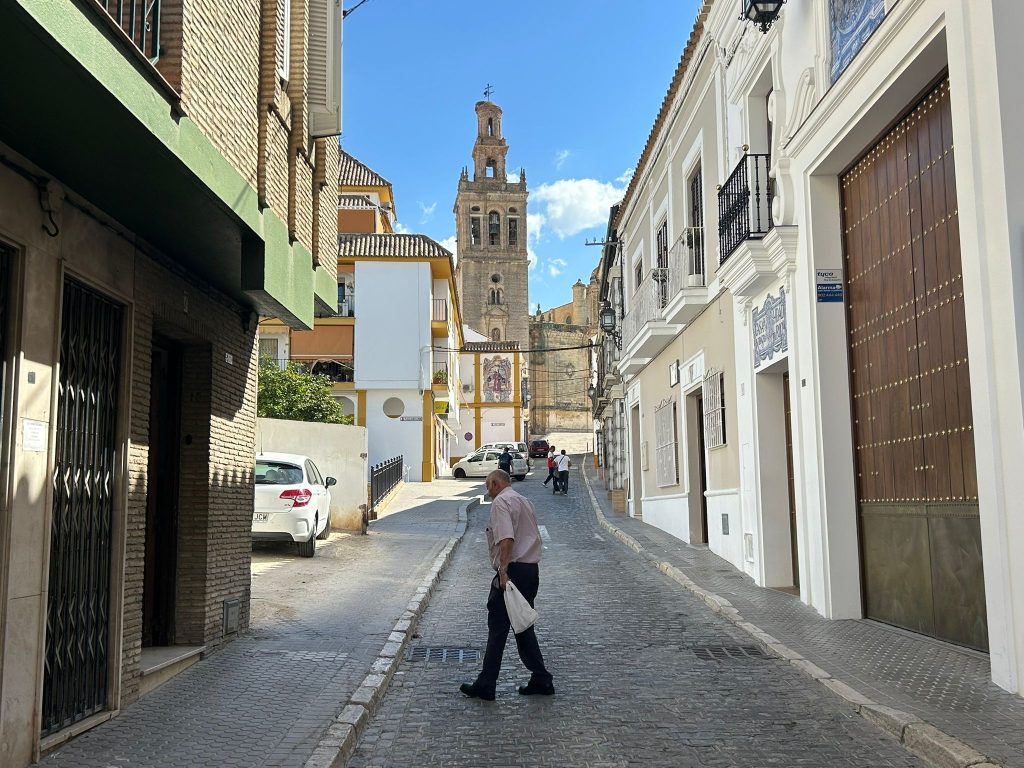
From here, you’ll see the striking tower of San Miguel Church, Moron’s Gothic-Mudejar masterpiece.
Built in the 16th century on the foundations of a former mosque, it symbolises the town’s rebirth after centuries of war on the medieval frontier between Christian and Muslim Spain.
Moron’s very name – derived from the Arabic Mawror – reflects its Moorish heritage.
During the Middle Ages, the town was a strategic fortress guarding the boundary of the Kingdom of Sevilla, constantly contested between Castilian and Nasrid forces.
When the Christian troops under King Ferdinand III seized the town in 1240, it became part of the defensive chain that gave rise to the term de la Frontera – ‘of the frontier’.
To visit the church, come back at around 7pm, when it opens to the public (times will vary depending on the season, but a sign on the door will let you know).
Midday – castles, cockerels and craft
A short climb leads to the Castle of Moron, whose surviving walls date back to the Almohad period.
Though largely in ruins, it still commands one of the most impressive viewpoints in inland Andalucia.
From the ramparts, gaze over a sea of olive trees and white villages shimmering under the sun – the same view soldiers once watched for advancing armies.
The olive oil, produced in the surrounding Sierra de Moron, has been the town’s lifeblood for centuries and still ranks among the finest in Spain.
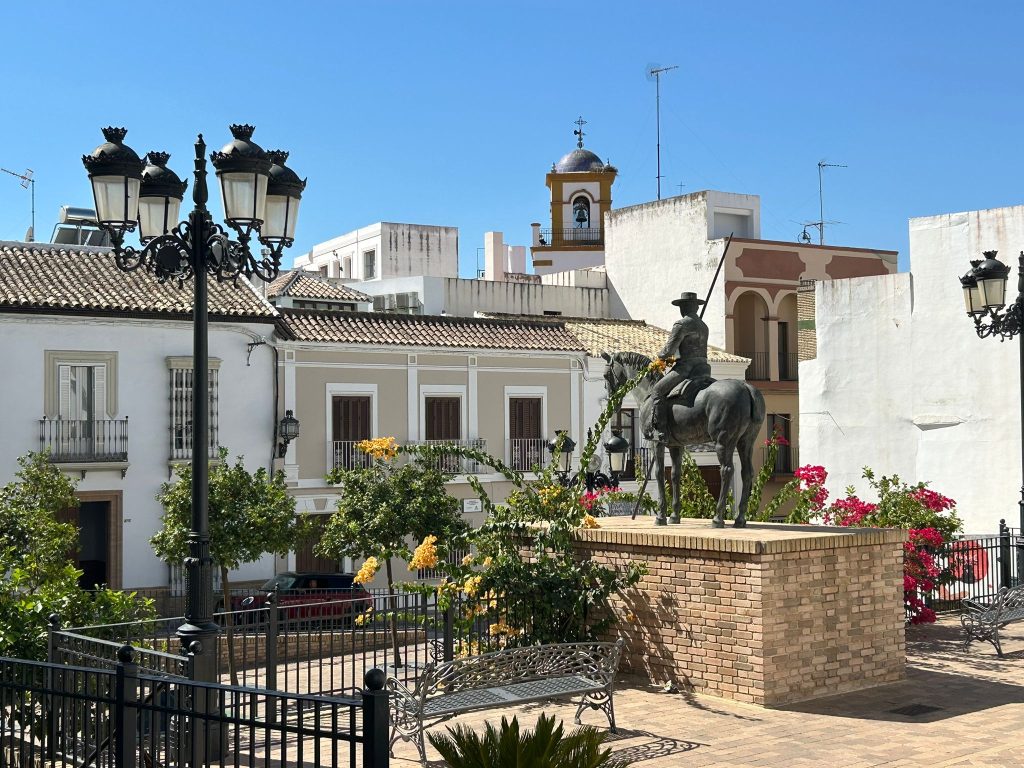
You may see statues celebrating Moron’s beloved symbol – the proud cockerel, or gallo. According to legend, locals earned the nickname gallos for their courage in defending the town.
The emblem endures today in everything from street art to festivals, culminating in the annual Fiesta del Gallo, one of Andalucia’s most colourful winter celebrations.
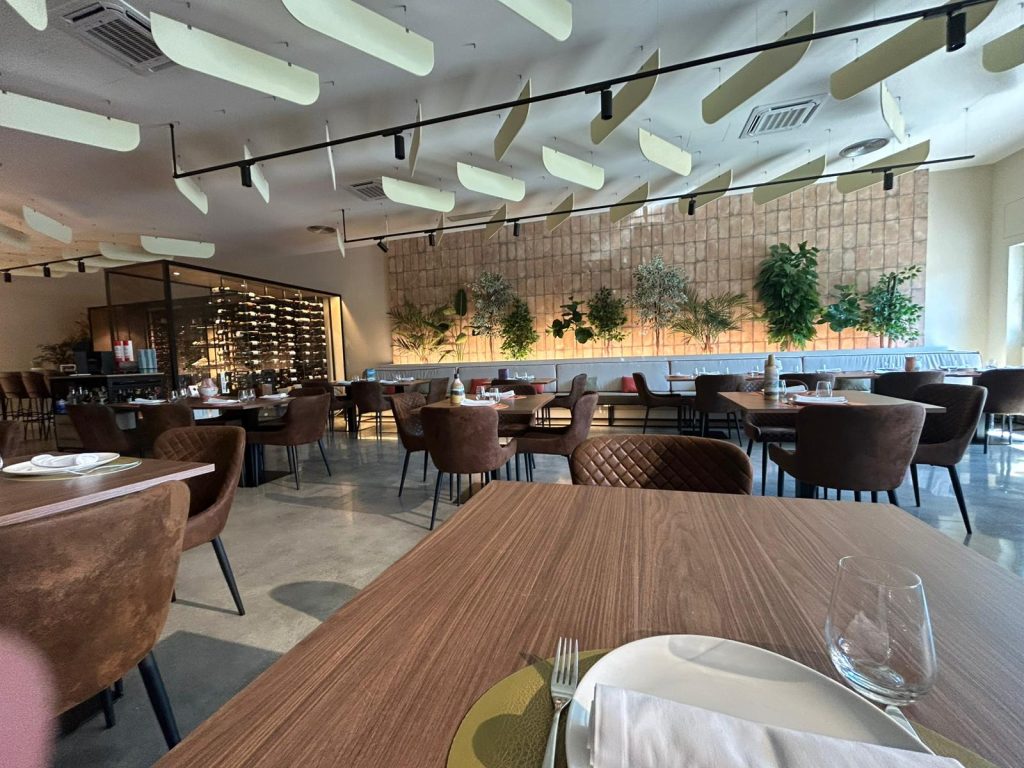
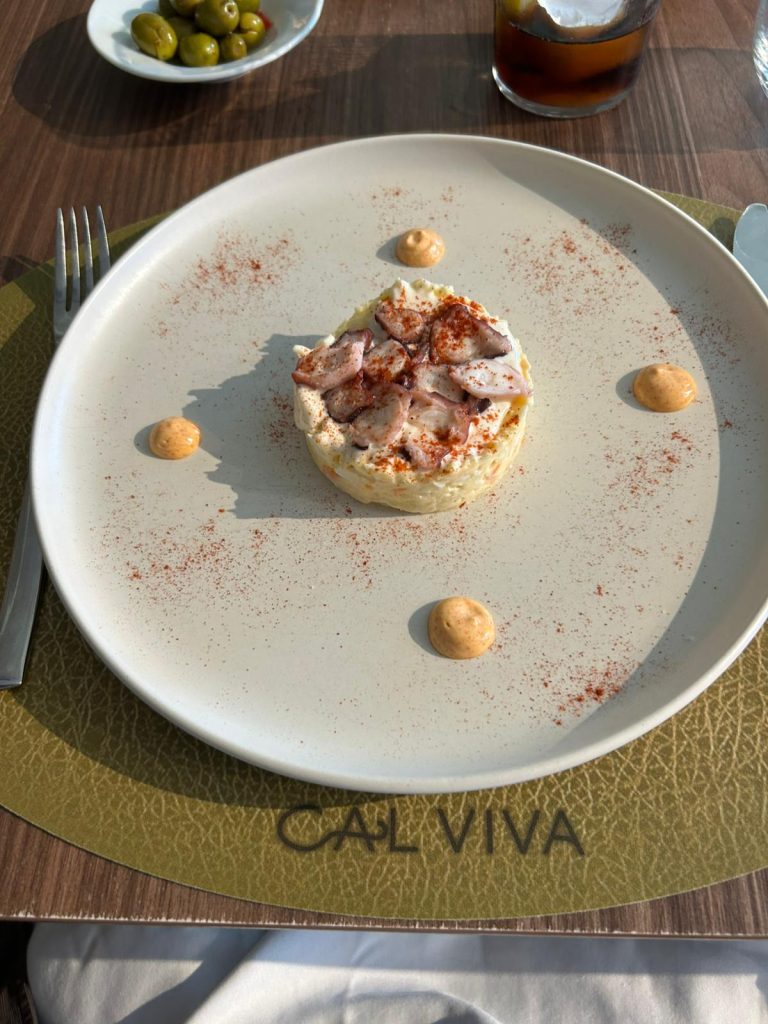
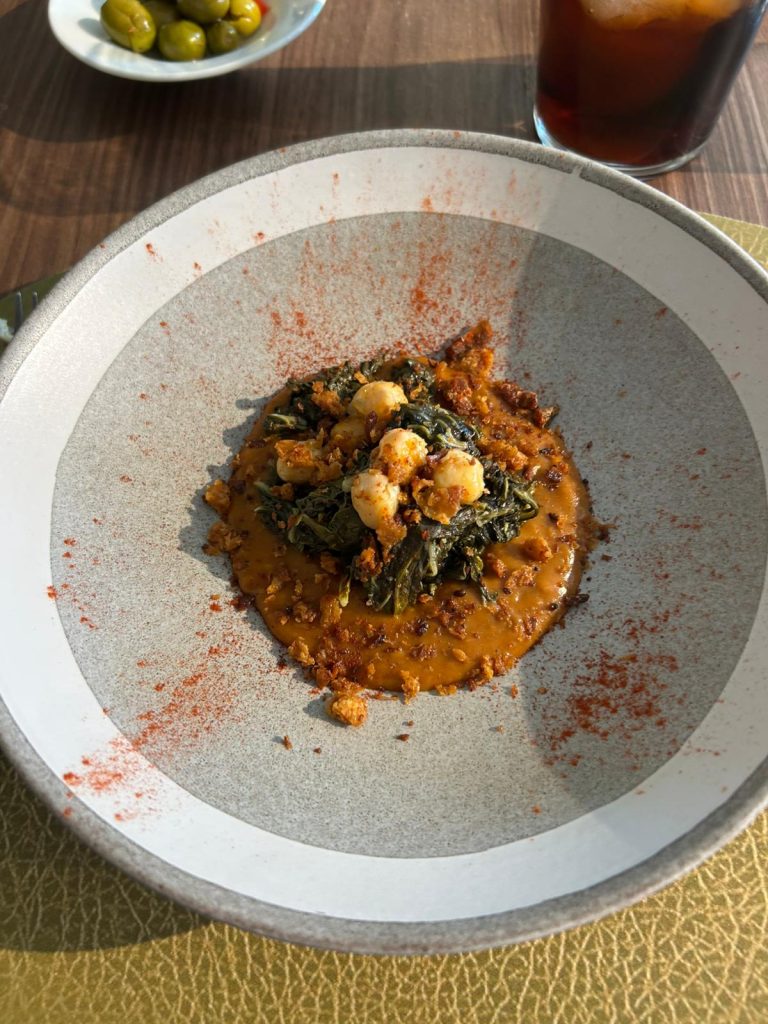
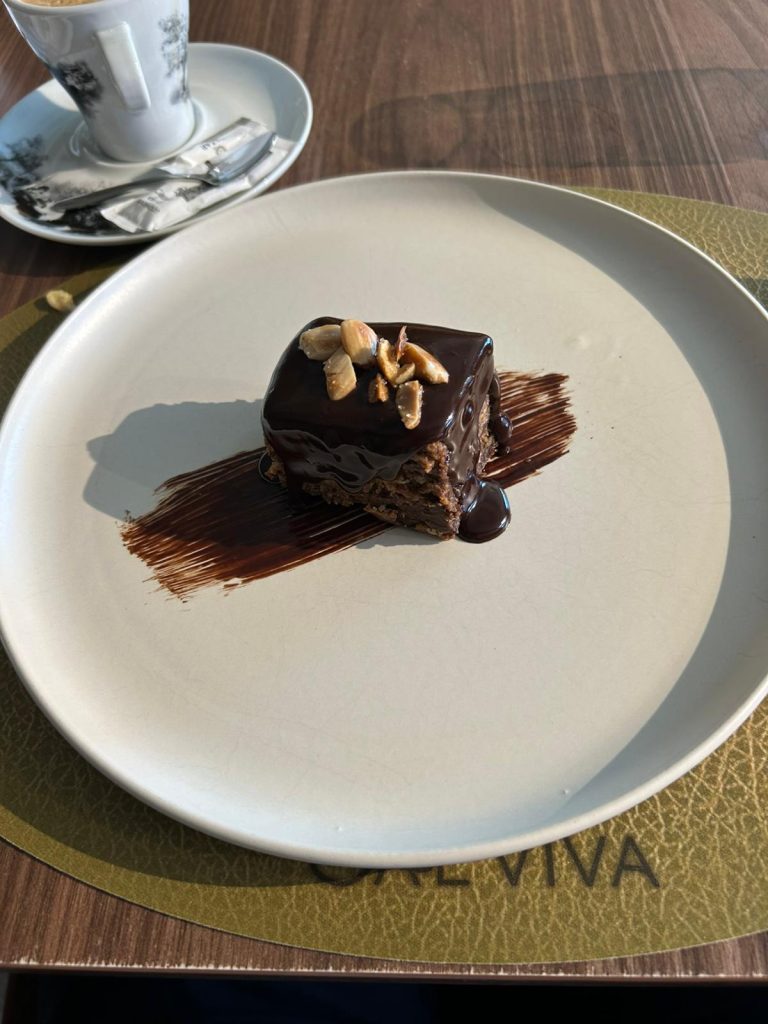
For lunch head to the Cal Viva, an unassuming restaurant on an industrial estate that is a secret dining gem – and has even been recognised by the Michelin Guide.
I enjoyed a delicious octopus salad, a traditional spinach and chickpea dish and tarta de abuela (grandmother’s cake), all for just €30.
Afternoon options
I decided to relax in the hotel, given that it was 35C, despite it being October, before heading to see the inside of the iconic San Miguel church.
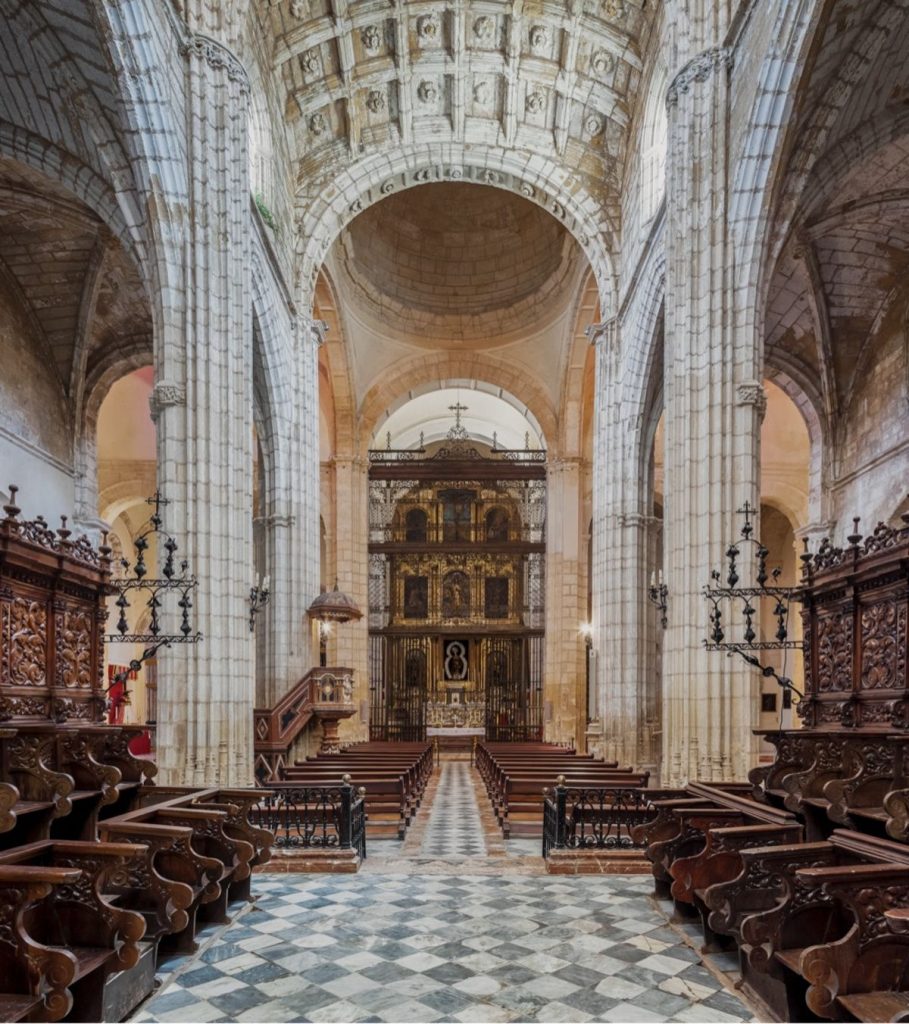
San Miguel’s design bears the hand – and the influence – of Alonso Rodríguez, the maestro mayor (chief architect) of Sevilla Catedral in the early 1500s.
Rodriguez was one of the great master builders of the period, responsible for completing parts of Sevilla’s monumental cathedral and for introducing its grand Gothic style to smaller towns across the province.
His work on San Miguel gave Moron a church of astonishing scale for its size: a soaring nave, ribbed vaults, and a façade of finely carved stone that mirrors the monumental ambition of Seville itself.
Inside, the church houses an extraordinary altarpiece from the 17th century, gilded in gold leaf and crowned with a sculpted Saint Michael triumphing over the devil – a fitting image for a town once locked in battle on the Christian-Muslim frontier.
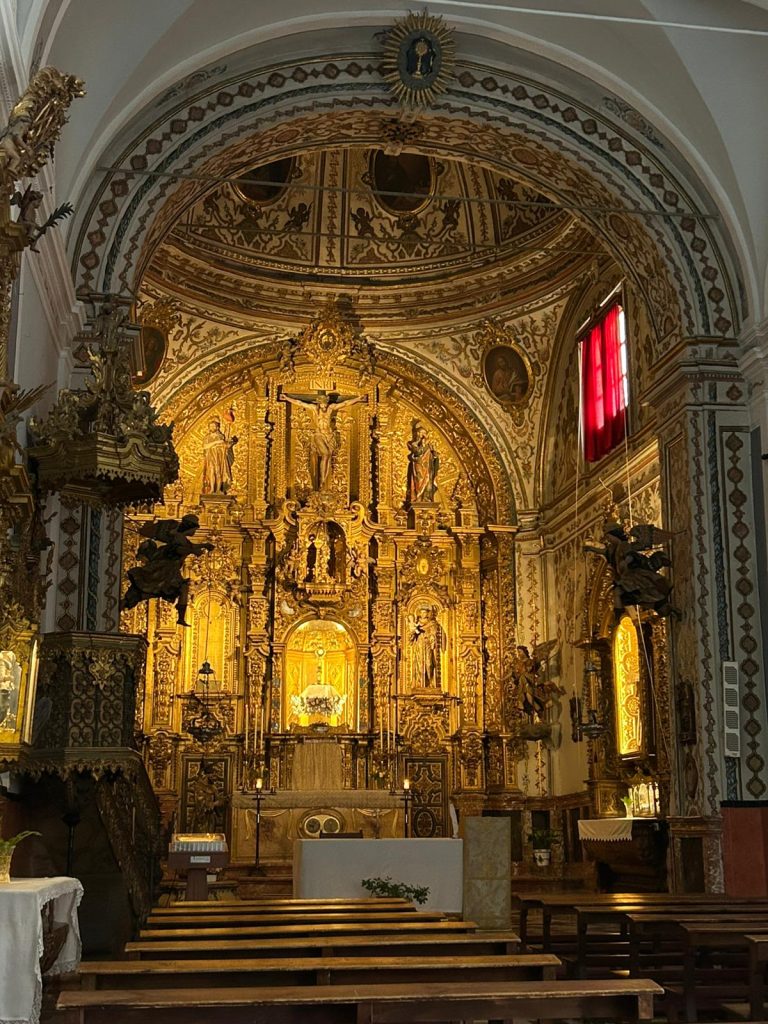
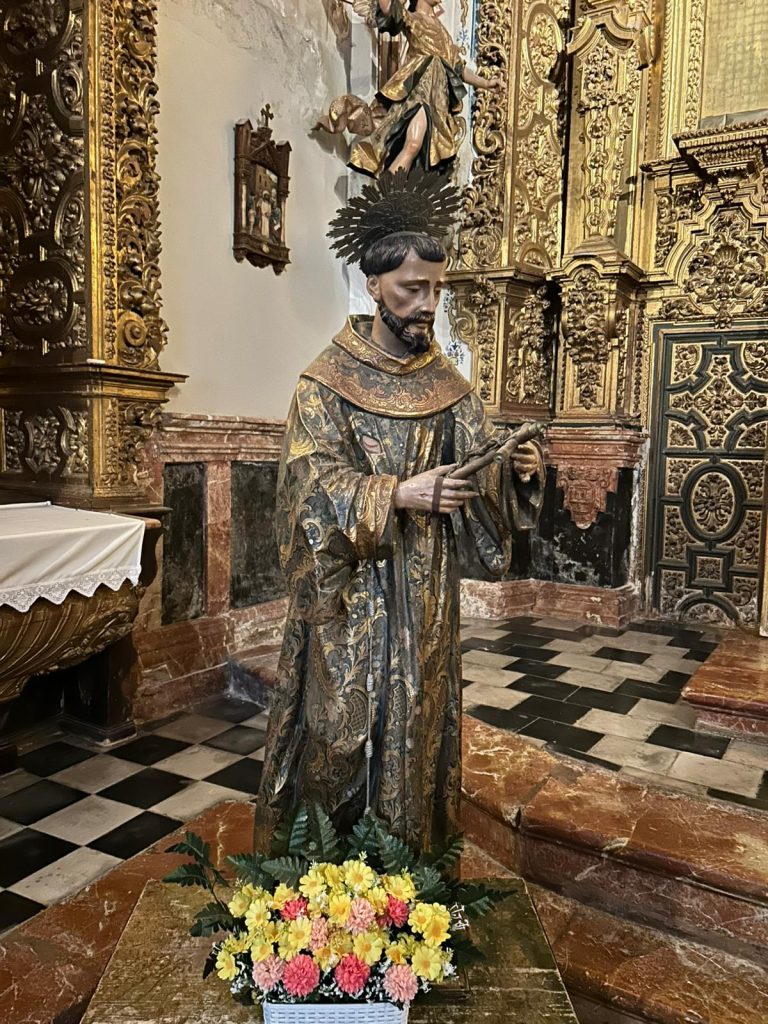
After exploring the church, wander through the narrow lanes behind it, where geraniums spill from white walls and the air smells faintly of jasmine.
The convent in the centre of town also provides a cool break from the sun and an impressive altar.
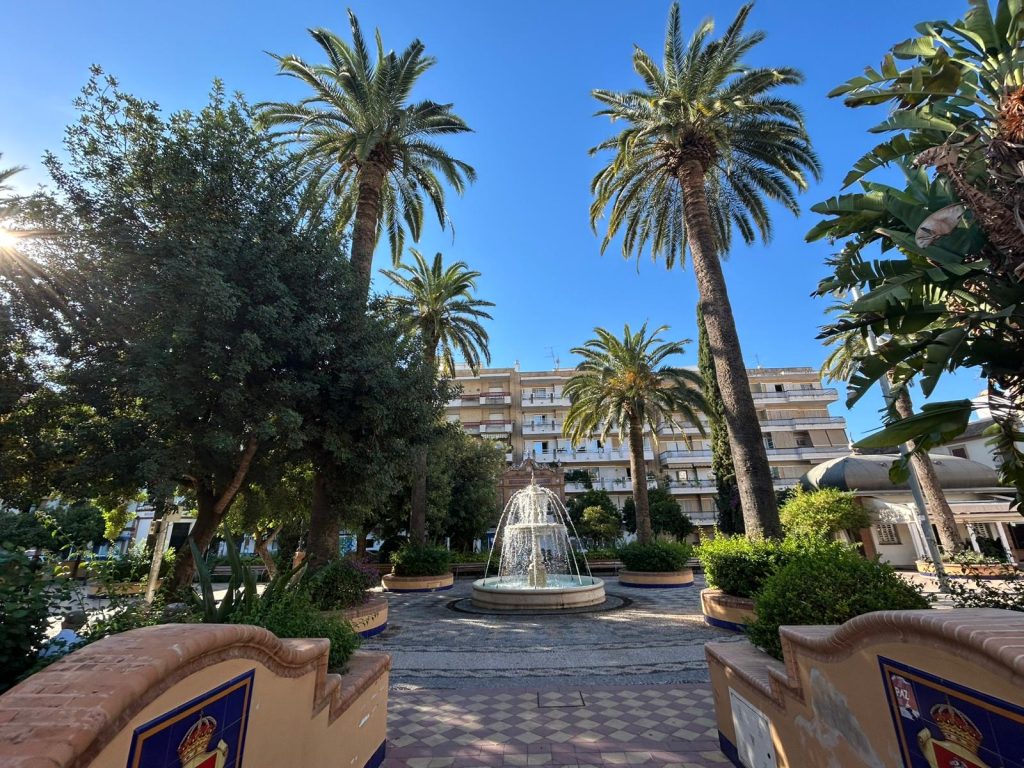
It is situated next to the peaceful La Carrera garden (Jardines de la Carrera), where locals sit on its many benches to ‘tomar el fresco’ – a time-honoured tradition of sitting outside during sundown hours to chat with friends or loved ones.
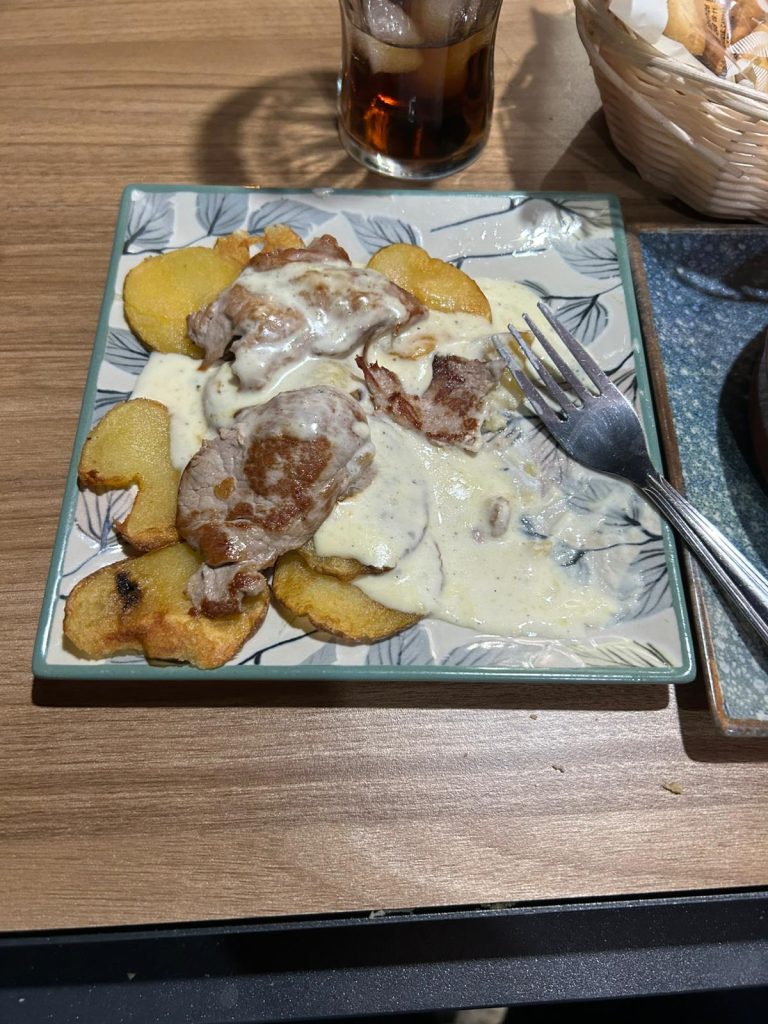
For dinner, I headed to Bar La Carrera 23, where they had top quality tapas, including solomillo with pimienta sauce, carrillada (slow cooked pig cheeks) and presa iberica (pork).
Other things to do
To understand Moron’s soul, you need to taste its oil. On leaving Moron, head just outside town to Oleomoron, which offers guided tours through its groves and presses, revealing the craftsmanship behind every bottle of extra virgin olive oil.
The industry has been the backbone of Moron’s economy since Roman times – ancient amphorae found nearby confirm the export of local oil to distant corners of the empire.
Alternatively, for an afternoon escape, drive or hike up into the Sierra de Moron Natural Park, a limestone range that shelters eagles, wild thyme and some of Seville’s best hiking trails.
The nearby Cueva de la Pileta, with prehistoric cave paintings, hints that people have lived in this area for thousands of years.
Where I slept
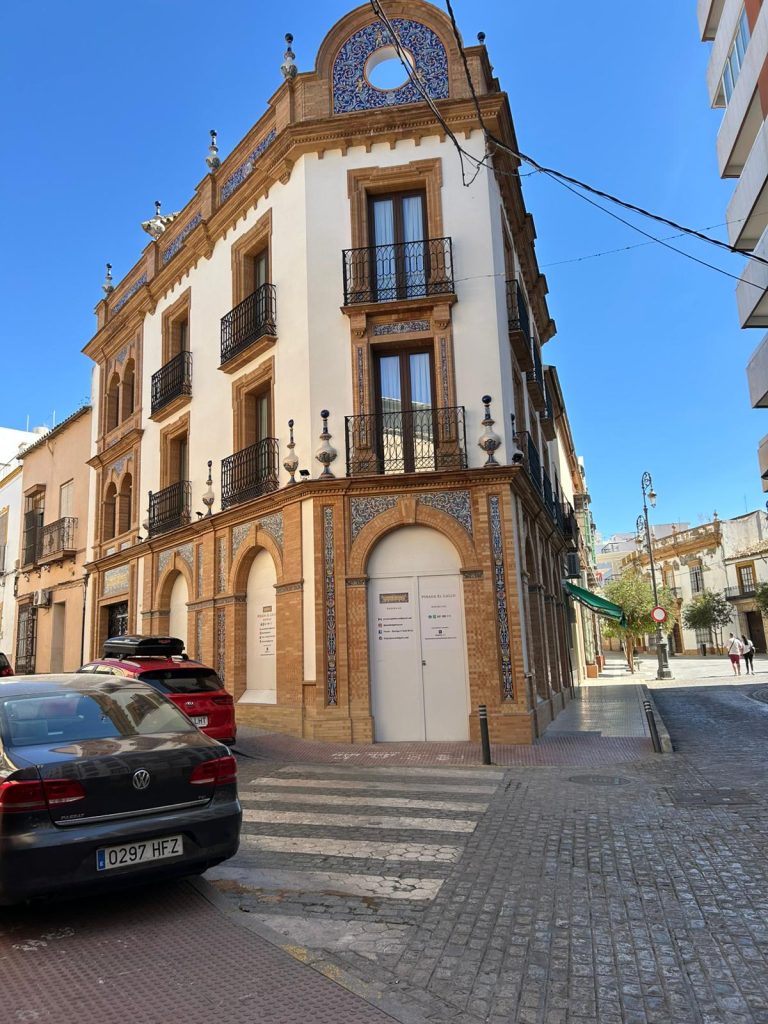
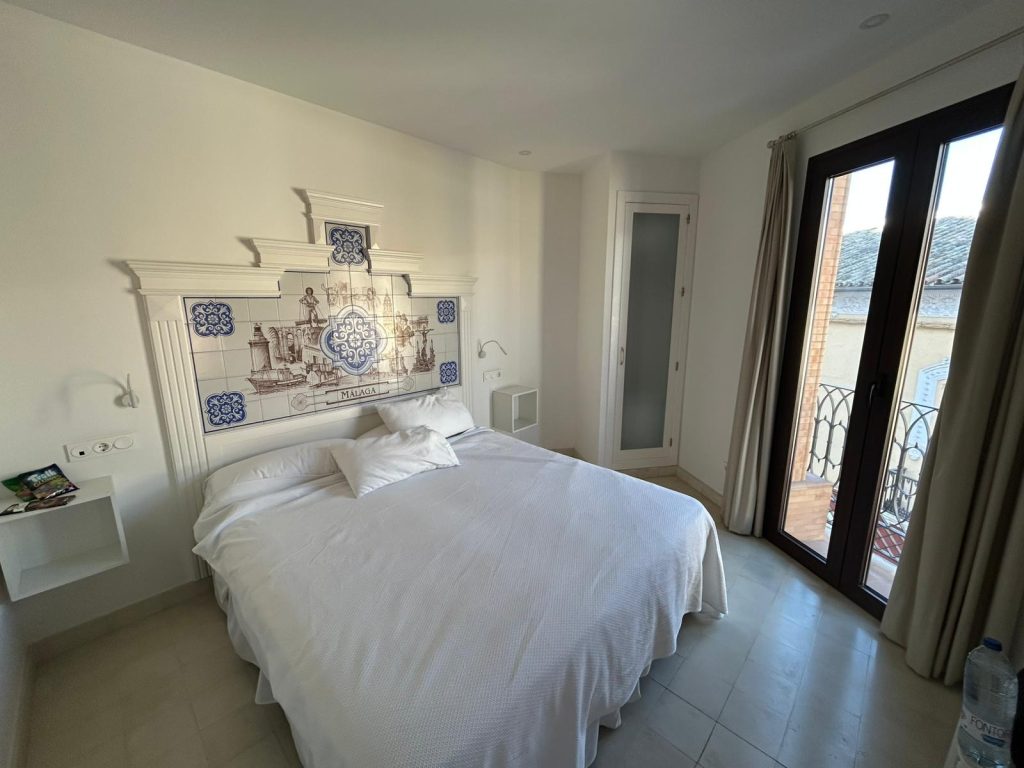
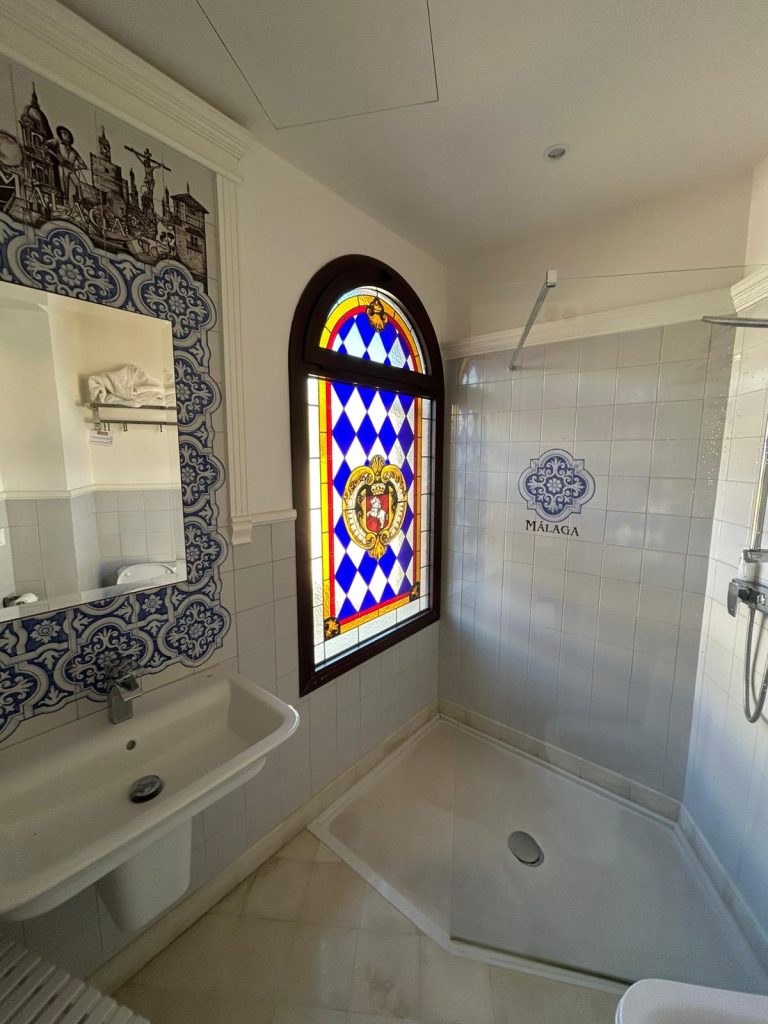
I spent the night at the Posada El Gallo Moron. The room was comfortable and cost €70 for the night.
It was a convenient option, with no reception and a passcode to access the entrance to both the hotel and room.
Read more Andalucia news at the Spanish Eye.