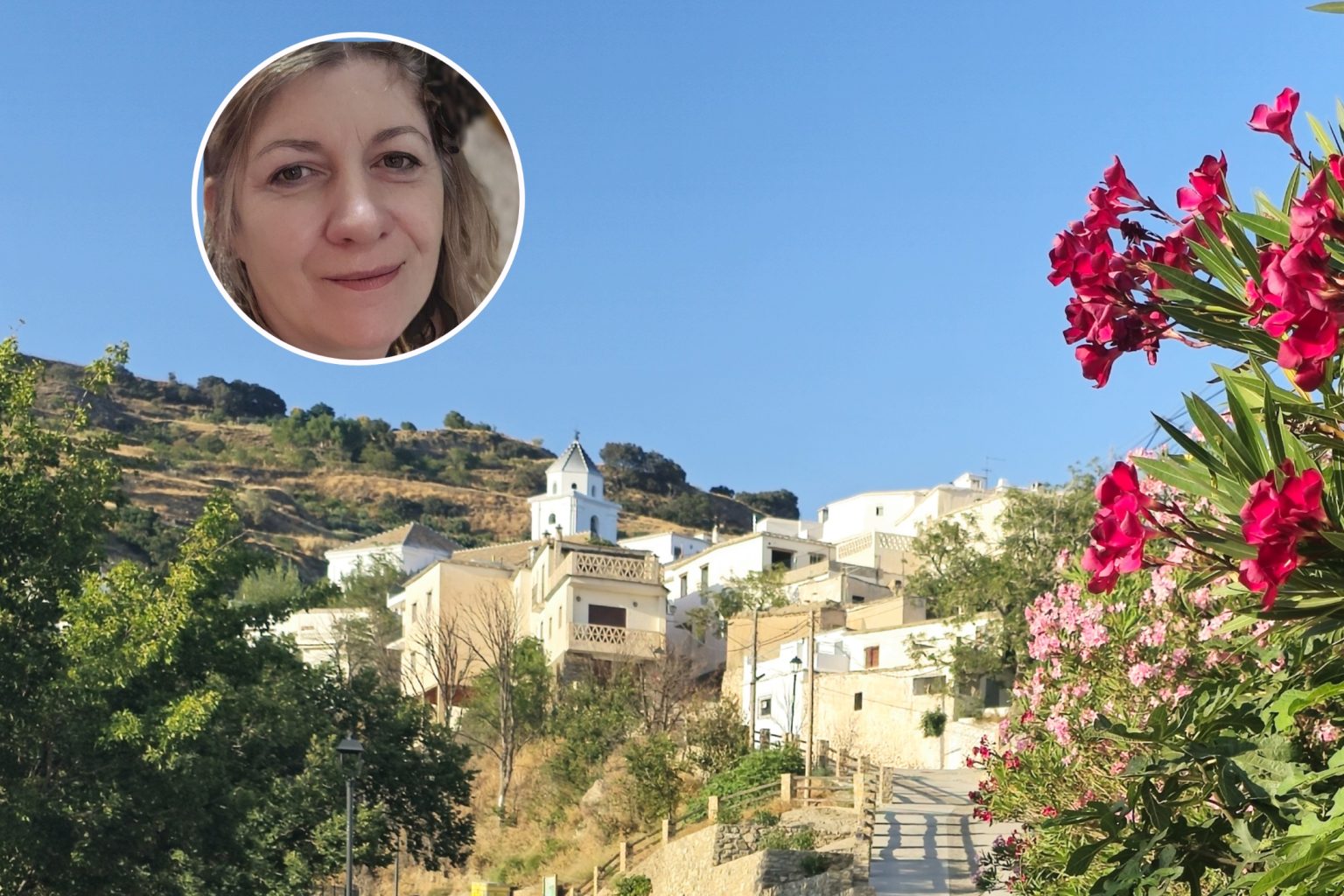

In a new series called Moving to Andalucia, the Spanish Eye speaks to locals, expats and property experts to offer the best advice and insights into making the move to Spain’s southernmost region
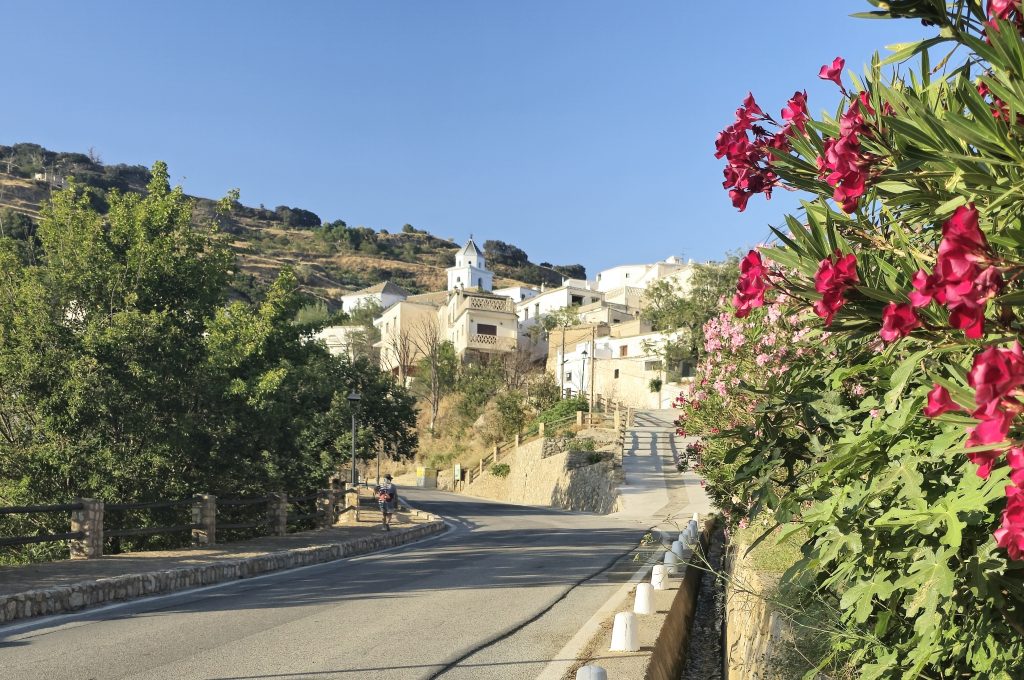
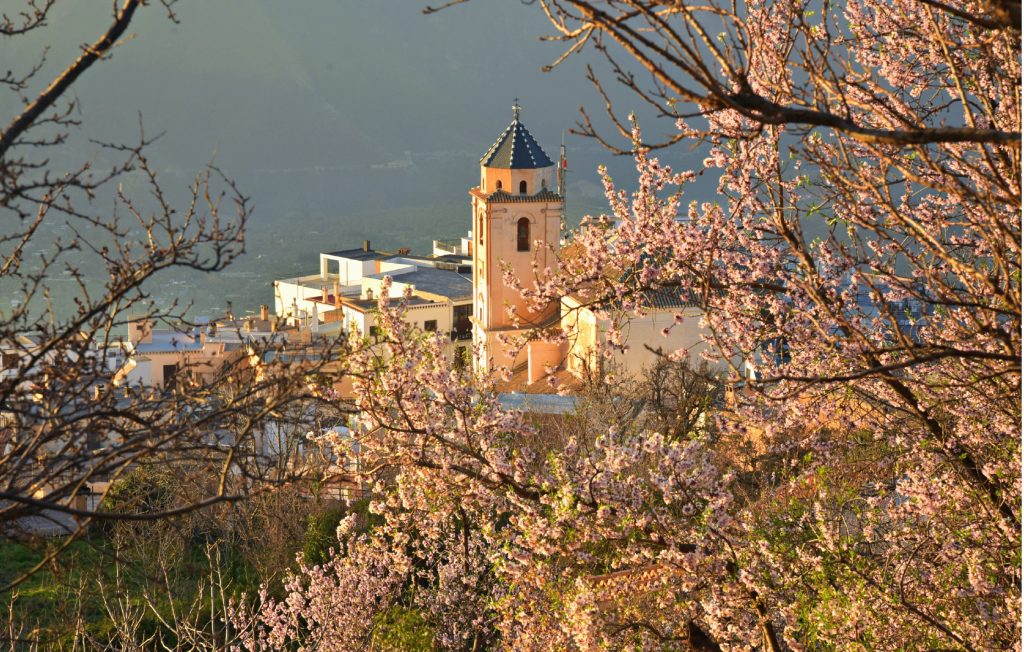
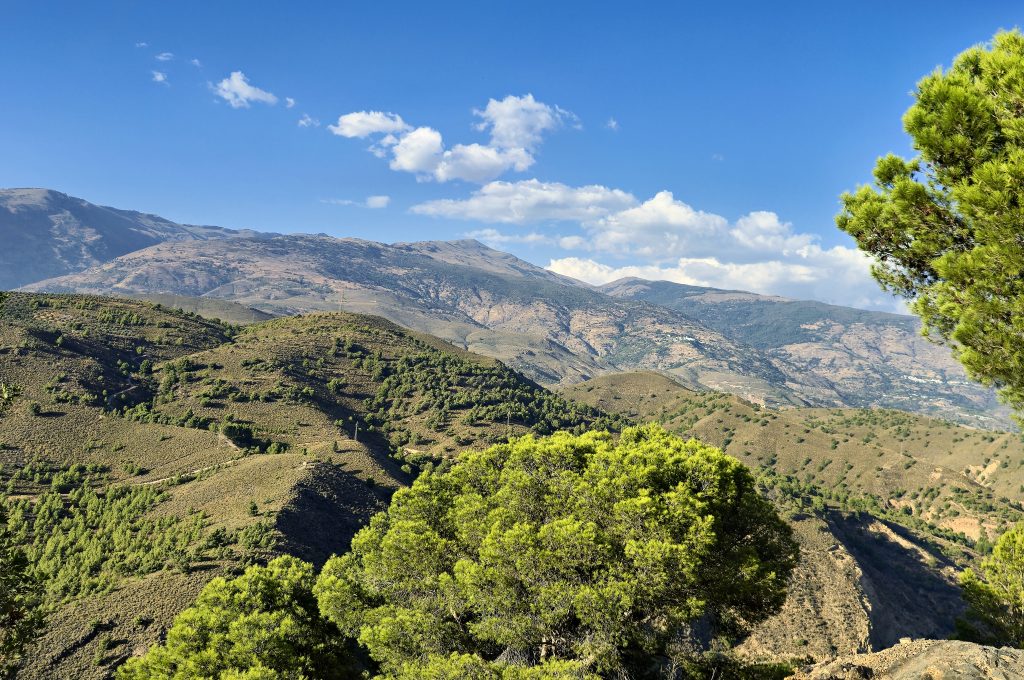
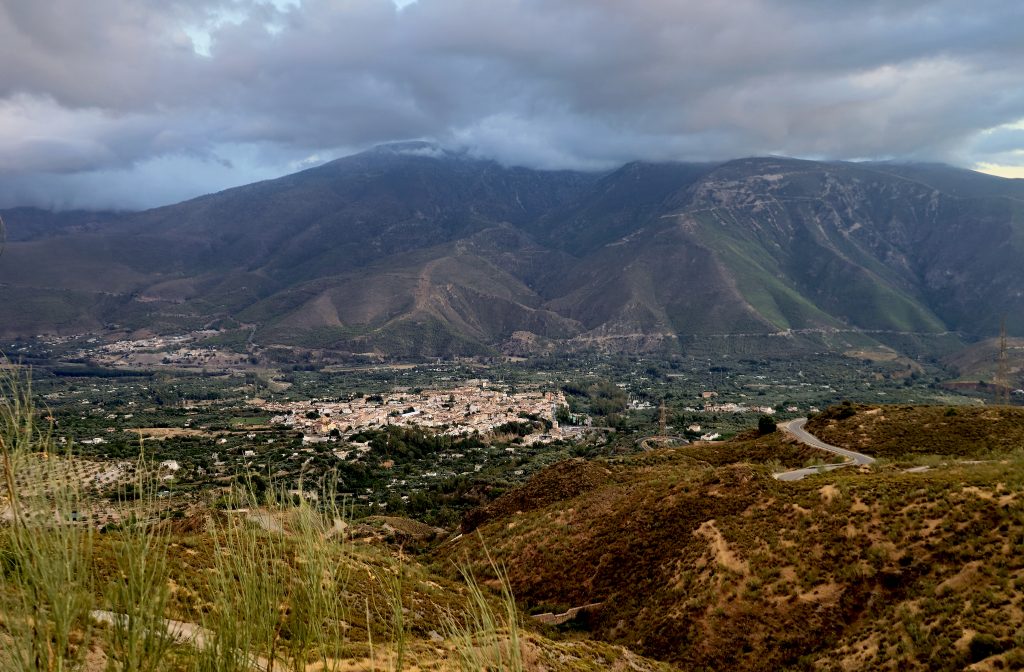
I was first drawn to La Alpujarra in the early 2000s. This rural gem of Andalucia sits on the south flank of the Sierra Nevada mountains, below the Iberian Peninsula’s highest peaks – Mulhacen and Veleta.
It is known for its lemons (Chris Stewart famously drove over them), olives, almonds, grapes, ‘vino’, and ‘serrano ham’, as well as inspirational scenery.
READ MORE: ‘I live in Sevilla, this is how much money you’ll need to live here’
My earliest visits were to see friends who moved in the early 2000s, restoring a ruin near Cadiar. As soon as I arrived, the rolling terrain, terraces punctuated with olive trees, mountain peaks, and tranquil pace of life (compared to Brighton) won me over.
After the first visit, I felt that I would live here. And I did.
Making the move
Eventually, we (me and two sons) moved to the spa town of Lanjaron for part of the year. We lived in the UK for the remaining months. I would look at grey skies and have an urge to leap on the ferry. Time to make a choice!
We became residents of Spain – with our TIE cards – and made a home in the mountains. I’ve always favoured mountains over beaches.
Inland, I love the white villages, built in their flat-roofed Berber style, and the forestry tracks, with fresh air, pine trees, and hardly anybody around. It is a great place to ride horses and mountain bikes.
Just before the Covid pandemic, I decided to swap the buzzy vibe of Lanjaron for a tranquil home in Cañar.
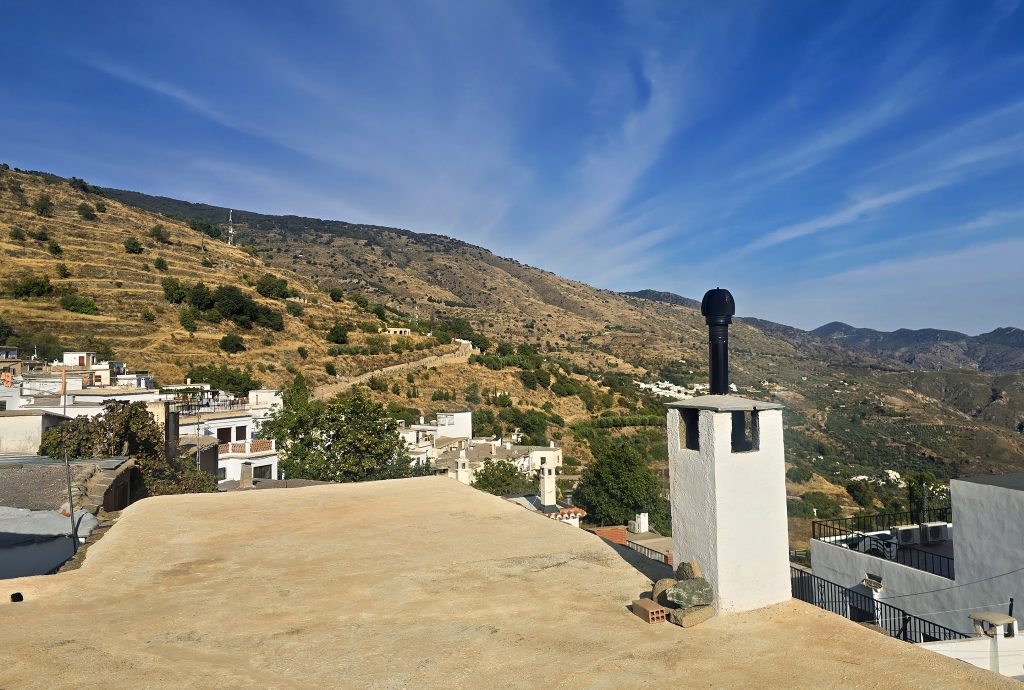
This is a small, mountain village with 389 residents, a no-through road, located at 1,014 metres.
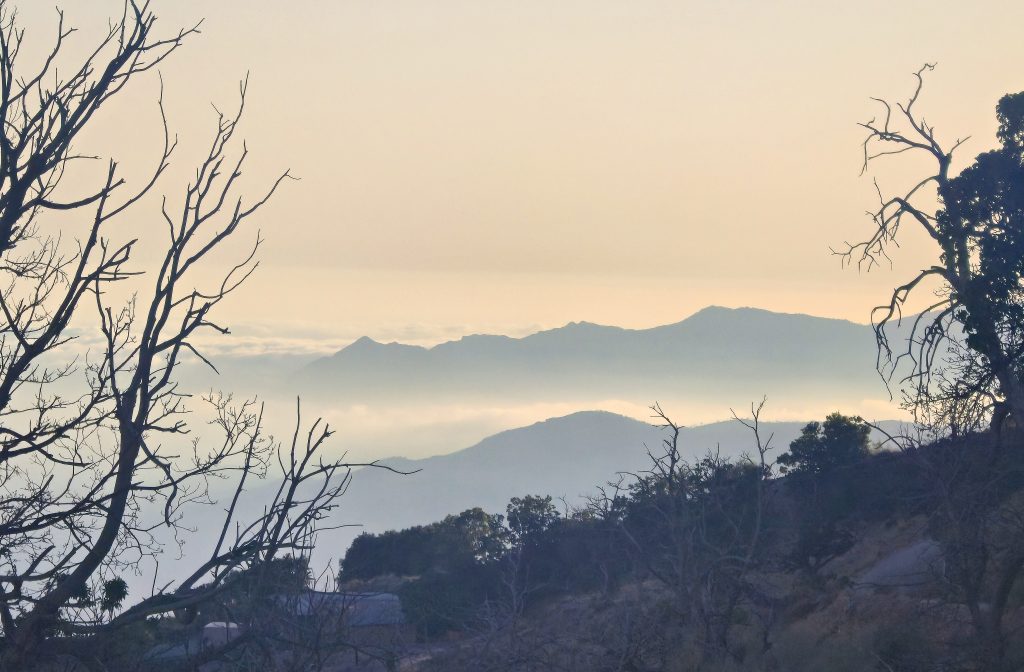
As well as panoramic views towards Africa, we have the GR-7 long-distance hiking trail running though the village. The Cañar section sits between Lanjaron and the witchy town of Soportujar – worth a visit.
Buying a property here
You can buy a basic house in La Alpujarra – legal and not needing a rebuild – for a minimum of €50,000. There’s a purchase tax of 7% to 10% on top of the property price.
Some small villages, with low populations, halve the purchase tax, but these are likely to have few amenities.
Properties in my village – Cañar – aren’t particularly cheap, because vendors (in my opinion) aren’t desperate to drop prices. Orgiva is also expensive currently. In nearby Lanjaron, you’re more likely to bag a bargain.
Cost of living
Since I first came to La Alpujarra, the cost of living has increased dramatically – especially in the area around Orgiva. Considered the ‘capital of La Alpujarra’, this is a tourism hotspot.
Locals debate whether it has ‘become gentrified’ – and who is to blame! I’m not convinced about overall gentrification but, yes, the cost of living is on the rise.
Utilities and local taxes
In our area, electricity costs from about €27 per month for a small property to around €50-60 for a modest property.
Endesa is the most expensive provider and best avoided. Your bills will double if you run aircon machines and electric heaters 24/7. In winter, it’s cheaper to wear a fleece jacket and sit in the local bar!
Gas bottles of butano and propano cost around €15 each, to run your water heater, oven and gas stove.
Internet costs about €30 a month for fibre optic.
The local taxes for water, rubbish collection and other municipal expenses amount to a few hundred Euros a year. If you don’t pay them on time, the interest rises incrementally. The largest bills arrive in September – bad news if you have kids going ‘back to school’ with expensive new kit!
Food and drink
Prices have risen at bars and restaurants since the Covid pandemic, with many looking to pay off their lockdown losses.
In the early 2000s, a ‘Menu del Día’ (set lunchtime menu) would cost €8, including a glass of wine. Now, it costs between €13 and €18.
I also recollect the local ‘vino costa’ – grown on the slopes of La Alpujarra and nearby Contraviesa – costing €1 a glass. This has risen to €3 in some bars. Rioja costs between €3.50 to €6 a glass.
Soft drinks – such as Fanta and Aquarius – cost between €2.50 and €3.50. I’ve even seen a ‘caña’ (small beer) charged at €3.
If you drive further out, towards the Almerian Alpujarra, the prices for food and drink start decreasing. Of course, you’re using diesel, and can’t drink and drive!
Supermarket shopping
The cost of food has increased since I moved here but it has decreased from a peak when the Russia-Ukraine war started.
When I had two older teens living with me, a basket of goods costing €80 could disappear almost overnight. Since they moved out, I spend less on food and fill myself with ‘tapas’ from the local bar.
In general, I probably spend €150 a month on supermarket shopping and a similar amount (or more!) on eating out.
Getting around
The cost of running a car in the mountains can be a nasty surprise. Especially if you’re constantly off-road, on forestry tracks, as those €600 mixed-surface tyres won’t last long.
Car insurance isn’t cheap if you want an ‘all-risks’ policy (mine is several hundred euros a year). The annual tax on cars varies by municipality and costs from about €10 a year for a 49cc motorcycle to over €100 for a 2.4 HDI 4×4.
Fuel costs around €1.40 per litre and I spend about €100-€150 a month on diesel. When you live in a mountain village, you need to drive constantly for provisions.
The Alsa ‘autobus’ is useful those who don’t own a car. It costs under €3 for a return trip between nearby villages and under €10 return to visit Motril and Granada.
Lifestyle costs
My main cost for my ‘hobbies’ is animal feed – around €100 a month – as I have a horse and dogs. There is also the blacksmith every couple of months, costing €80.
Total costs
The total cost for a single person living comfortably here is around €1,000 to €1,500 a month. That said, many people manage a very economical lifestyle, living off-grid and being self-sustainable with solar power and vegetable gardens.
Some remain off radar, inhabiting a shelter in a local alternative community… that’s not for faint-hearted, though!
Read more Andalucia news at the Spanish Eye.