
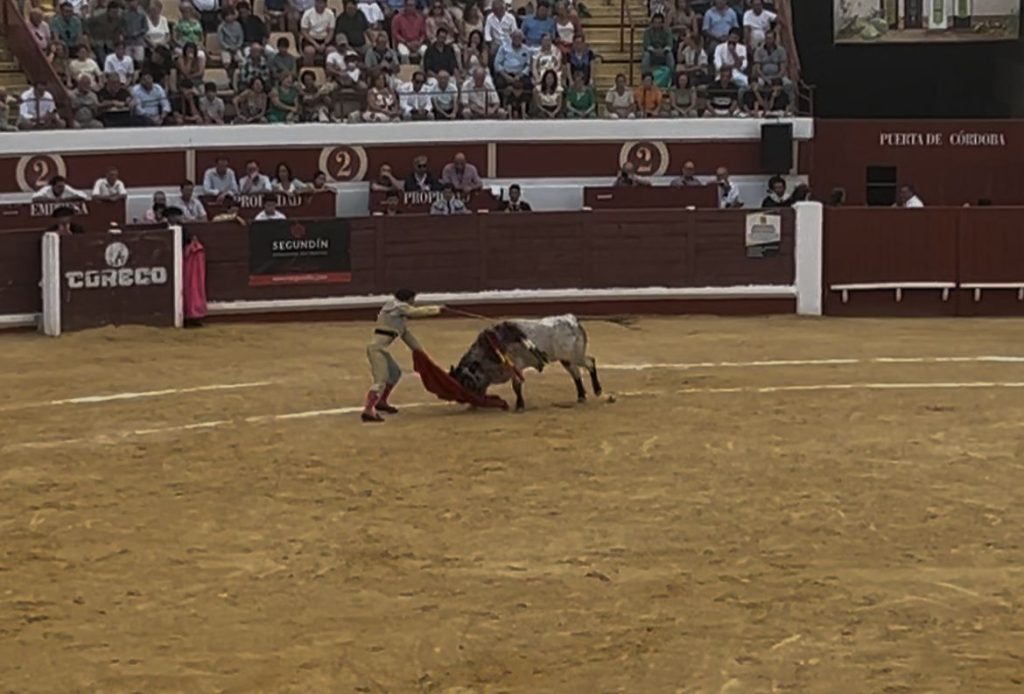
It was hard not to feel emotional as I watched six baby bulls be tormented, stabbed and killed just metres in front of me.
Each one of them, aged no older than two, repeatedly let out cries as they attempted to escape their captors.
You could see the blood dripping down their bodies after having four spears plunged into their backs.
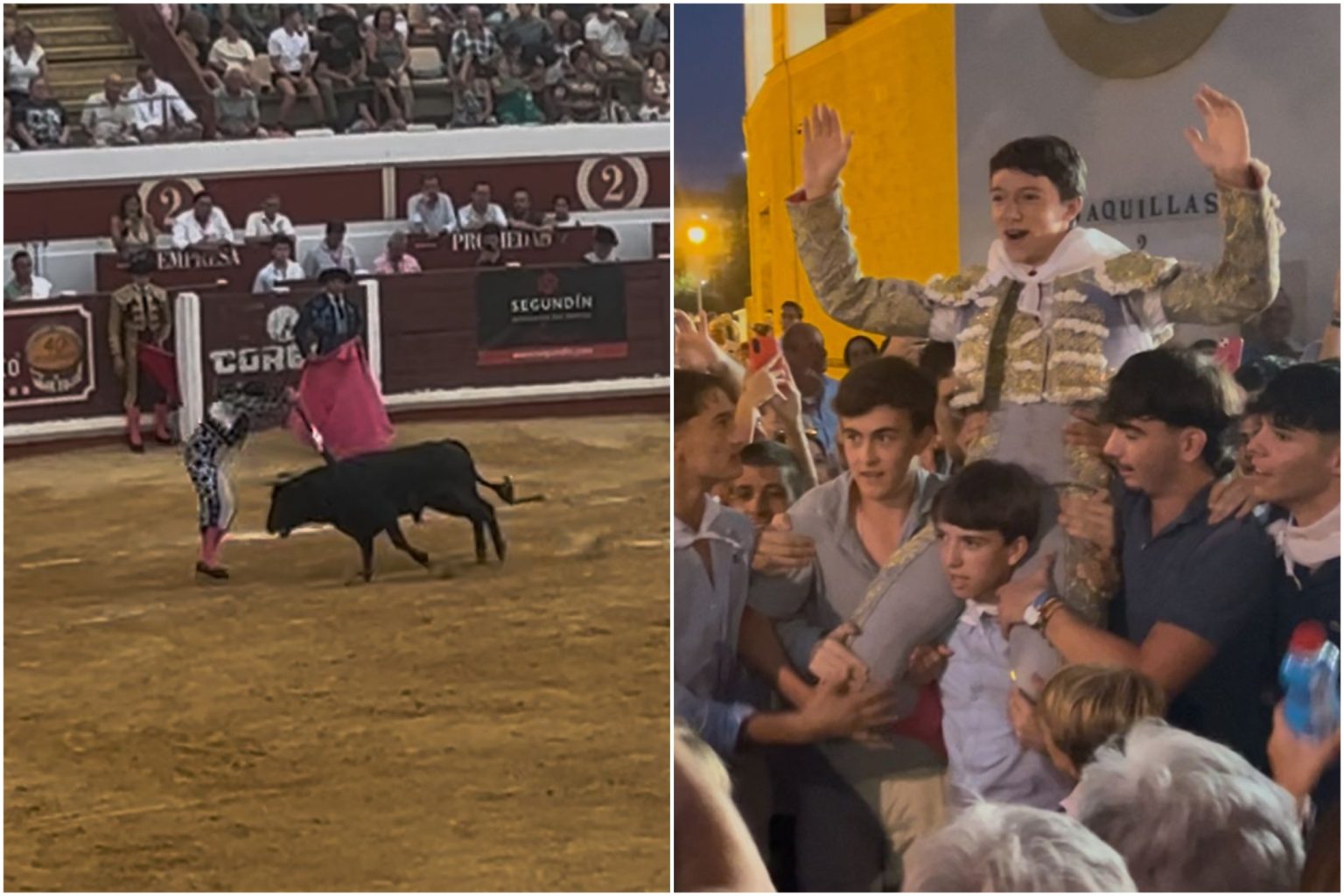
I was covering the Grand Final of the Becerredas circuit in Cordoba, Andalucia, on September 7.
READ MORE: EXCLUSIVE: Inside the world of the teen matadors in Andalucia
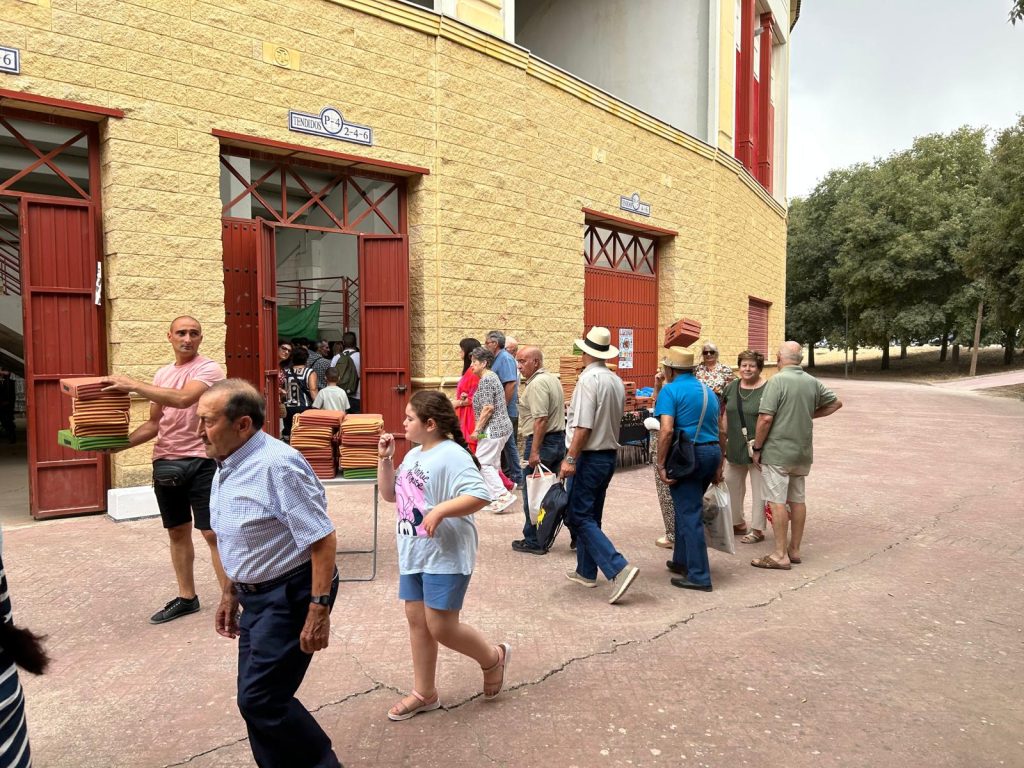
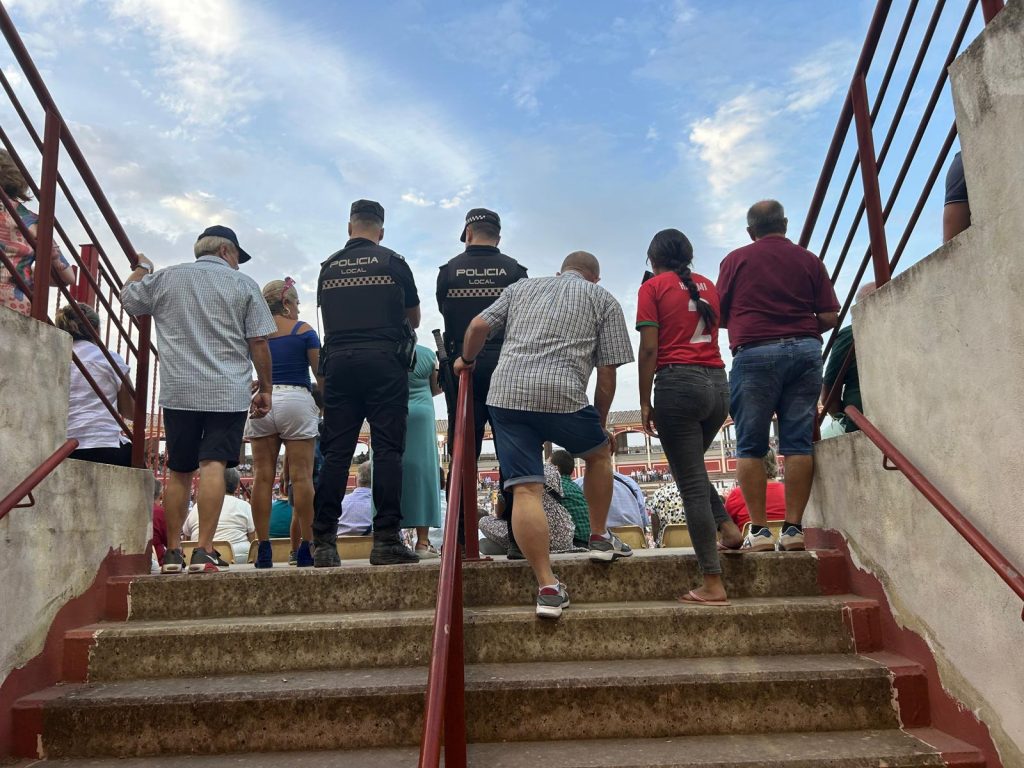
Toddlers, families and pensioners filled the bullring in the town of Lucena, all awaiting to see their favourite ‘becerristas’ – the name given to teenage apprentice bullfighters, typically aged between 16 and 18.
Each time a bull was released into the crowd, a visible sense of panic came over the animal, as he tried to find an exit.
Unbeknownst to each bull, their fate was already sealed. They would be made to run around for a few minutes while being taunted with pink and yellow capes by assistant matadors.
Then, two so-called Banderrileros ran towards the animals head-on, jumped into the air and plunged two spears into their backs.
Only then would the weakened bull face the becerrista, who waved his red cape (capote) again and again, making the confused animal run past him at full speed.
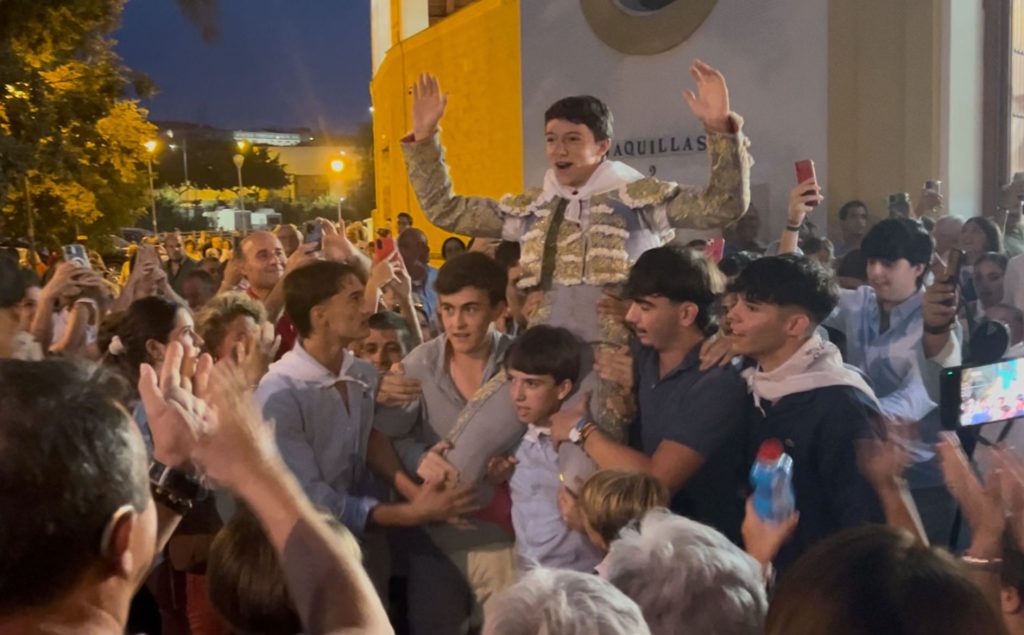
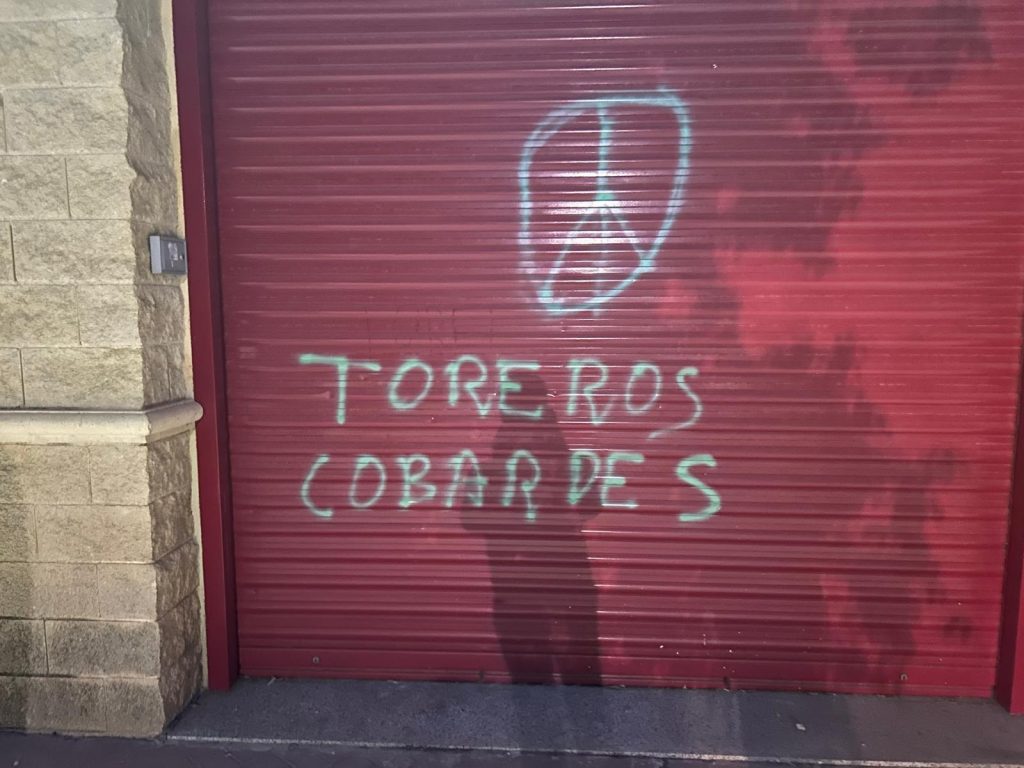
As an animal lover, it was only natural that I found myself secretly rooting for the bull.
It was in vain, of course, as within 20 minutes the final blow was performed.
Known as the estocada, it sees the matador stab the bull with a long sword between his shoulder blades, aiming for the heart.
Given these are matadors-in-training, it often took them a few tries.
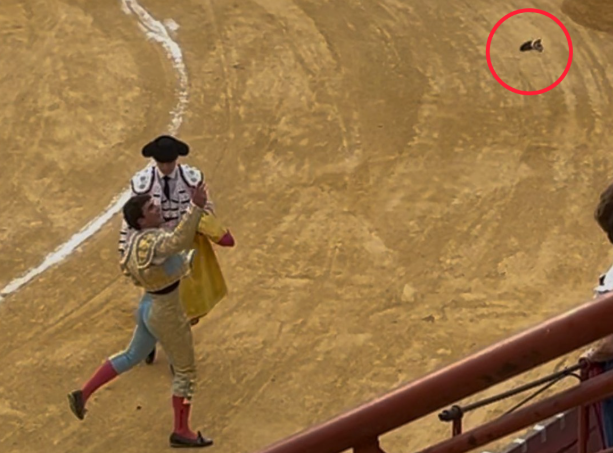
The animal eventually collapses as the crowd erupts in cheers, before it is stabbed in the head and its ears or tail are cut off for the ‘victorious’ matador to parade around the ring – depending on how ‘valiantly’ they performed.
It was, of course, nothing short of barbaric. But can I, as a British expat, pass judgement?
I love tradition and history more than most, and there is no doubt that this blood sport is intrinsically linked to Spain’s cultural tapestry.
The detailed costumes (trajes de luces, aka suits of light), the pomp and pagaentry and centuries-old customs all transport you back in time.
And while I have lived in Spain for over a decade, I am not Spanish, and some might say I should respect the culture of the country I move to.
Just imagine the stick a foreigner in the UK would get if they tried to dictate what British culture should or shouldn’t be.
The UK also enjoyed fox hunting for many years, and let’s not forget the millions of chickens and highly-intelligent pigs who are routinely slaughtered for meat – often having endured a life of abject misery and abuse.
Locals also told me that without bullfighting, the breed of bull used in the events would become extinct, while the economy would lose millions and many farmers would go out of business.
The blood sport, however barbaric it appears, provides thousands with a sense of community and tradition.
I can understand not wanting to let that go, but I simply cannot get my head around cheering for the stabbing and killing of an animal for the purpose of light entertainment.
Yes, I decided to move to Spain, but that does not mean I lose my right to voice my opinion, especially when it involves the torture and killing of sentient beings.
And it’s not as if I am in the minority.
A poll by Sigma Dos for the El Mundo newspaper in April this year found that 78% of Spaniards are not fans of bullfighting.
However, disappointingly, the same survey found only 48% would remove the sport’s protected ‘cultural heritage’ status.
There is also a clear political divide, with members of right wing parties more likely to support bullfighting, although the highest is seen in hard-right Vox (37.6%), and the conservative Partido Popular (31.3%).
Despite only finding support in far fewer than half of their voters, where these parties have regained control locally or provincially in recent elections, they have sought to overturn bans on bullfighting and bring it back, most notably in holiday hotspots like Mallorca, and Marbella on the Costa del Sol.
What’s clear is that there is a very powerful elite who do not want to see the ‘tradition’ of bullfighting die.
Many may ask why they simply can’t let the bull live, but I am afraid that would remove 90% of the ‘enjoyment’ for these bloodthirsty spectators.
While the anti-bullfight movement is growing thanks to efforts of animal rights groups like PACMA, I fear many more years will pass before any meaningful change.
The future looks even more bleak as the right and far right continue to gain ground against the left in Spain.
If bullfighting is to be banned within the next decade, action needs to be taken by the incumbent Pedro Sanchez government, but with such a slim majority, I wouldn’t get your hopes up.