
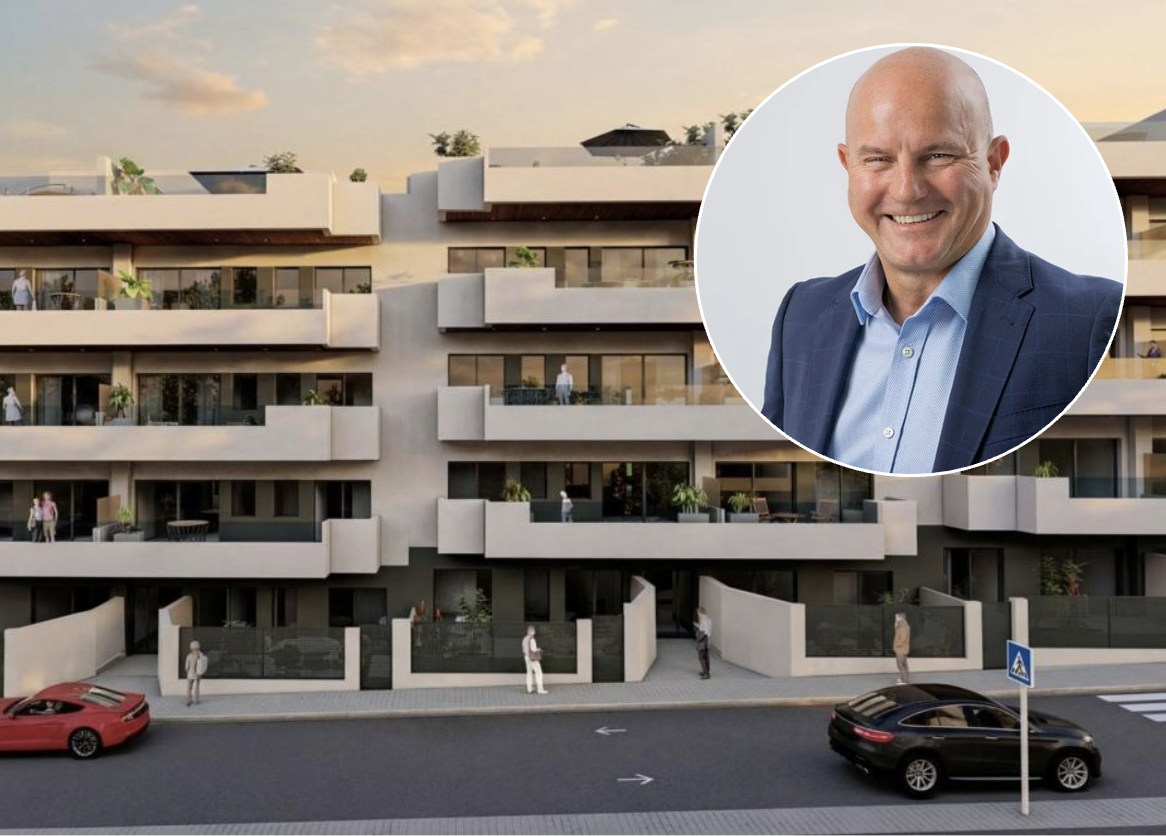

Buying a property off-plan in Spain can be an attractive prospect, but handing over thousands of euros before construction begins carries risks.
The issue has come into focus following the cancellation of five residential developments across Malaga province, leaving dozens of prospective homeowners struggling to recover reservation fees of up to €15,000.
As many as 150 buyers could be affected by the cancellation of developments in Cartama, Benalmadena, Rincon de la Victoria and Malaga city.
Speaking to The Spanish Eye, property lawyer Alex Radford, from My Lawyer In Spain, explained how buyers can protect their money and what warning signs they should look out for before committing to a new development.
Never pay a reservation fee without independent legal advice
Radford advises buyers to appoint an independent lawyer who speaks their language before signing any documents or transferring money.
‘Confirm who owns the land, who the contract is with, whether they have planning permission and what protection is in place for off-plan payments,’ he said.
Buyers should also establish who is legally authorised to sign contracts on behalf of the developer and request copies of the planning permission, property plans and details of any financial guarantees.

These checks are particularly important for foreign buyers purchasing remotely from overseas.
Is your reservation fee protected?
One of the most important considerations is whether the developer has provided a bank guarantee or insurance policy covering the money paid in advance.
Radford said many developers extend this protection to the initial reservation fee, although buyers should always verify that this is the case before transferring money.
‘Most developers do cover reservation payments, but you need to check,’ he said.
Buyers should ask their independent lawyer to confirm that the guarantee covers their individual payments and establish the circumstances under which they can claim a refund.
What are the red flags?
According to Radford, poorly drafted contracts, a lack of planning permission and the absence of financial guarantees for advance payments should all raise alarm bells.
Buyers should also pay close attention to contractual delivery dates and any clauses allowing developers to delay completion.
‘Be aware that the developer may have six months’ wiggle room on the delivery date, which is standard,’ he explained.
What happens if the development is cancelled?
Where advance payments are covered by a valid bank guarantee, buyers may be able to pursue a refund directly from the guarantee provider if the developer fails to fulfil its contractual obligations.
Radford said buyers could take legal action against the provider of the bank guarantee if their development is cancelled and their money is not returned.
His overriding advice to prospective foreign homeowners is to seek independent legal advice before signing anything or handing over money, including the initial reservation fee.