
An international drug-trafficking network operating from Jaen has been dismantled following a years-long investigation involving police in Spain and Romania.
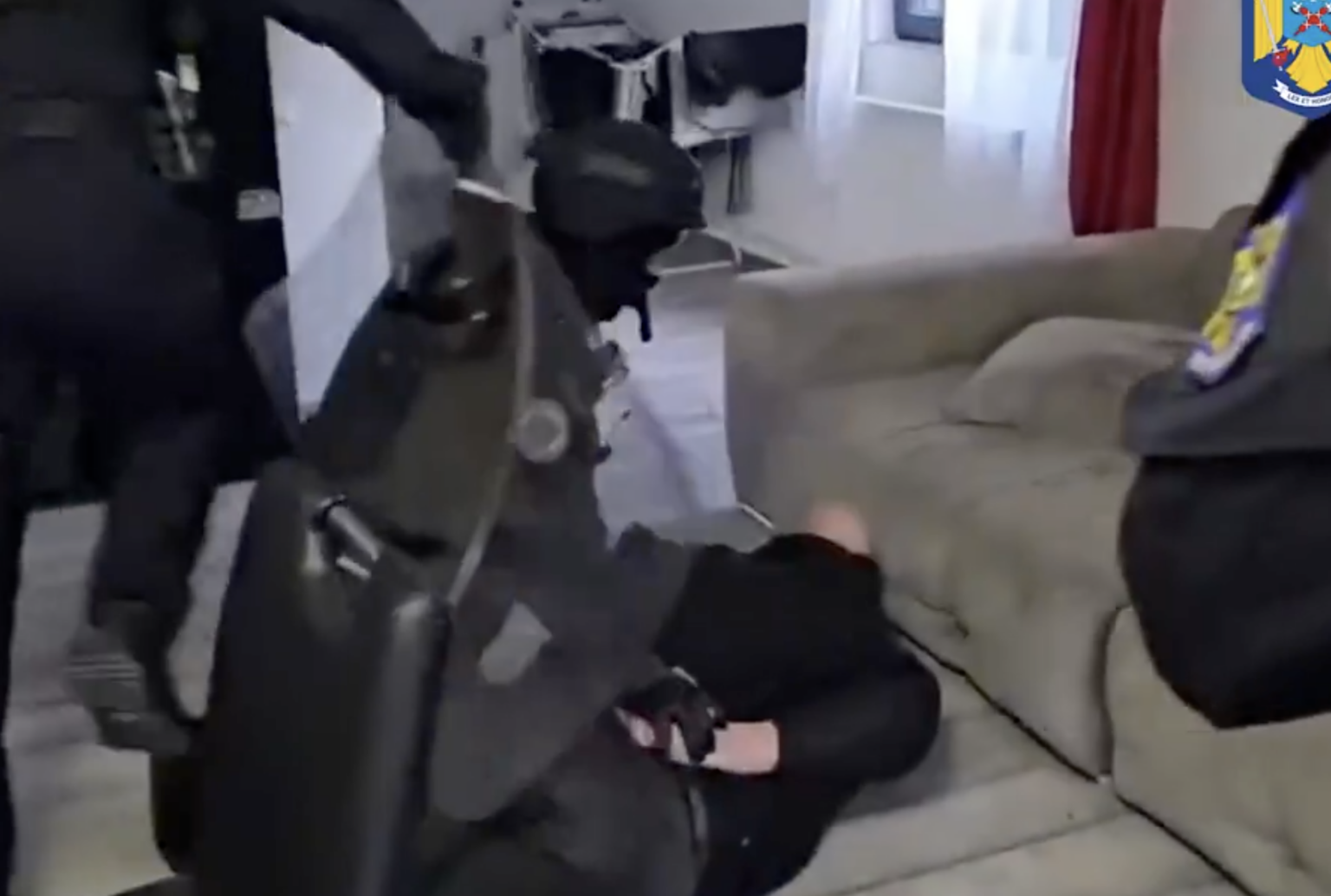
Three Romanian nationals and one Spaniard were arrested during the final phase of Operation Vectus.
Two were remanded in custody in Spain and the other two were imprisoned provisionally in Romania.
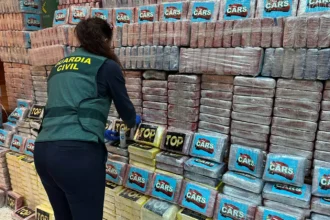
Officers seized 83kg of marijuana, two kilograms of cocaine and a firearm during a series of raids.
The investigation was conducted by the Guardia Civil’s Judicial Police unit in Jaen alongside the Romanian Police.
Spanish authorities said the international exchange of intelligence was decisive in reconstructing the group’s activities and ultimately dismantling its logistical network.
Drugs hidden among legal cargo
Investigators believe the organisation acquired narcotics from different parts of Spain before transporting them to Romania and other European countries.
The drugs did not always originate in Jaen, but the province served as the network’s operational headquarters.
The gang used buses, cars and vans, changing its method according to the circumstances of each consignment.
Packages were sometimes concealed among legitimate cargo to reduce the chances of discovery during police inspections.
Captain Carles Algar, head of the Guardia Civil’s Judicial Police unit in Jaen, described the operation as a ‘logistical chain’.
Some members did not necessarily come into direct contact with the drugs, but allegedly purchased them, organised their transportation and delivered them to established distribution channels in Romania.
One of the suspects has been described as a priority target because of his alleged links to organised crime and drug trafficking in Jaen province.
Investigators consider him the leader of the organisation and said he had been monitored for years because of his criminal connections in both Spain and Romania.
Cooperation intensified approximately three years ago after Romanian police opened an investigation into a suspect living in Jaen.
Spanish officers then began their own inquiries and exchanged information with their Romanian counterparts.
Earlier cooperation between police in Spain, Romania and Hungary had already resulted in operations during 2024 and 2025 targeting infrastructure used to transport drugs.
Drug worth twice as much in Romania
The organisation generated substantial profits because narcotics could be sold in Romania for almost twice their value in Spain, police said.
Investigators said the group increasingly divided large consignments into smaller loads, allowing them to use more discreet vehicles and reducing the losses if one shipment was intercepted.
Links were also identified in Hungary, where authorities suspect the organisation had potential customers and infrastructure for laundering its profits.
Guardia Civil commander Lieutenant Colonel Francisco Jose Lozano said the case demonstrated the importance of coordinating information between police forces.