Swollen legs, nighttime cramps, itching and a feeling of heaviness can all become more noticeable during Spain’s hot summer months.
But while these symptoms are often dismissed as a consequence of the heat, doctors warn they may indicate chronic venous insufficiency rather than simple tiredness.
Dr Enrique Puras, head of Angiology and Vascular Surgery at Olympia Quironsalud, said autumn provides particularly favourable conditions for assessing and treating varicose veins.
‘The heat causes blood vessels to dilate naturally,’ he explained.
‘In the veins of the legs, this dilation can make it harder for blood to return, cause the valves to work less effectively and encourage blood to accumulate in the lower limbs.’
Long journeys, reduced physical activity and spending extended periods sitting or standing can also worsen swelling and discomfort over the summer.
Warning signs to watch for
Occasional heaviness after a long day does not necessarily indicate a medical condition. However, patients should seek advice when symptoms repeatedly occur, persist despite rest or gradually become worse.
Warning signs include swelling that does not improve after elevating the legs, daily pain or heaviness, frequent nighttime cramps, itching and changes to the skin around the lower legs.
New varicose veins or spider veins that continue to appear should also be assessed.
More urgent attention may be needed when a vein becomes hard, painful to touch or surrounded by red skin, as this could indicate inflammation.
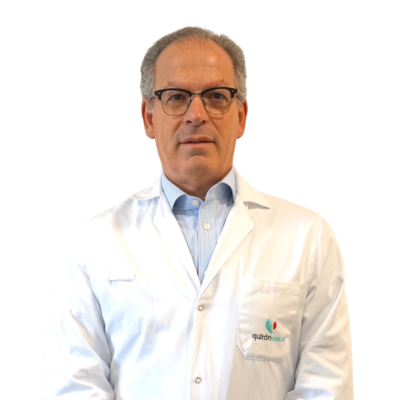
‘If the symptoms are repeated or getting worse, you should not wait for the problem to deteriorate,’ Dr Puras said in a press release.
More than a cosmetic issue
Varicose veins develop when veins become enlarged and their internal valves stop working properly.
Healthy valves help prevent blood from flowing backwards as it travels from the legs towards the heart. When they fail, blood can collect in the lower limbs.
Some patients seek treatment primarily for cosmetic reasons. However, untreated venous insufficiency can progress and cause increased swelling, skin changes, eczema, inflammation and, in more advanced cases, ulcers that can be difficult to heal.
Doctors commonly use a venous Doppler ultrasound to examine the veins and observe how blood is flowing in real time.
The painless and non-invasive test can identify malfunctioning valves and establish whether the condition affects superficial veins, deeper veins or both.
Why autumn can be ideal
Autumn is particularly suitable because symptoms experienced during the summer remain fresh in patients’ minds, making it easier to explain how their legs have been affected.
Cooler weather can also make the recovery process more comfortable. Following some treatments, patients may need to wear compression stockings or avoid exposing the treated area to direct sunlight.
Both recommendations are generally easier to follow once temperatures begin to fall.
‘There is no official season for treating varicose veins,’ Dr Puras stressed.
‘The important thing is each patient’s clinical and personal situation. However, autumn and winter offer especially favourable conditions for treatment and recovery.’
Modern treatments
Many patients no longer require traditional surgery, a hospital stay or several weeks of recovery.
Small varicose veins and spider veins can be treated through sclerotherapy, which involves injecting a substance into the affected vein to close it.
Larger or deeper veins may be treated with ultrasound-guided sclerotherapy, laser therapy or radiofrequency procedures. Some superficial veins can also be removed through ambulatory phlebectomy.
Many of these treatments are performed under local anaesthetic, allowing patients to walk home the same day and resume normal activities within several days.
The most appropriate option depends on the size and location of the veins, the symptoms experienced and the patient’s wider medical circumstances.
What can help at home?
Walking regularly helps activate the calf muscles, which work as a natural pump to move blood back towards the heart.
People who spend long periods sitting or standing should take active breaks approximately once an hour.
Elevating the legs after work, maintaining a healthy weight and avoiding prolonged exposure to intense heat can also help. Compression stockings may be useful when recommended by a medical professional.
However, Dr Puras warned that lifestyle measures should not replace a medical assessment when symptoms persist or existing varicose veins worsen.