
A genomic surveillance system developed in Andalucia is helping health authorities detect links between infectious disease cases that may otherwise appear unrelated.
The SIEGA platform compares the complete genetic sequences of bacteria and other pathogens to identify clusters of identical or near-identical infections.
This can indicate that patients form part of the same transmission chain or were exposed to a shared source, such as a contaminated food product, livestock facility or environmental site.
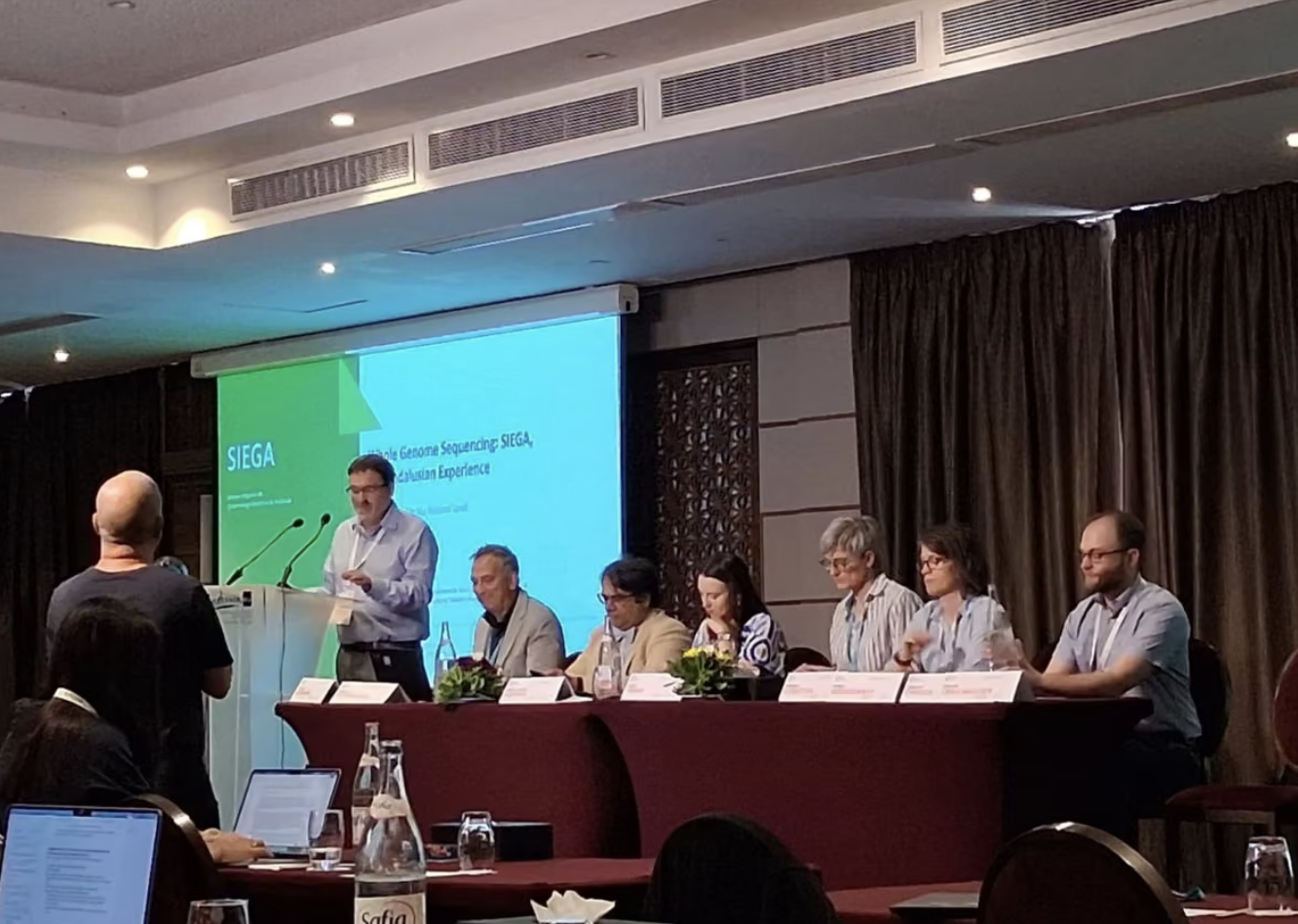
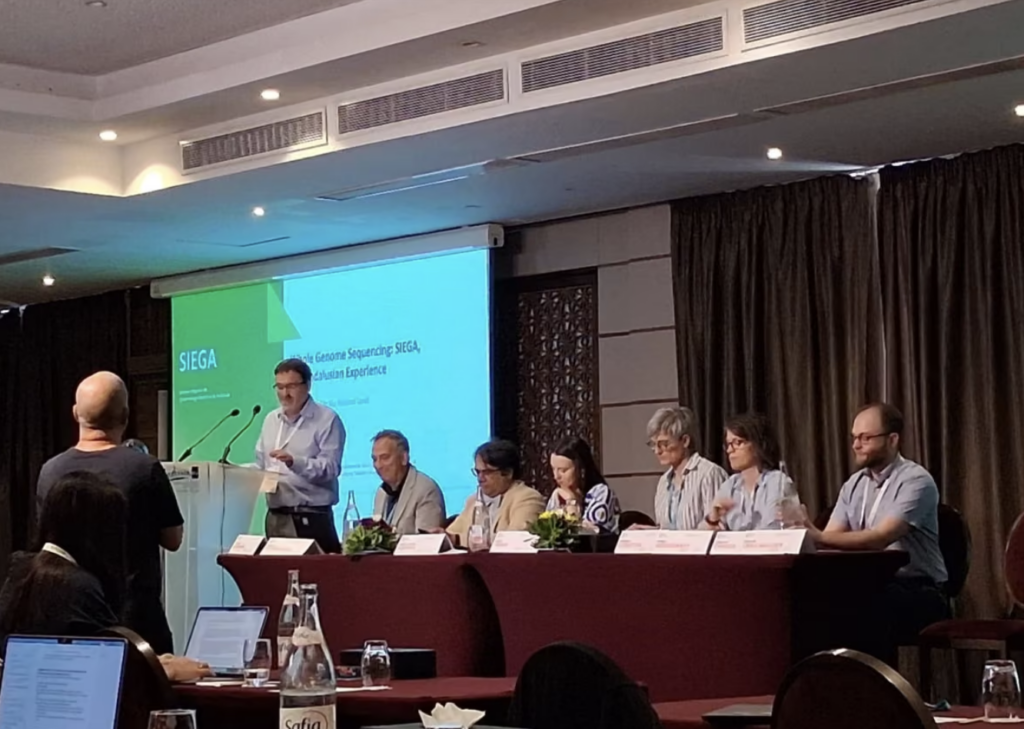
The Junta presented the technology at the 16th Global Microbial Identification Congress, held in Tunisia on September 24 and 25.
More than 11,600 sequences
SIEGA currently contains 11,681 genomic sequences collected in Andalucia from 11 pathogens and other monitored agents.
These include bacteria responsible for foodborne diseases, such as Salmonella, Listeria and Campylobacter.
The system also monitors environmental pathogens including Legionella and clinically important infections such as tuberculosis.
More than 7,400 HIV sequences dating back to 2012 are also incorporated into the platform.
When contributions from Catalonia, the Valencian Community and Spain’s Food Safety and Nutrition Agency are included, the combined network contains more than 12,800 sequences.
How does the system work?
Scientists compare hundreds or thousands of genes within each strain of a pathogen.
This allows them to determine whether two bacteria are practically identical – suggesting active transmission – or merely belong to the same broad type without any direct epidemiological relationship.
SIEGA automatically issues an alert when it detects groups of genetically identical or closely related strains.
Public-health teams can then investigate whether the patients share a common food product, restaurant, workplace, geographical area or another source of infection.
The platform follows the ‘One Health’ approach, which treats human, animal, food and environmental health as interconnected.
For example, it could help connect a human infection to bacteria detected on a farm or inside a batch of food already being distributed to consumers.
Andalucian project expands nationally
SIEGA began as an Andalucian pilot project in 2019 and became operational in 2020.
Catalonia joined the system in 2024 and has contributed more than 600 genomic sequences, while the Valencian Community added another 570 after joining in 2025.
Spain’s Food Safety and Nutrition Agency activated its own section of the platform this year for genomic monitoring related to food safety nationwide.
Each participating organisation retains control over its own raw data, but alerts can cross between the separate databases.
This means the system can identify a possible outbreak affecting several Spanish regions without requiring each authority to surrender control of its information.