
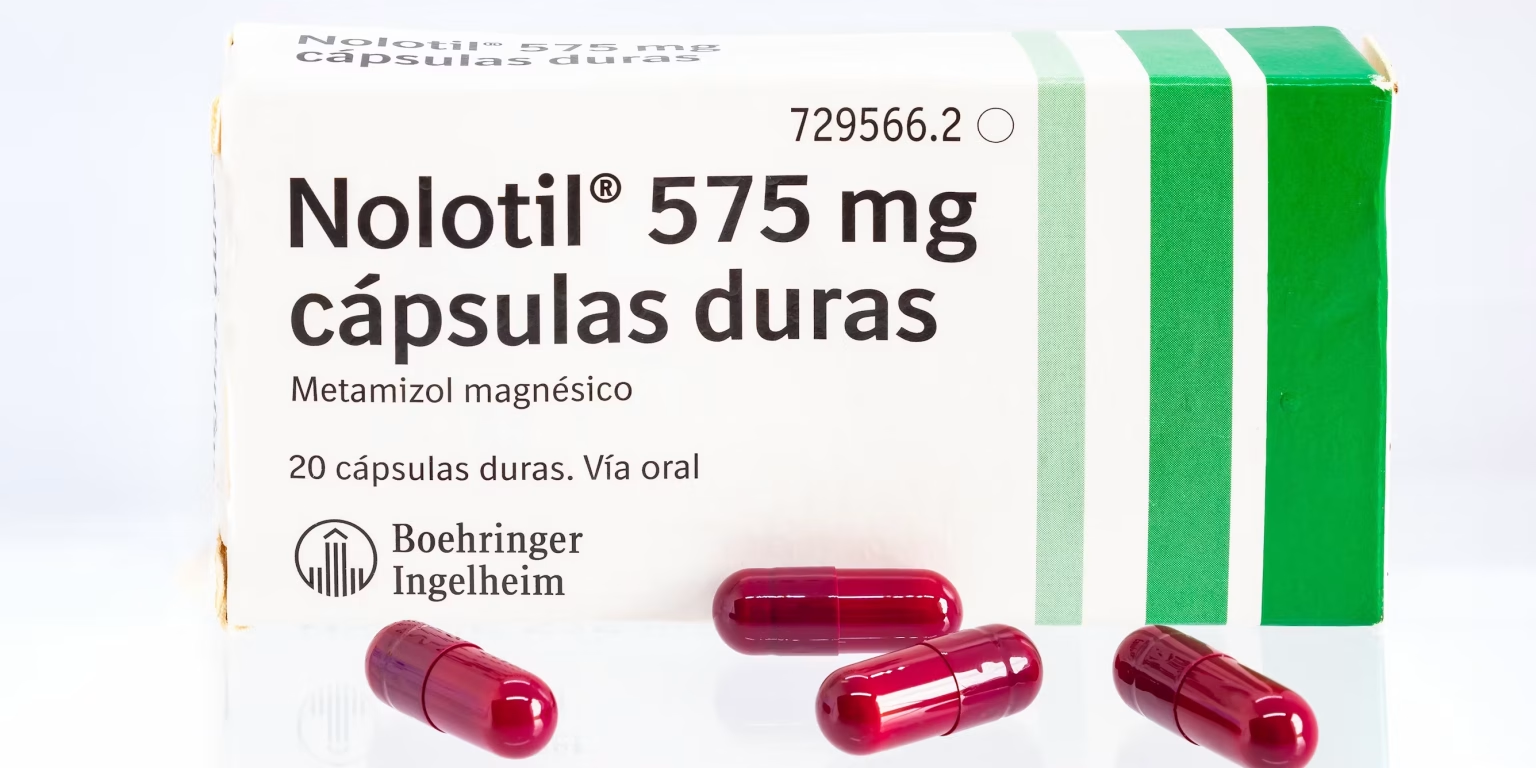

At least seven British patients died over two years in Alicante after developing a severe blood disorder linked to the painkiller metamizole, it has emerged.
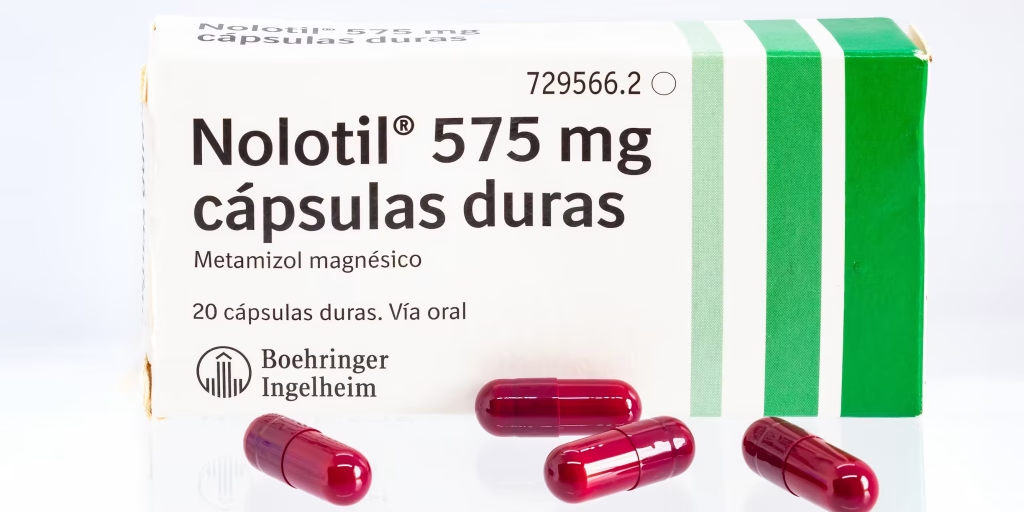
The findings come from a previously unpublished medical report obtained by El Pais, and have renewed concerns about the drug, which is sold in Spain under brand names including Nolotil.
The report, prepared for the Valencian regional government in 2019, examined hospital cases during 2016 and 2017 across five health districts, comprising Denia, Villajoyosa, Torrevieja, San Juan and Orihuela.
It identified 41 patients hospitalised with agranulocytosis associated with metamizole.
Of these, 26 were British and 11 Spanish, with one patient each from Denmark, the Netherlands, Sweden and Morocco.
Seven British patients and two Spanish patients died, according to the report.
Agranulocytosis involves a sharp fall in certain white blood cells, leaving patients vulnerable to serious and potentially fatal infections.
The research has now been presented at hospital pharmacy conferences, bringing fresh attention to data that had not previously been made public.
Researchers reviewed patients’ medical records to confirm metamizole use in the month before admission and excluded cases where other conditions or medicines could explain the blood disorder.
Their calculations suggested substantially higher rates among British patients than Spanish patients.
One comparison estimated around one case per 151 British patients treated, against approximately one per 12,000 Spanish patients.
Those estimates, however, are contested. The Spanish medicines agency, AEMPS, told El Pais that the report’s descriptive design, calculation methods and lack of control for potential biases did not allow reliable conclusions about incidence or relative risk.
The figures therefore cannot be treated as an established estimate of an individual British patient’s risk.
AEMPS also maintains that available evidence cannot confirm or rule out greater susceptibility among particular ethnic or genetic populations.
A separate agency-backed study published in 2024 found agranulocytosis was very uncommon but occurred more frequently with metamizole than with the comparison painkillers.
However, it did not distinguish patients by country of birth, leaving the question of British susceptibility unresolved.
The European Medicines Agency’s 2024 review concluded that metamizole’s benefits continued to outweigh its risks, while requiring stronger information to help patients recognise complications.
The Alicante findings also raise questions about reporting. AEMPS told El Pais it could not establish whether the nine deaths had been entered into Spain’s adverse-reaction database because the information was anonymised.
Family medicine specialist Vicente Palop criticised the lack of transparency, arguing that more work was needed to establish the true scale of serious reactions among both foreign and Spanish patients.
Patients taking metamizole should remain alert to fever, chills, a sore throat or painful sores in the mouth, nose, throat or genital area.
European regulators advise stopping the medicine and seeking immediate medical attention if these symptoms develop, including shortly after treatment ends.