
While much of Andalucia swelters through another summer of extreme heat, there are pockets of Malaga province where temperatures remain more bearable.
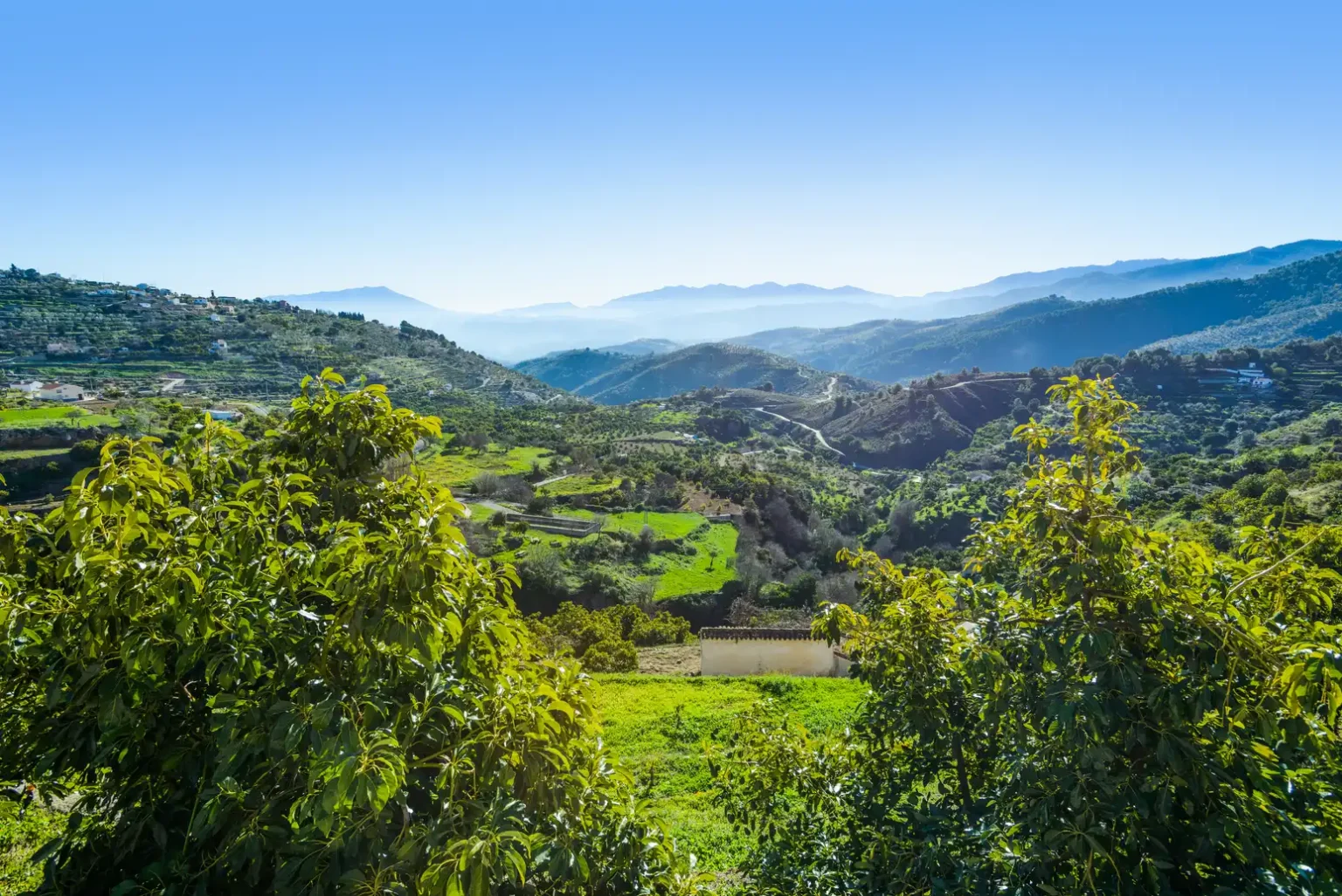
Just over an hour separates the beaches of the Costa del Sol from the mountain villages surrounding the Sierra de las Nieves National Park, where altitude can provide some relief from the oppressive temperatures experienced elsewhere.
While the Guadalquivir Valley and other parts of inland Andalucia can regularly exceed 40C during the hottest spells, the higher elevations of the Sierra de las Nieves mean conditions are generally several degrees cooler.
In towns such as Yunquera, Tolox and Casarabonela, summer daytime temperatures are typically much more manageable, with highs rarely straying far beyond the 30C mark outside the most intense heatwaves.
The difference can become even more noticeable after sunset, when temperatures fall and the mountain air blows through.
Yunquera: A mountain refuge at almost 700 metres
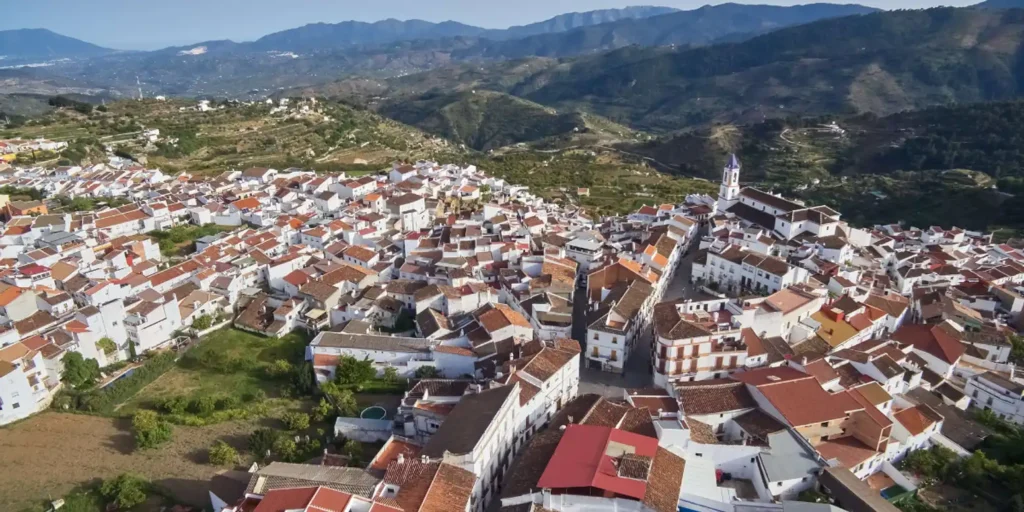
Perched at around 680 metres above sea level, Yunquera is one of the highest of the five towns and an obvious candidate for anyone trying to escape the worst of the Andalucian heat.
August is one of its liveliest months as the town puts on workshops and concerts throughout the summer.
Yunquera has two images of the Virgen del Carmen, one of which is popularly known as the Virgen Chiquita or Virgen de Porticate.
The image visits sick residents before the town prepares for its major celebrations. On August 13 there is a floral offering accompanied by the Coro Romero Virgen del Carmen, followed two days later by the procession and Romeria de Porticate, with music, charangas and concerts continuing into the night.
Away from the festivities, visitors can explore Yunquera’s historic centre and old Arab quarter, discover its numerous fountains, visit the restored church of Nuestra Señora de la Encarnacion and see the Torre Vigia and Paco Sola museum.
Its position also makes Yunquera an excellent base for discovering the pinsapo forests of the Sierra de las Nieves.
Tolox: Cool mountain air and a century-old explosion of tradition
Tolox sits surrounded by the mountains of the Sierra de las Nieves, providing another refuge from the fiercest summer temperatures.
Its setting has long made the town a destination for people seeking a restorative break from city life.
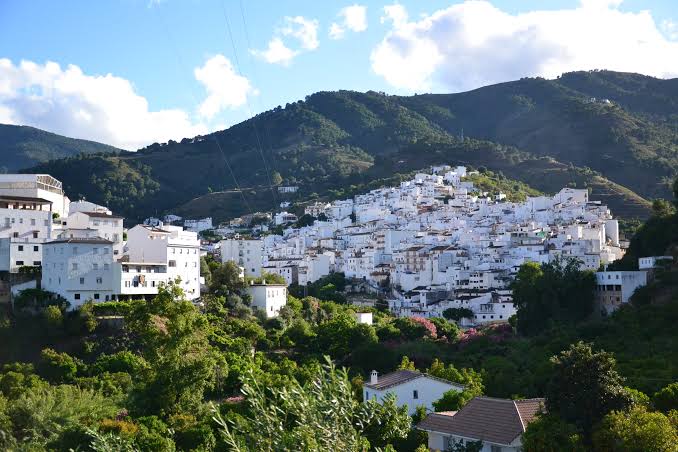
Indeed, Tolox is historically famous as a spa town, thanks to the mineral properties of its waters and its renowned balneario.
But there is little tranquillity on August 16.
Every year the town celebrates La Coheta, a spectacular century-old tradition in which enormous numbers of rockets are fired as the image of San Roque makes its way through the streets.
Each rocket traditionally represents a promise, expression of gratitude or request made to the saint, with clouds of white smoke enveloping the town during one of Malaga province’s most unusual religious celebrations.
For visitors looking for something quieter, Tolox offers waterfalls, historic Andalusi trails, the Museum of Popular Arts and Customs and buildings associated with the Spanish Inquisition.
There is also Artolox, an annual project that transforms parts of the village with works created by artists from Spain and abroad.
And when the festivities end and the sun goes down, its mountain location comes into its own, with fresher evenings offering relief from the relentless heat experienced at lower elevations.
Casarabonela: An Andalusi village clinging to the mountainside
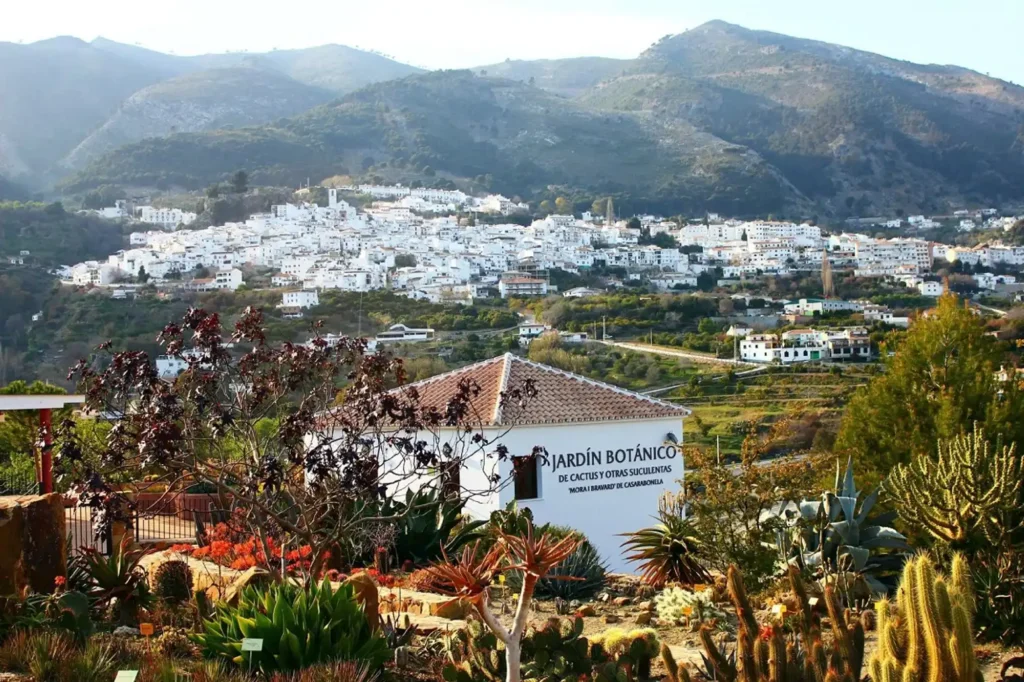
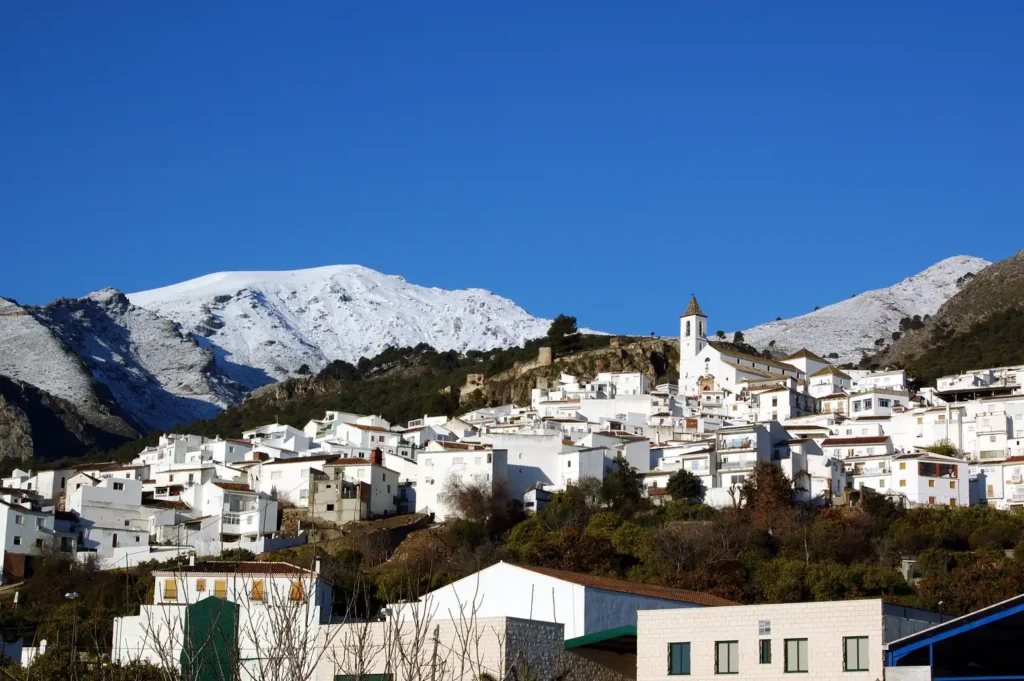
At around 500 metres above sea level, Casarabonela appears to cling to the slopes of the Sierra de las Nieves.
Its position provides spectacular views across the Guadalhorce Valley and some welcome elevation when southern Spain is baking below.
The town’s narrow, steep and whitewashed streets retain much of the layout inherited from its Andalusi past, making simply wandering through Casarabonela one of the best ways to explore it.
Above the town stand the remains of the ninth-century Arab castle of Qasr Bunayra, while the parish church of Santiago Apostol reflects the centuries of history that followed the Christian conquest.
Casarabonela is also home to one of its more unexpected attractions: the Botanical Garden of Cacti and Succulents, containing more than 2,500 species from around the world.
The town’s summer calendar continues throughout August following its main feria, with concerts, cultural events and activities adding to its appeal as somewhere to spend more than a few hours.
And its cooler mountain setting means visitors can enjoy something that becomes increasingly valuable during an Andalucian summer: sitting outside in the evening without feeling as though they are trapped inside an oven.
Read more Andalucia news at the Spanish Eye.