A ‘flesh-eating’ bacteria is becoming more common in the Mediterranean as rising sea temperatures create increasingly favourable conditions for it to thrive, experts have warned.
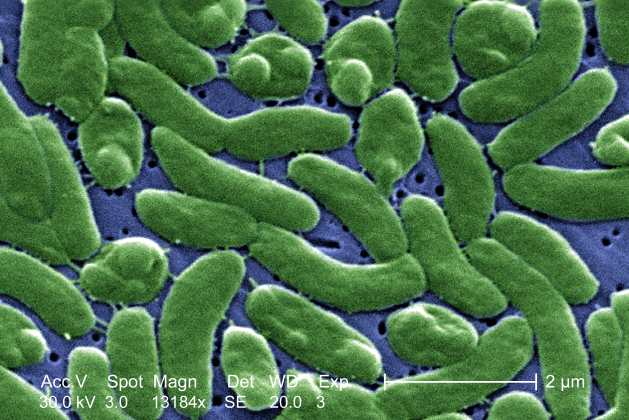
The microorganism, Vibrio vulnificus, naturally lives in warm, brackish coastal waters where fresh and salt water mix, such as river mouths and estuaries.
Scientists say climate change is allowing it to spread further across the Mediterranean than in previous decades.
While infections remain rare, the bacteria can cause severe illness and even death in some cases.
According to the European Food Safety Authority (EFSA), Vibrio bacteria can be found naturally in warm coastal waters and shellfish.
People can become infected by eating contaminated seafood or through open wounds exposed to infected seawater.
If contracted through contaminated food, symptoms can include diarrhoea, stomach pain, nausea, vomiting, fever and chills.
However, the greatest concern surrounds Vibrio vulnificus, which can trigger a rapidly spreading soft tissue infection known as necrotising fasciitis if it enters the body through cuts, grazes, recent surgical wounds, piercings or fresh tattoos.
The bacteria can also enter the bloodstream, causing sepsis – a life-threatening reaction to infection – and in some cases patients require amputations to stop the infection spreading.
According to the US Centers for Disease Control and Prevention (CDC), around one in five people infected with Vibrio vulnificus die, sometimes within just one or two days of becoming ill.
People most at risk of developing severe illness include those with weakened immune systems, chronic liver disease, diabetes and older adults. Healthy people usually recover without serious complications.
Health experts stress that the infection cannot spread from person to person. Humans become infected only through exposure to contaminated seawater or seafood.
Although the bacteria has existed naturally for decades, researchers say warming seas are helping it expand into new areas.
The Mediterranean was previously considered less suitable for Vibrio because of its naturally high salinity. However, rising water temperatures are changing those conditions.
Sea surface temperatures have climbed steadily since May, with parts of the Mediterranean approaching 30C by the end of June – temperatures more commonly associated with tropical waters.
Scientists have long described the Mediterranean as one of the regions most vulnerable to climate change, with its waters warming faster than many other seas around the world.
Experts warn that warmer seas not only increase the risk of bacteria such as Vibrio, but also contribute to longer jellyfish seasons, more tropical nights and greater atmospheric energy that can fuel powerful late-summer storms and episodes of severe flooding.