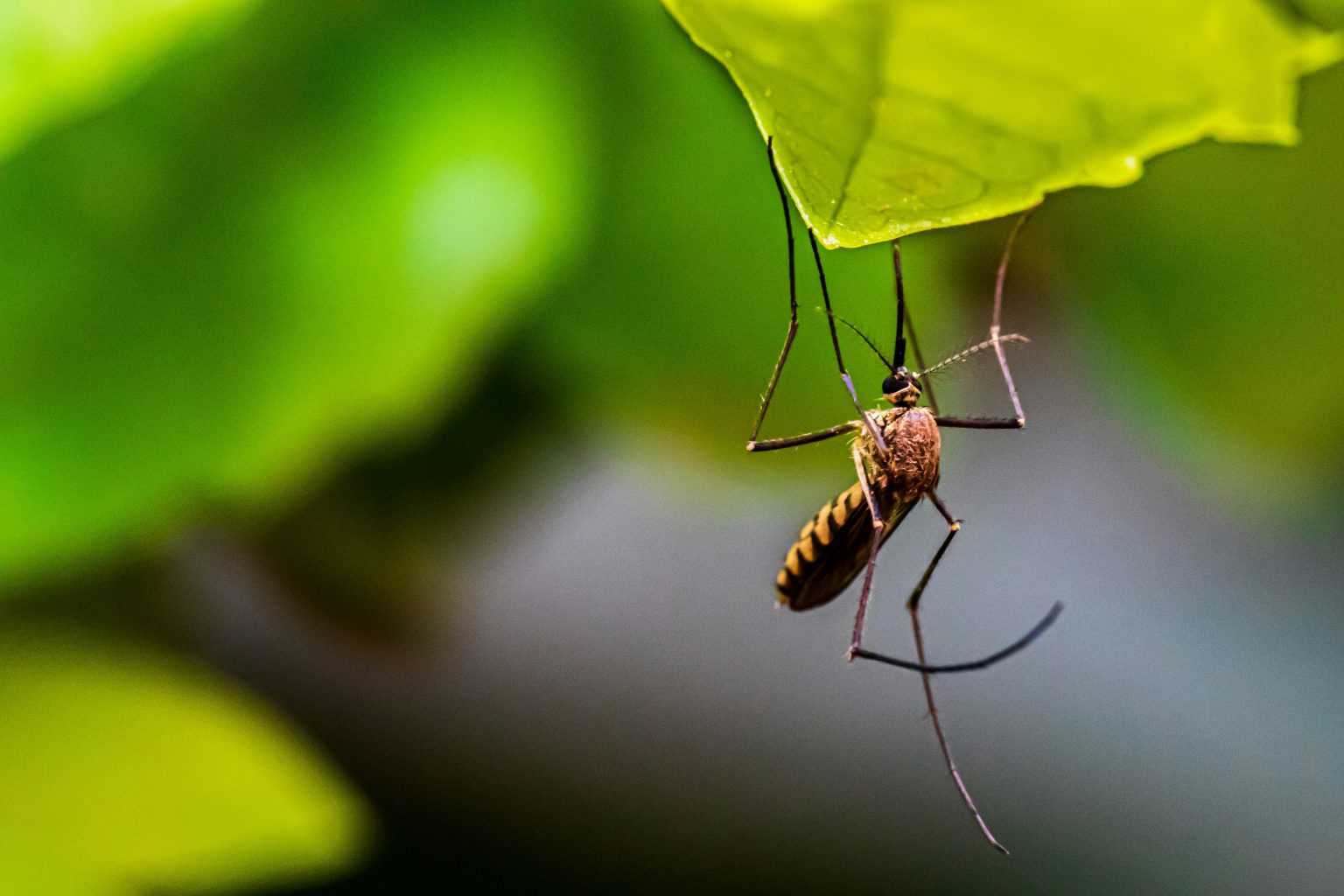

Spain could be facing an unusual explosion of mosquitos in the coming weeks after one of the wettest winters in recent years – and rising temperatures are about to make things worse.
Heavy rain has left fields waterlogged and countless pools of standing water across the country. Now, with the mercury climbing, experts say conditions are perfect for a surge in mosquito populations.
Jordi Figuerola, researcher at the Doñana Biological Station (CSIC), has warned there will be more mosquitoes than usual this season and is urging town halls to urgently review their prevention plans.
‘Fumigating for the sake of fumigating is useless. You have to treat when there are mosquitos,’ he said, stressing that the priority now is removing stagnant water from containers and neglected spaces, where the insects breed most rapidly.
Councils already on alert
According to Figuerola, provincial authorities in Sevilla and Huelva have already activated their mosquito control programmes – earlier than usual – because of the high rainfall and flooded farmland.
‘With so much rain, there are many more breeding sites. And when temperatures rise like they are now, mosquitoes reproduce much more easily,’ he explained.
The expert also warned that abandoned properties can quickly become hotspots. If residents detect large numbers of mosquitos in such areas, they should alert their local council immediately.
‘Treatments must be done properly’
While fumigation can work, Figuerola cautioned that it must be targeted and sustained.
Authorities need to monitor areas carefully to detect mosquito larvae and carry out intensive treatments throughout the season.
‘Plans must not just exist on paper – they have to be implemented effectively,’ he said.
He also stressed the importance of correctly identifying insects before launching control measures.
West Nile risk areas
The Lower Guadalquivir area has traditionally faced mosquito problems, particularly linked to the West Nile virus. The La Janda region in Cadiz and parts of the Malaga coast are also areas where vigilance is recommended.
The main carriers of West Nile virus are Culex pipiens and Culex perexiguus. Other species – such as the invasive tiger mosquito (Aedes albopictus) – bite humans aggressively but are not considered strong transmitters of the virus.
However, the tiger mosquito continues to expand across Andalucia, adding to concerns ahead of what could be a long, buzzing spring and summer.
Read more Andalucia news at the Spanish Eye.