
One of the first questions buyers ask when looking at property in Spain is deceptively simple: how long does the process actually take?
The honest answer is that Spain does not have a fixed or legally imposed timetable for property purchases.
A sale can be completed quickly – or it can drag on for months – depending on how well prepared the property is and how professionally the transaction is handled.
When a home is legally ready for sale and managed by a competent, registered agent, most transactions follow a predictable and logical structure. Understanding that structure helps buyers stay calm, informed and in control.
The typical buying timeline in Spain
For a property that is correctly marketed and legally in order, the process often looks like this:
- Reservation agreement: usually within 24 hours
- Private purchase contract: around two weeks later
- Completion at the notary: one to two weeks after that
In practical terms, many purchases complete in three to five weeks from accepted offer to keys in hand.
Step one: The reservation agreement
Once buyer and seller agree on price and basic terms, the property is normally reserved with a €3,000 deposit and a short reservation agreement. This step is often completed within a day.
The reservation agreement temporarily removes the property from the market and confirms the agreed price, while giving both sides a brief window to proceed with legal checks. It offers reassurance without fully locking either party into the transaction.
The €3,000 figure is intentional. It demonstrates serious intent from the buyer without exposing them to significant risk at a very early stage. Used properly, this deposit creates clarity – not pressure.
Step two: Legal checks and the 10% contract
Roughly two weeks after the reservation, buyer and seller sign the private purchase contract (contrato de compraventa).
At this point, the buyer pays 10% of the purchase price, minus the initial reservation amount.
This is the moment the deal becomes legally binding.
The two-week period allows lawyers to carry out essential due diligence, including:
- Confirming ownership and title deeds
- Land Registry checks
- Planning permissions and compliance
- Verifying boundaries, extensions, pools or terraces
- Checking community fees, local taxes and utilities
These checks are particularly important for rural homes, village houses and older properties, where historic alterations are common.
Wood stresses that many delays in Spain occur because this work is left too late. When checks are carried out before a property is marketed, buyers can move forward with far more confidence.
Step three: Completion at the notary
Completion typically takes place one to two weeks after the private contract is signed.
At the notary:
- The remaining balance is paid
- The public deed (escritura) is signed
- Ownership transfers immediately
- Keys are handed over
Buyers can attend in person or complete via power of attorney if they are abroad.
Why the short wait?
This gap is practical rather than legal. It allows time for final bank transfers, mortgage releases (if applicable), and notary scheduling.
Is this timeline guaranteed?
No, and that’s an important point.
Spain does not impose a standard buying calendar. Timings vary depending on the region, the municipality, the property type and, crucially, whether the paperwork is in order.
If you are dealing with a luxury property above the €1million mark, for example, it could take months to close the deal.
But speed is not the real goal. Certainty is.
Why professional agents follow this structure
Experienced, registered agents tend to follow a similar staged approach because it balances momentum with protection.
Good signs you’re dealing with a professional include:
- Clear explanations of each stage
- Sensible, phased deposits
- Encouragement of legal checks
- Realistic timelines
- No pressure to rush
A fast sale means nothing if legal problems appear later.
When purchases take longer
Delays usually arise when issues emerge such as:
- Unresolved planning permissions
- Incomplete inheritances
- Registry discrepancies
- Missing licences
- Paperwork that needs regularising
A competent agent identifies these early. A poor one doesn’t.
What buyers should remember
Buying property in Spain doesn’t have to feel chaotic or risky.
With proper preparation, transparent checks and staged commitments, buyers always know:
- What they are signing
- When their money is at risk
- And why each step exists
As I often say, a good purchase isn’t about speed, it’s about doing things in the right order.
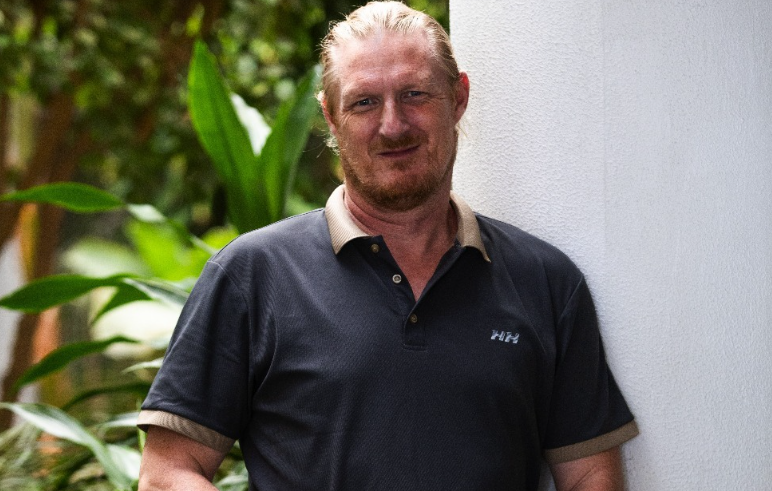
Mathew Wood, co-founder of Hola Properties, has more than 30 years of experience in real estate, and has dealt with international sales at the highest level. He previously started the number one rated agency in the UK and has a vast network of contacts across Northern Europe, the USA.