
Inflation is easing in Malaga province, but at such a slow pace that many households are barely noticing the difference, particularly as supermarket prices remain stubbornly high.
According to the latest Consumer Price Index (IPC) figures published on Thursday by Spain’s Instituto Nacional de Estadística (INE), prices in Malaga rose 3.2% year-on-year in 2025.
The rate is unchanged from the end of 2024 and remains higher than both the Andalucian average (2.8%) and the national figure (2.9%).
Shopping basket up 34% in five years
Although this is the lowest annual inflation rate recorded in Malaga in the past five years, far below the peaks of 6.9% in 2021 and 6.1% in 2022, the cost of living remains under pressure.
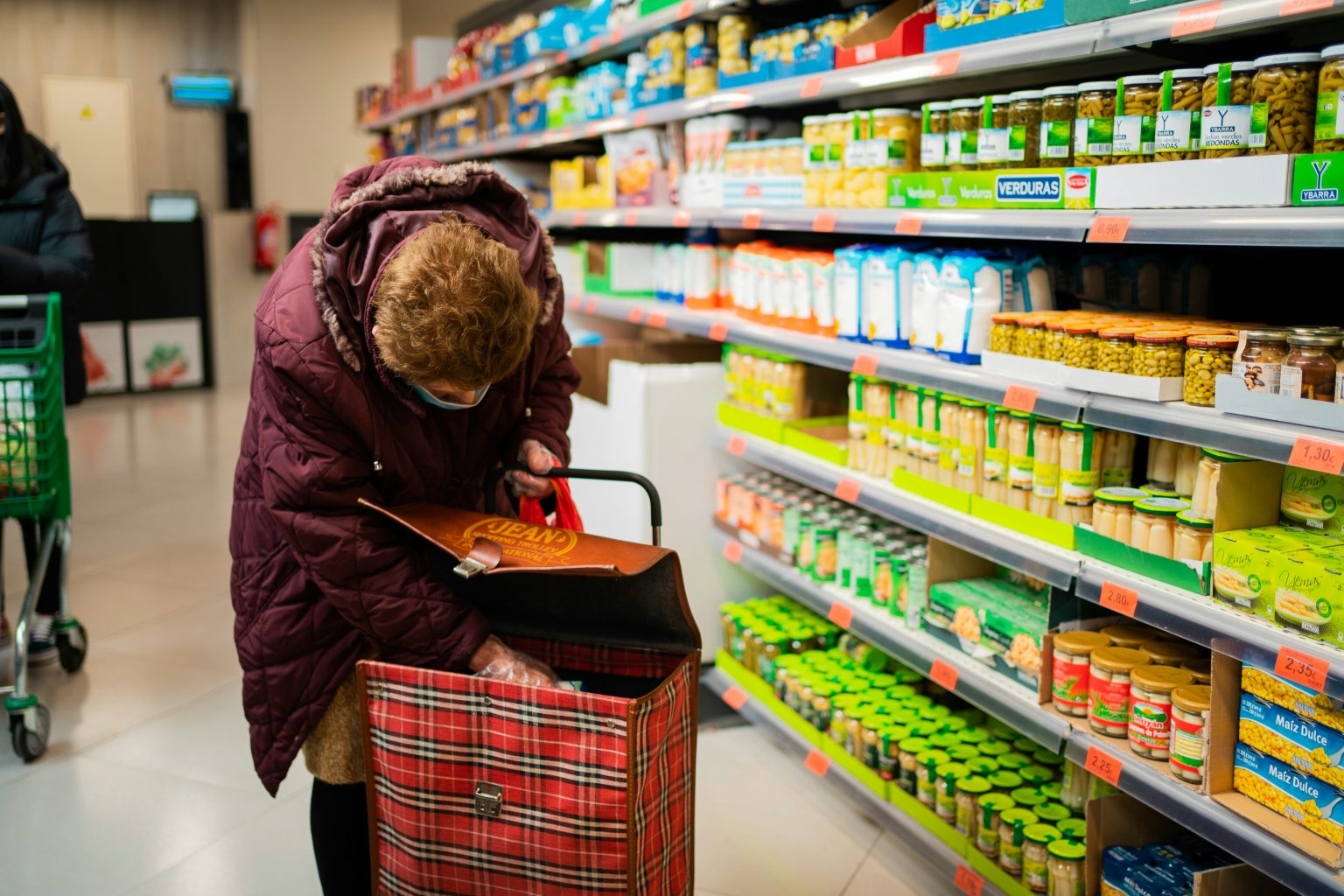
The reason is because the average shopping basket continues to be expensive. Over the last five years, the cost of everyday groceries has risen by 34%, significantly eroding household purchasing power.
In 2025 alone, food and non-alcoholic drinks increased by 2.9%, a notable rise and two percentage points higher than in 2024 (0.9%), although well below the dramatic increases seen in 2022 (17.2%) and 2023 (6.9%).
Food prices were flat in December, despite the Christmas period, but rose 0.5% in November and 1.7% in October, following a summer quarter in which prices fell by 1.3%. The largest monthly increase of the year came in May (0.7%).
Housing and utilities push inflation higher
Alongside food, the biggest drivers of inflation in Malaga over the past year were housing and utility costs. Prices for housing, water, electricity, gas and other fuels increased by 5.8%.
Within that category:
- Rents rose by 4.4%
- Electricity and gas costs surged by 9.9%
Other notable increases included:
- Alcohol and tobacco: +4.9%, driven largely by cigarettes, which are 7.5% more expensive
- Health-related goods and services: +4.6%
- Clothing and footwear: +3%
Smaller rises were recorded for furniture and household items (+1.6%), transport (+1.1%) and communications (+1.8%).
Malaga tops inflation rankings in Andalucia
Within Andalucia, Malaga recorded the highest inflation rate, followed by Sevilla (2.9%). Other provinces remained below the regional average, including Cadiz and Cordoba (2.7%), Huelva, Almeria and Granada (2.6%), and Jaen (2.3%).
Nationally, Malaga ranked as the fifth most inflation-hit province in Spain in 2025, behind Madrid (3.7%), Castellon (3.6%), Salamanca (3.4%) and Alicante (3.3%).
Eggs, beef and coffee lead food price rises
Across Spain, eggs recorded the sharpest annual price increase in December, up 31.3%, followed by:
- Beef: +17.2%
- Coffee: +16.3%
- Chocolate: +12.7%
- Cocoa and chocolate powder: +12%
Other notable increases included edible oils (+9.7%), lamb and goat meat (+7.4%), fresh vegetables and pulses (+7.3%), and nuts (+7%).
On the positive side, olive oil recorded the steepest price drop, falling 31.6% year-on-year. However, prices remain 59.2% higher than in January 2021, and the product has risen for the third consecutive month on a monthly basis, increasing by 1%.