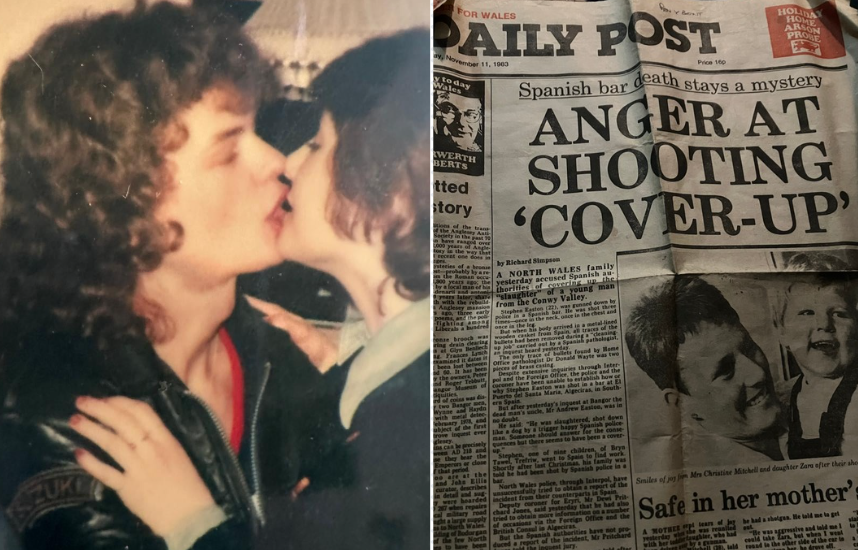

The family of a Welshman shot to death by Spanish police have launched a new quest for the truth some 43 years after his killing, the Spanish Eye can reveal.
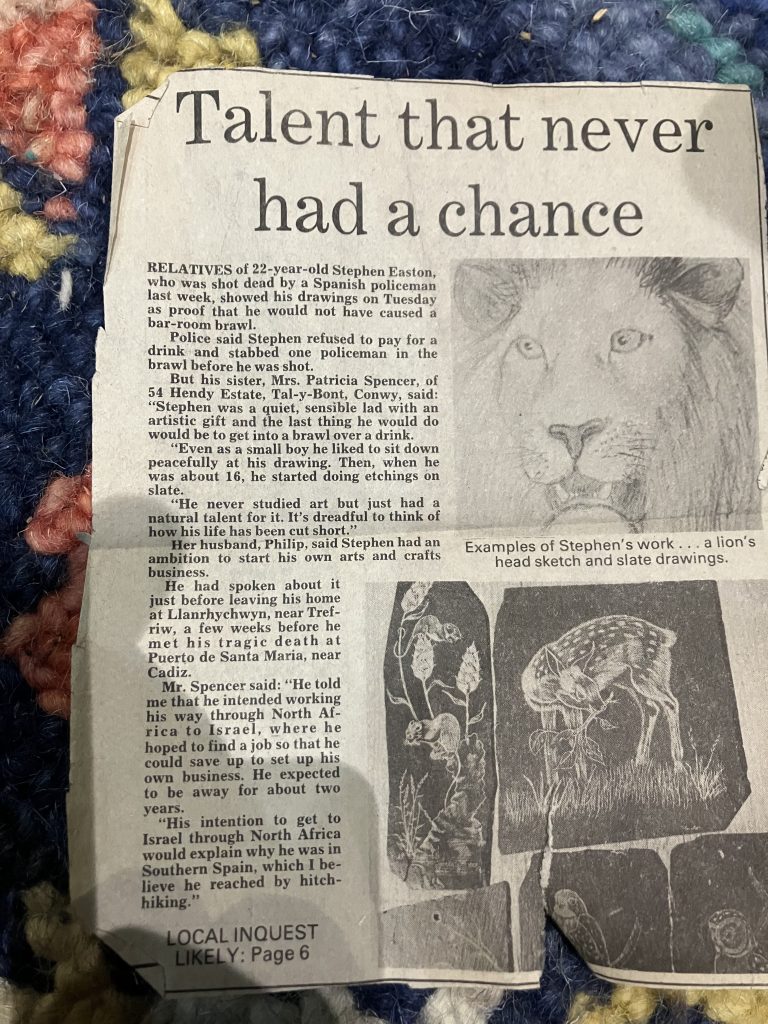
Stephen Easton, from Trefriw, North Wales, was just 23 years old when he was mysteriously slain in a bar in Cadiz in the early hours of December 28, 1982.
The case was never solved, having been plagued by contradicting testimonies and a severe lack of cooperation from the Spanish authorities.
Now, author Richard Dread, who is married to Stephen’s niece, is determined to crack the cold case, and is writing a book about the killing.
He told the Spanish Eye: ‘We just feel that Stephen and the family did not get justice at the time and probably never will.
‘But we can at least get to the truth of what really happened.’
Stephen, a sibling of 10, was described by family members as ‘gentle’ and ‘shy’, a sensitive type who enjoyed drawing and was keen to travel to find himself.
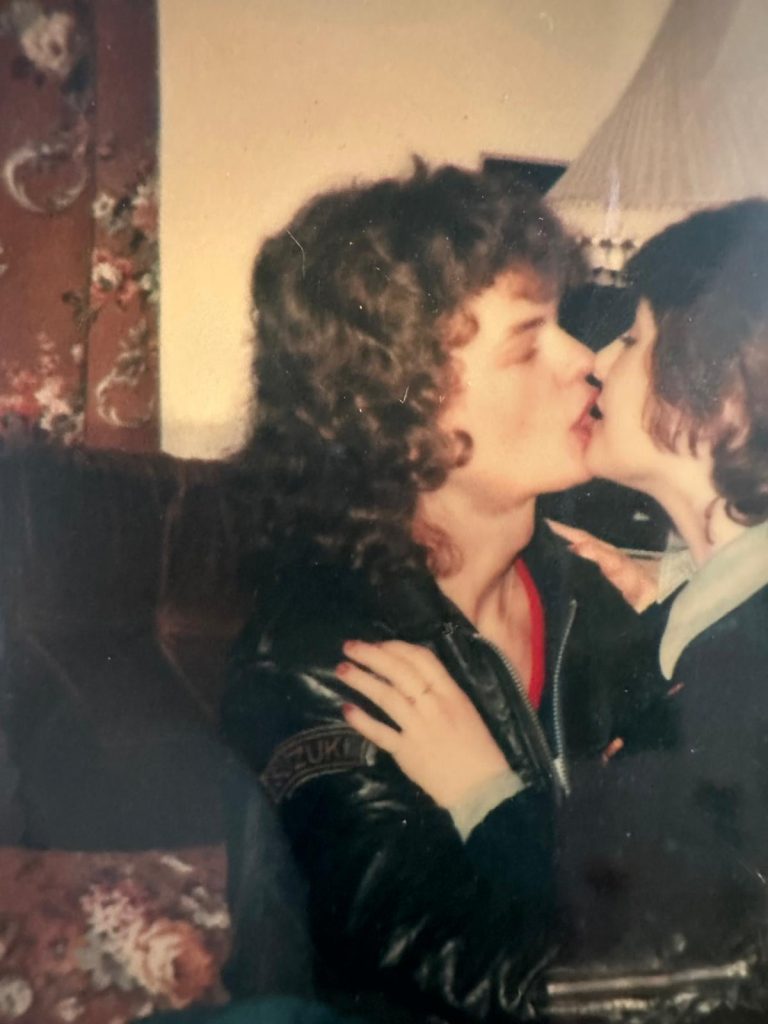
He didn’t have it easy growing up, having been raised by his aunt after his parents tragically drowned in 1967.
By late 1982, Stephen spoke openly of seeking artistic inspiration, spiritual renewal and temporary seasonal work abroad.
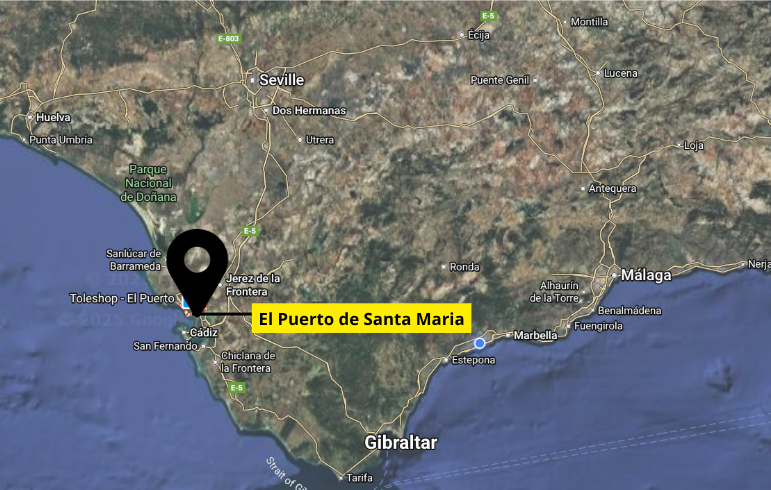
He left Wales for Andalucia and stayed at the Guadalete campsite in El Puerto de la Santa Maria in Cadiz.
The campsite no longer exists, having been redeveloped into a housing complex.
In 1982, Spain, and especially Andalucia, was not as we know it today.
The country was still grappling from its transition into democracy, following four decades of a dictatorship under General Franco.
After his despot’s death in 1975, elements within the military, police and far-right groups feared losing their power and privileges and wanted to revert to authoritarianism.
Neo-fascists like Guerrilleros de Cristo Rey and the Batallón Vasco Español carried out killings and bombings, while security forces still loyal to the old regime committed abuses, often acting with impunity.
Just a year before Stephen was killed, Guardia Civil colonel Antonio Tejero led an armed assault on the Spanish Congress to halt democratisation.
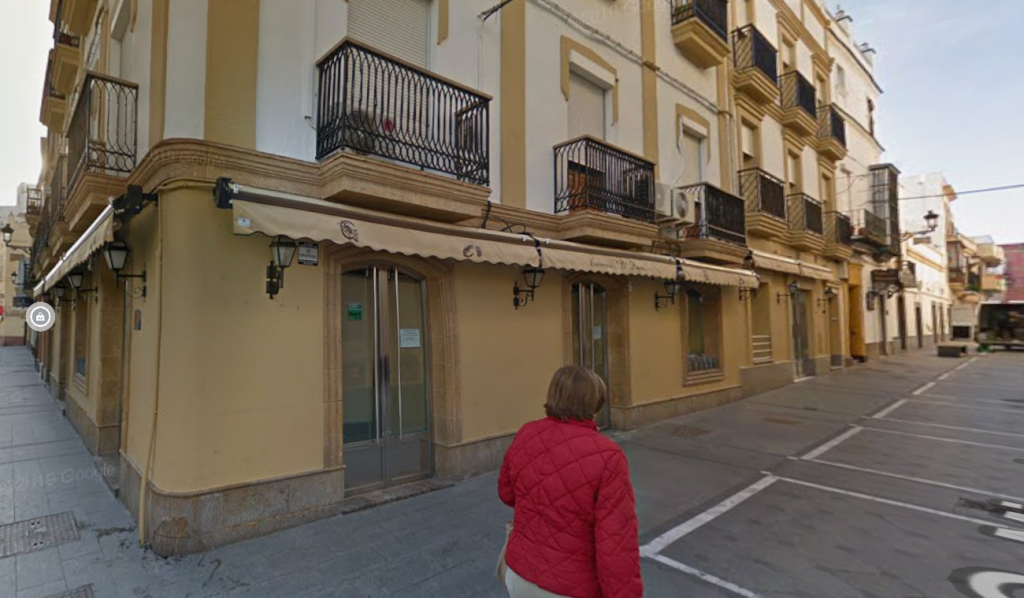
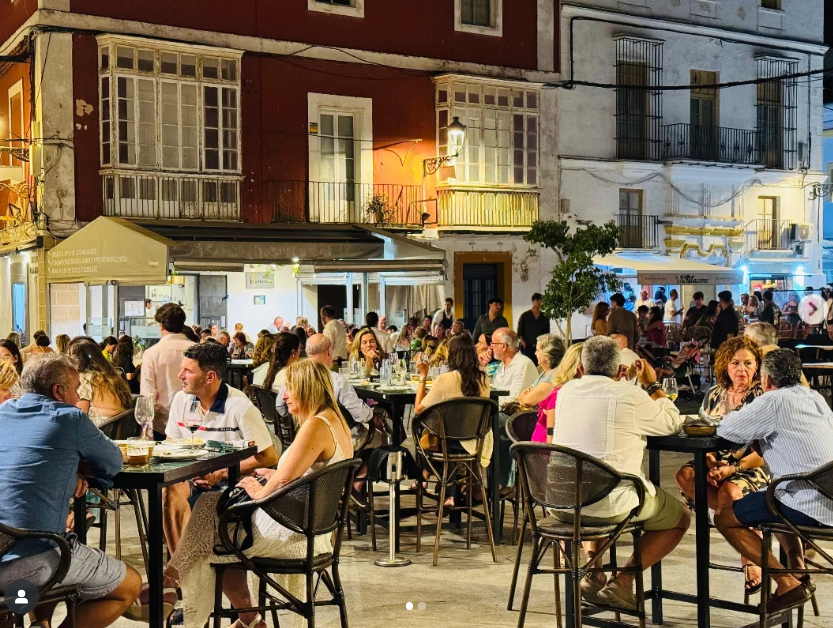
It was in this context that Stephen headed to a bar called Puerto on Calle Rufina Vergara on the fateful night of December 27, 1982. The bar still exists today, albeit under a different name.
At around midnight, according to the Spanish police’s version of events, a dispute began over an 80-peseta drink (around 40 cents in today’s money).
The owner allegedly called the Policia Nacional and two officers are said to have arrived. From there, accounts of what really happened vary.
The Spanish version portrays Stephen as violent and armed with some form of balded weapon.
The police stated that he refused to leave, became aggressive, knocked the officers to the ground and attacked one with a razor.
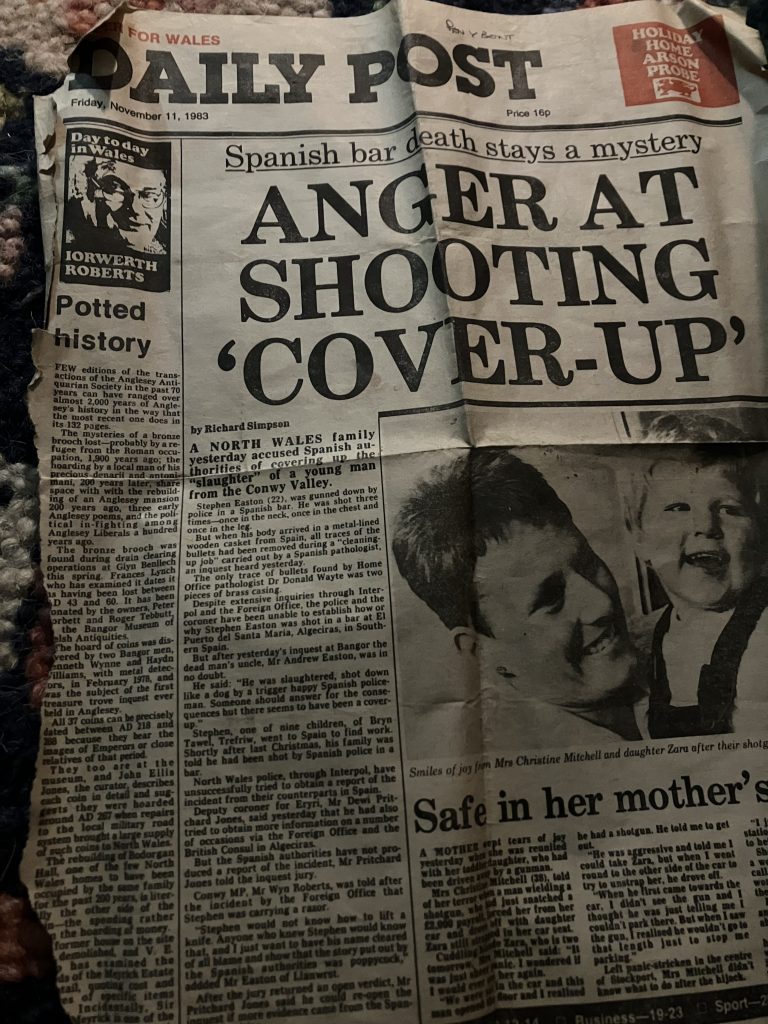
However, no independent witnesses were identified and the alleged weapon was never verified or provided to the Welsh coroner despite repeated requests.
Speaking to the Spanish Eye, Richard said: ‘What is uncontested is that several shots were fired inside the bar. Stephen was struck in the neck, torso and ankle.
‘A waiter, Andrés Genaza Cuardo, was injured in the hip by a stray round.
‘Stephen was taken to a local clinic where emergency surgery was attempted but he died in the early hours of December 28.
‘Spanish newspapers published accounts closely aligned with the official police narrative, but the UK coverage strongly questioned this version of events, citing inconsistencies, the lack of witnesses and Stephen’s well‑established gentle character.’
Welsh MP Wyn Roberts called for a full Foreign Office investigation at the time.
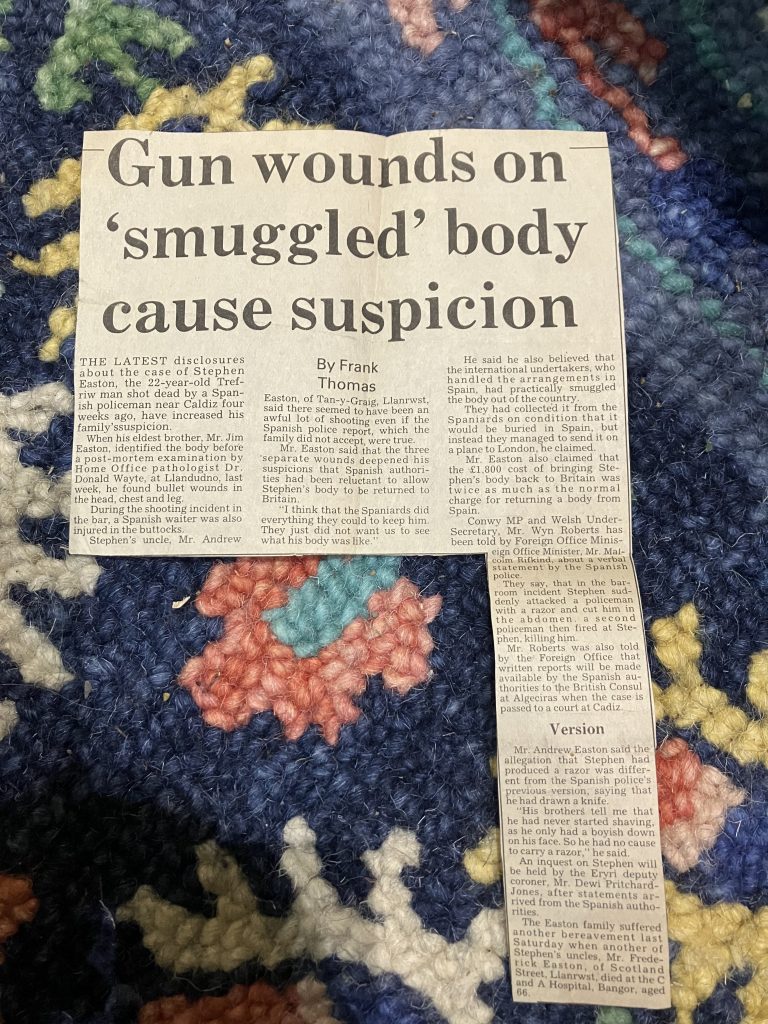
Later, when Stephen’s body was returned to Wales by early January 1983, the coroner, Dr Donald Wayte, identified several serious issues.
Among these was the fact that ballistic evidence that should have been preserved was missing.
Meanwhile, wound trajectories did not align with parts of the Spanish police account and medical details supplied by Spain conflicted with the injuries observed in the UK.
Spanish authorities were also slow to provide complete documentation, while certain requests were never fulfilled.
Between 1983 and 1984 the inquest process continued, and although the coroner confirmed that Stephen died from gunshot wounds he emphasised unresolved contradictions, gaps in evidence and the limitations created by the lack of cooperation from Spain.
He noted that he did not have the authority to summon Spanish officers as witnesses, frustrating his efforts.
The family, despite exhaustion, continued to push for clarity, convinced that Stephen’s behaviour and character did not correspond with the violent actions alleged by the police.
Four decades later, Stephen’s death remains unresolved and there are significant questions unanswered.
Richard is hoping that patrons of the bar who may have been there on the night or know something about the incident will come forward with helpful information.
He also hopes to gain access to Spanish judicial documents that could offer up the names of the people involved, chiefly the officers who responded to the scene before Stephen was fatally shot.
His search for the truth will be assisted by the Spanish Eye. If you have any information that you think could be helpful, contact news@thespanisheye.com.
Read more Andalucia news at the Spanish Eye.