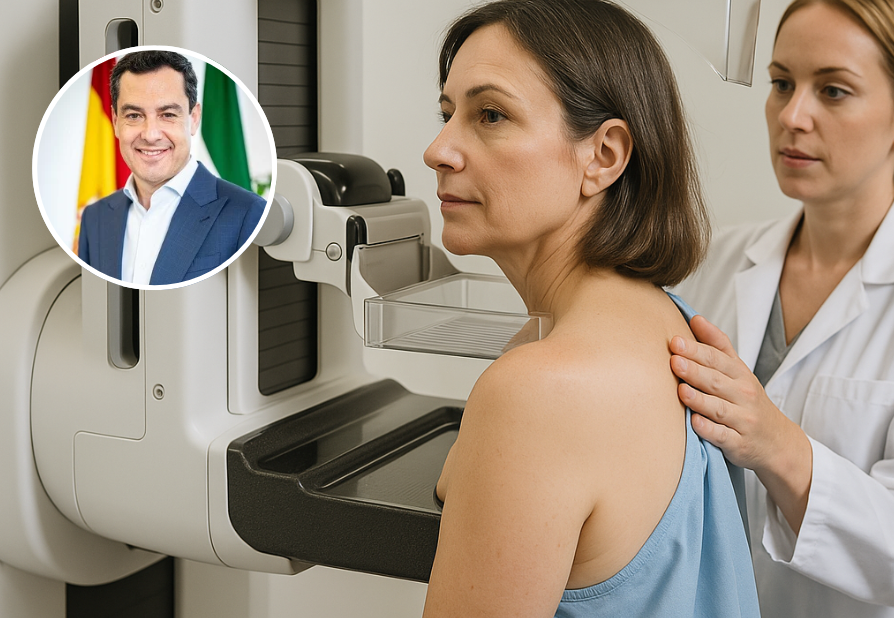

The breast cancer screening crisis in Andalucia has intensified, with the regional government now confirming that 2,317 women were affected by serious delays and failures in the early detection system.
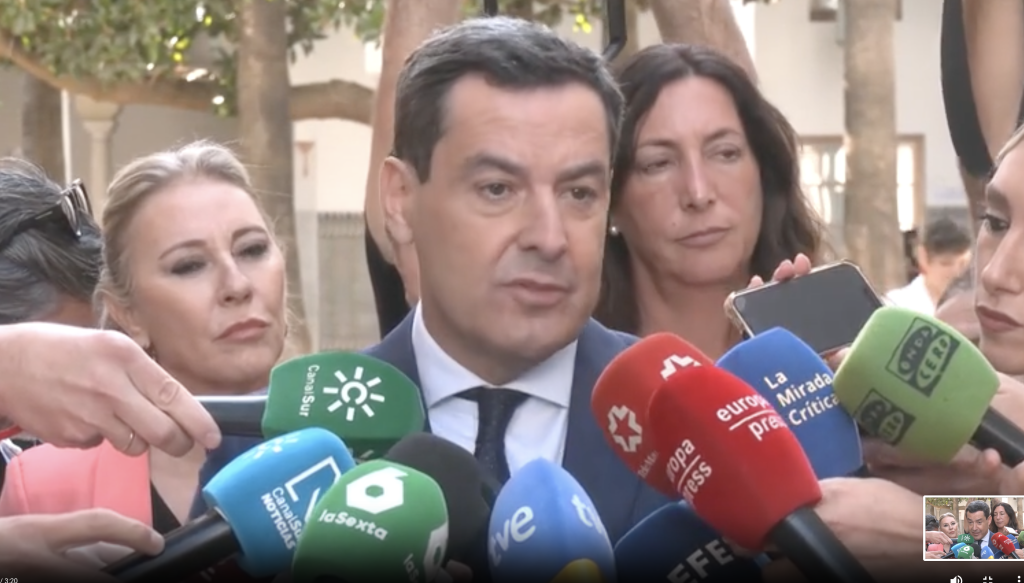
The fallout from the scandal has morphed into a political liability for President Juanma Moreno’s Partido Popular (PP) administration.
The issue centres on patients flagged with ‘probably benign’ findings on routine mammograms who were not recalled for further imaging within the timeframe recommended by clinical guidelines.
According to the regional Health Ministry, around 90% of the affected cases were linked to the Hospital Universitario Virgen del Rocio in Sevilla.
By October 21, 1,778 of the 2,317 women had finally received the follow-up tests originally recommended by radiologists, but many after delays stretching well beyond safe diagnostic margins.
The remaining patients were offered appointments before the end of November, under a rapid-response plan triggered in the wake of public outcry.
The breakdown in communication was first revealed by investigative reporting from Cadena SER, which exposed that hundreds of women were never informed of findings that required further examination.
In many cases, no system was in place to track follow-ups or notify patients. The region’s own technical contractor for the screening system has admitted it does not monitor individual cases.
Criticism has gone far beyond individual missteps. Health experts and patient groups describe the scandal as evidence of systemic failure within Andalucía’s public health service.
Medical associations have pointed to flaws in multiple cancer screening programmes, including colon, cervical, and prostate cancer, where patients reportedly also experience lack of communication regarding their test outcomes.
While many of the flagged cases were deemed ‘low risk’, the central issue is that no risk should go unchecked in an early detection system.
Experts stress that even a small delay in follow-up can allow malignancies to grow or metastasise, turning a manageable case into a life-threatening one.
The political damage is growing. The regional Health Minister, Rocio Hernandez, resigned earlier this month amid growing public and media pressure.
On Friday, Spain’s Deputy Prime Minister and Minister of Finance, Maria Jesus Montero, directly criticised Moreno’s handling of the situation, accusing him of deflecting responsibility and failing to act decisively.
‘This is not about a computer glitch. This is about systemic collapse,’ Montero stated during a public appearance in Cadiz.
‘The excuses are over. The system has failed women, and now the government must provide answers.’
Montero, herself a former Andalusian health minister, rejected PP claims that blame should lie with previous administrations. She emphasised that governance is a current responsibility and noted the gravity of a health failure that affects over 2,000 women.
The Deputy PM also condemned Moreno’s initial public explanation, in which he suggested delays were partially due to a desire to avoid causing patients ‘anxiety’, as patronising and unacceptable.
‘Women are adults. We know how to deal with illness. We don’t need protection from information, we need access to care,’ Montero said, also questioning whether the same rationale would have been used for prostate cancer.
Montero stopped short of calling for Moreno’s immediate resignation, stating instead that voters would have their say ‘when elections are called.’
Several patient advocacy groups, including AMAMA (a breast cancer association based in Andalucía), have announced plans for collective legal action against the regional health service. They are demanding a full investigation, compensation for emotional and medical harm and urgent reform of the region’s screening protocols.
Meanwhile, local authorities governed by the PSOE have begun mobilising protest support.
The scandal has already damaged public confidence in Andalucía’s health system and has the potential to cause lasting political damage.
President Moreno’s leadership is under scrutiny not only for the screening failures themselves, but for his government’s delayed and defensive response. The resignation of the health minister has not stemmed the criticism.
The PSOE has signalled it will continue to pressure the government over this issue through to the next regional elections. The PP, for its part, now faces a critical period in which it must demonstrate transparency, reform and a serious commitment to patient rights – or risk seeing this crisis define its time in office.
The scandal arrives at a time when the PP was already beginning to show signs of vulnerability in the polls.
According to the most recent data from CENTRA, the Junta’s own polling agency, the PP would currently win 40.7% of the vote – down from the 43.1% it secured in the 2022 regional elections.
That would translate into 54 to 56 seats, a drop from its current 58, and critically, below the 55-seat threshold needed for an outright majority in Andalucia’s 109-seat parliament.
Importantly, the survey was conducted between September 15 and October 1, before the resignation of the regional health minister and before the full scale of the breast cancer screening crisis had become public. Analysts believe the figures may have further declined since.
However, despite rising discontent, the opposition PSOE has not capitalised on the PP’s losses. CENTRA estimates Socialist support at 23.3%, slightly below the 24.1% result it achieved in 2022.
This would give the party 26 to 29 seats, compared to the 30 it holds now. Its leader, Maria Jesus Montero, while prominent nationally, continues to trail President Moreno in personal approval ratings.
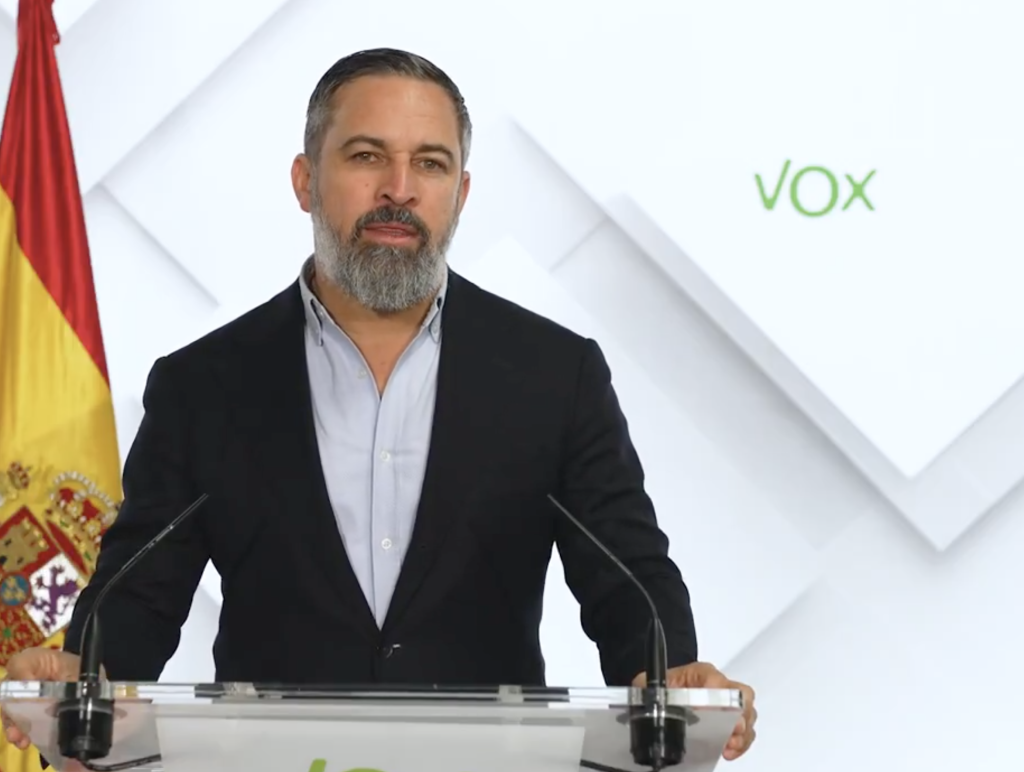
Meanwhile, the far-right Vox party is gaining momentum. With projected support at 15.9% – up from 13.5% – it could see its seat count rise from 14 to between 16 and 18, potentially making it a decisive player in any post-election coalition.
Until now, the PP has ruled without formally allying with Vox at the regional level, but a weakened position may force Moreno to reconsider that stance.
The progressive bloc remains fragmented but slightly more competitive. Por Andalucia–Sumar, polling at 8%, could grow from 5 to 6–8 seats, depending on whether it runs as a unified front. Adelante Andalucía is also polling stronger, up from 4.6% to 6.4%, which could give it 3 seats – one more than it currently holds.
The picture is becoming more volatile. Although the PP remains the dominant party in Andalucía, a failure to hold its majority – compounded by the breast cancer scandal – would open the door to tense coalition talks, a possible deal with Vox, or renewed momentum for an opposition bloc eager to reset the regional agenda.