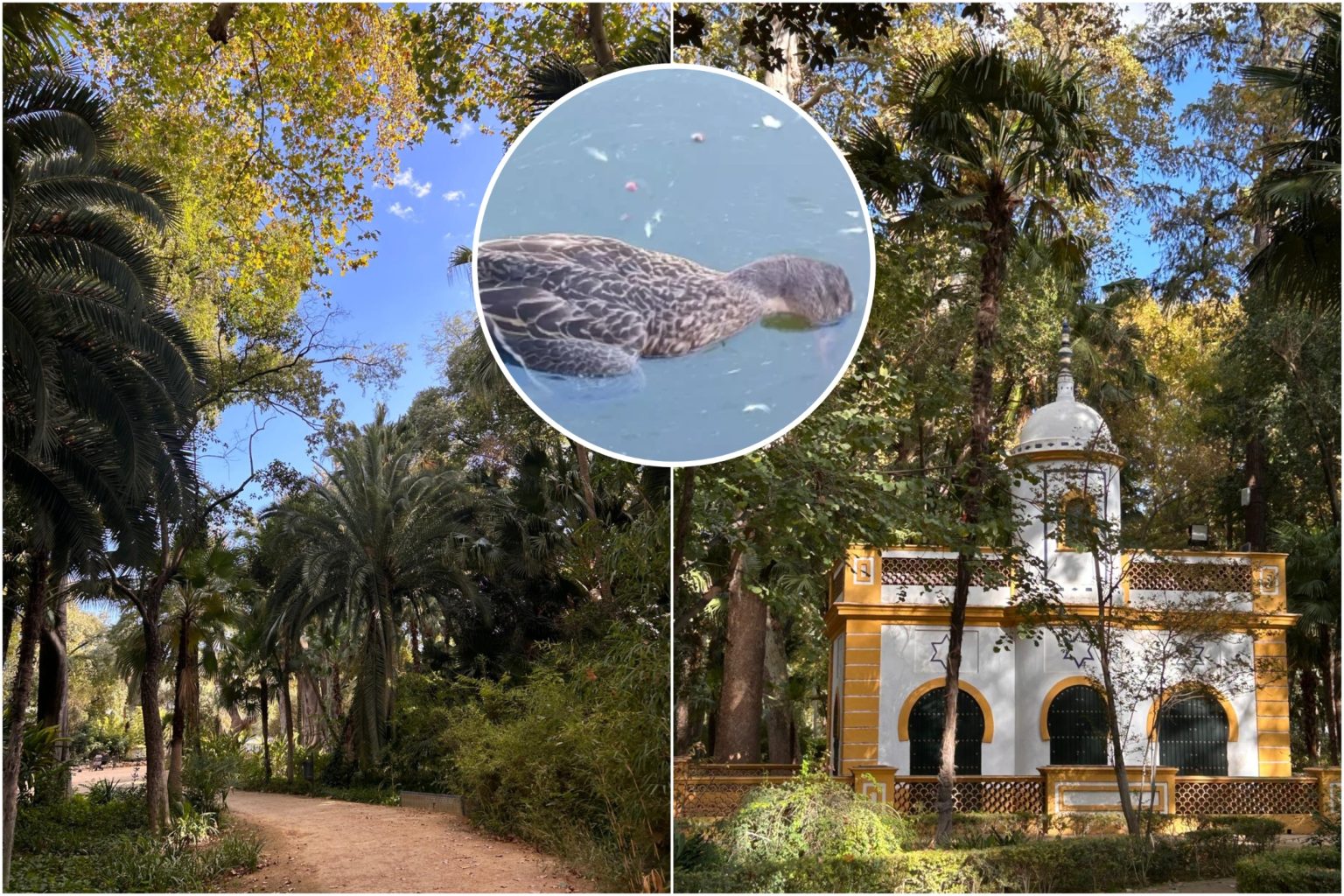

Sevilla has closed the gates of the Maria Luisa park, one of the city’s most famous and visited green spaces, after new concerns about the spread of avian influenza.
The decision comes just days after the Alcazar gardens were shut due to a suspected outbreak, marking another blow to the city’s tourism industry at the height of the autumn travel season.
Local authorities confirmed on Thursday that the park, which borders Plaza de España and draws thousands of tourists every week, will remain off-limits until further notice.
The closure follows advice from public health officials after further cases of highly pathogenic avian influenza (H5N1) were detected in the region.
The Ministry of Agriculture has already reported confirmed outbreaks on poultry farms in Huelva, Badajoz and Toledo, with Cordoba now also under close surveillance following reports of unusual wild bird deaths near wetlands along the Guadalquivir.
Hong Kong cancels orders
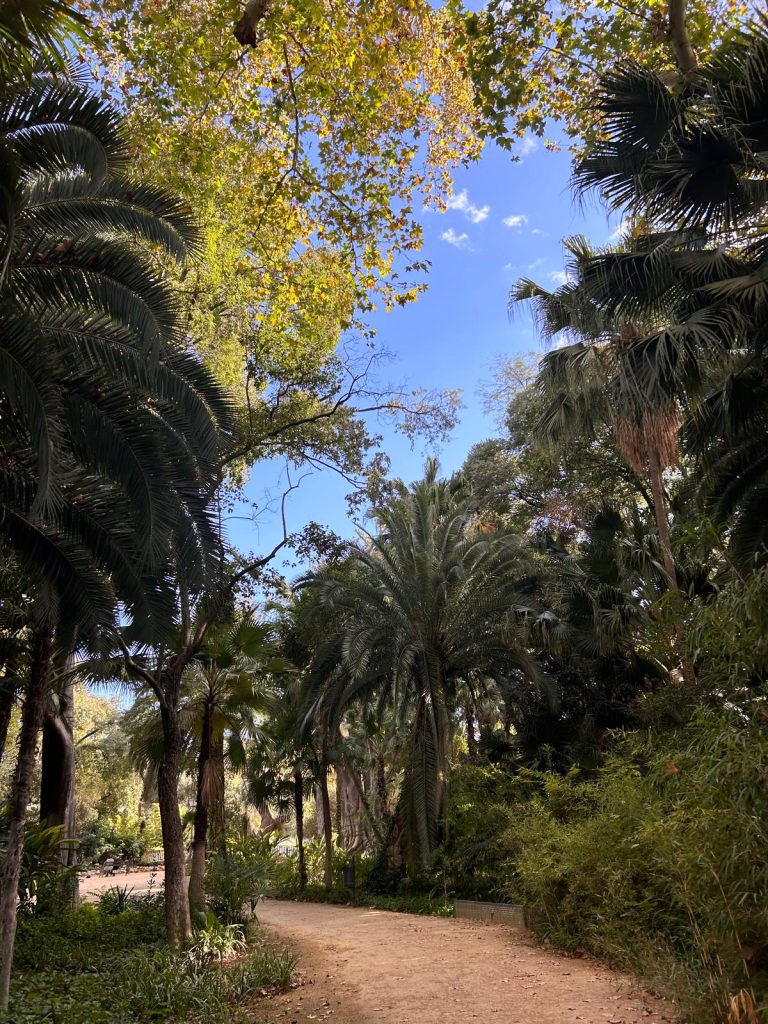
The shutting of Parque María Luisa adds a new layer of disruption. Together with the Alcázar, the park forms part of Sevilla’s cultural and leisure backbone, a place where visitors stroll, rent horse-drawn carriages, and enjoy the city’s most photographed views.
Its closure is not only symbolic but also a tangible setback for businesses relying on steady tourist footfall.
Meanwhile, Spain is already feeling the international trade impact. Hong Kong has suspended poultry imports from four provinces, including Huelva, and banned live bird imports from across the country.
Spain has also lost its official ‘avian influenza–free’ status with the World Organisation for Animal Health, a downgrade that could tighten restrictions from other export markets.
Officials stress low risk
Despite the closures, the Junta de Andalucía insists the risk to humans remains ‘very low.’
The park’s closure, it says, is a precautionary measure aimed at limiting contact between wild birds and people.
City authorities have also fenced off parts of the Guadalquivir riverbank and are increasing monitoring of migratory birds, which experts say are the most likely carriers of the virus.
Read more Andalucia news at the Spanish Eye.