
Spain’s property sector is sounding the alarm over the lack of homes being built due to red tape and slow bureaucracy.
The warning emerged during a high-level debate titled Housing as Infrastructure, held at the XII Real Estate Forum organised by Tinsa, IESE Business School and Savills.
Panelists said that without a decisive push to build more homes, access to housing will continue to worsen, with knock-on economic and social consequences that could prove hard to contain.
Across the board, public officials and developers agreed that Spain faces a structural shortage of housing, particularly in major cities, reports Idealista.
Years of underbuilding, steadily rising demand and slow-moving planning and licensing systems have created a bottleneck that shows no sign of easing.
Francisco Perez, chief executive of Culmia, stressed that Spain’s problem is part of a wider European failure to build enough homes.
‘Spain has land,’ he said. ‘What we lack is the courage to do things differently and to treat housing as infrastructure, including in public–private projects. If we don’t wake up, a storm is going to pass right over us.’
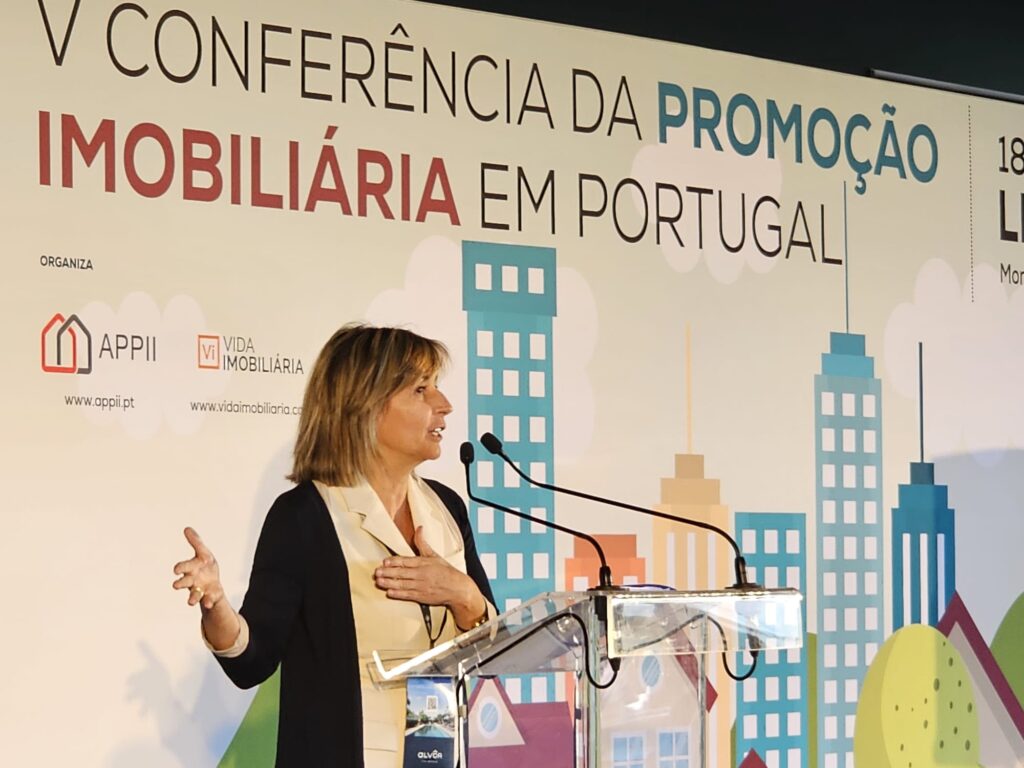
Carolina Roca, president of Asprima, warned that Spain has been building far fewer homes than demand requires for years.
To even begin closing the gap, she said, construction would need to return to around 250,000 homes a year.
Despite increased investment and developers putting more of their own capital at risk, output remains stuck.
The result is a housing market that increasingly shuts out middle-income families and younger generations.
Roca was optimistic about the growing political and social consensus that more homes must be built.
That shift, she argued, could unlock major legal reforms, such as Madrid’s proposed LIDER law, designed to streamline planning, cut red tape and allow higher density where appropriate.
The experts agreed that housing demand will continue to rise, and the crisis is no longer confined to the most vulnerable groups, affecting broad swathes of society, including working professionals and families who, until recently, could expect to buy or rent without extraordinary difficulty.