
Brits in Spain have been warned to check the status of their medical appointments amid the historic doctors’ strikes.
Scores of residents have taken to social media to complain after turning up at health centres only to be told they would not be seen.
They are among the tens of thousands of patients to who have suffered cancellations in Andalucia alone this week, including more than 600 scheduled surgeries.
One Brit said their partner had an 8.30am appoinment on Wednesday that had been booked three weeks ago.
‘It was the first available appointment, and today was the exact day his medication ran out – the whole reason for the appointment,’ they said in a warning post online.
‘He arrived at 8.15am and by 9am, when he asked why no one was being seen, he was told the doctors are on strike today.
‘No warning, no call, no message, nothing!… absolutely ridiculous!’
Tina Gilmartin added: ‘Disgraceful… a friend had an appointment for his cancer treatment yesterday, went all the way to Malaga hospital from Yunquera to be told the doctors were on strike so he has to go back on Thursday.
‘He was fuming that nobody had let him know.’
Paula Marchmant added: ‘My husband was in the same boat at CARE Mijas, he’s waited about four weeks for the appointment.’
How have services been affected in Andalucia?
Regional health minister Antonio Sanz revealed on Wednesday the impact of the first day of the strike on healthcare services in Andalucia.
He said that on Tuesday alone, cancellations included 36,000 primary care appointments, 22,000 outpatient appointments, 670 surgeries and 20,000 diagnostic tests.
The Andalucian Medical Union (SMA) and the Spanish Confederation of Medical Unions (CESM) said they have been summoned by the national Ministry of Health for a new meeting in Madrid at 11am Thursday.
Both organisations attribute this to the ‘high participation in the first two days of the strike’ and are hopeful that ‘the willingness to engage in dialogue will prevail on both sides and that the ministry, led by Monica Garcia, will reconsider its position and address the demands of the medical and healthcare professionals.’
Why are doctors striking?
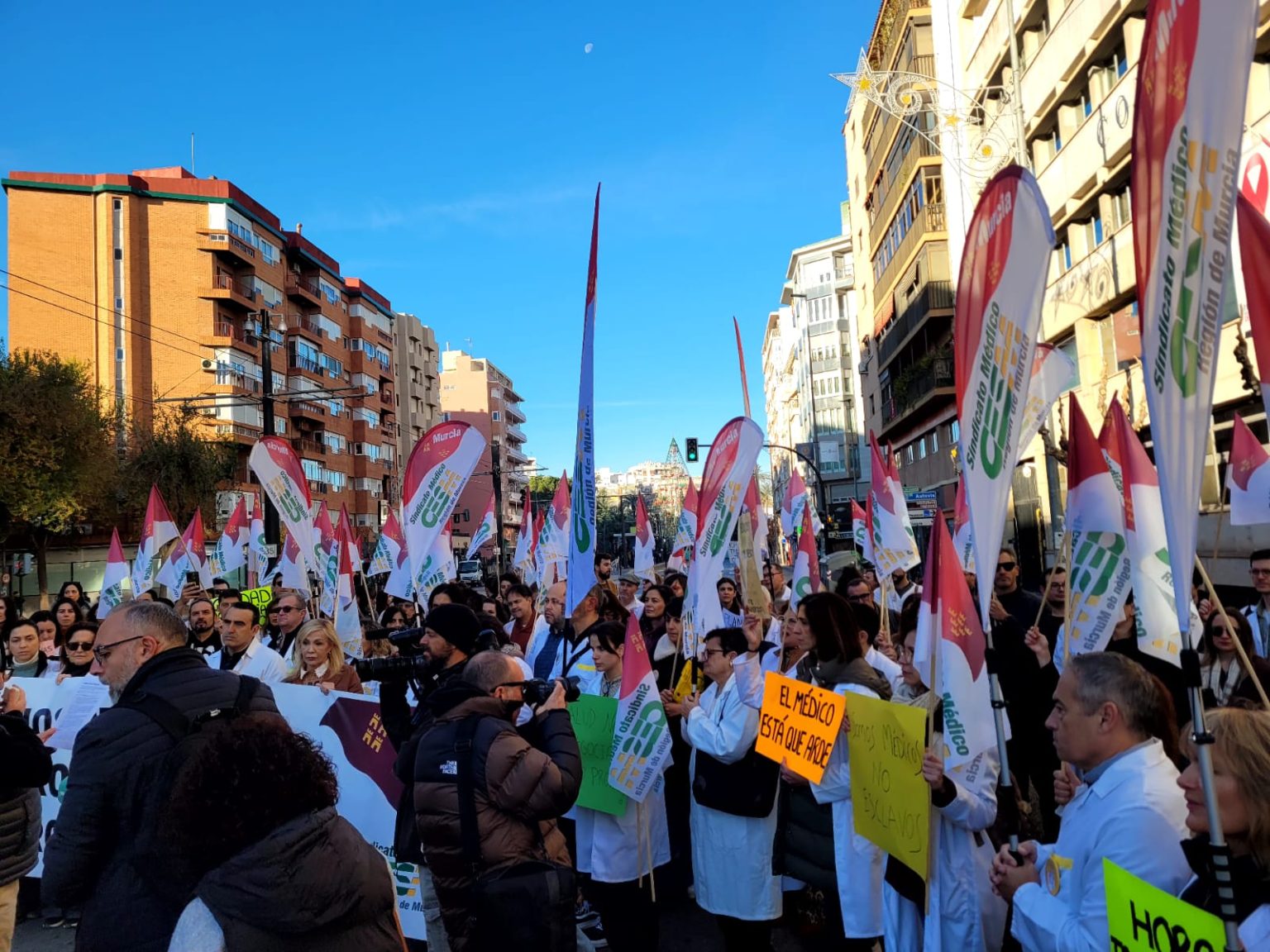
From December 9 to 12, medics across the country are staging a walk out.
They are protesting the Ministry of Health’s proposed reforms to the Estatuto Marco, which is the legal framework that governs working conditions in the public health system.
It comes after a short 24-hour strike in June and another in October failed to move negotiations forward, leading to this week’s 96-hour stoppage, branded a ‘last resort’ by unions.
The last major doctors’ strike in Andalucia was back in 1995 – then over pay. This time, unions insist the fight is about basic working conditions.
Rafael Ojeda, president of the Sindicato Medico Andaluz (SMA), says the walkout aims to end ‘chronic job instability’ in the profession and ensure that the Estatuto Marco reflects the fact that doctors face overwhelming patient loads, recruitment shortages and a system they describe as eroding their rights.
The strike is backed by both the SMA and the Confederación Española de Sindicatos Médicos, who accuse the Ministry of ‘ignoring’ the profession’s demands during the drafting of the new legislation.
Among the issues they highlight:
- Removal of guarantees on minimum staff-to-patient ratios, despite primary care centres already reporting workloads far above the European average.
- The proposed scrapping of the five-tier career progression system.
- No incentives for hard-to-cover posts in rural or isolated areas.
- Removal of protections allowing workers to receive full pay during sick leave, maternity and paternity leave, pregnancy risk and breastfeeding.
- Weakened rules on forced relocations, including the elimination of minimum notice periods.
Andalucía, which already ranks near the bottom in Spain for the number of practising doctors per capita, is especially vulnerable.
Medical unions warn that an exodus of professionals is accelerating, with many heading to other regions or abroad for better conditions.