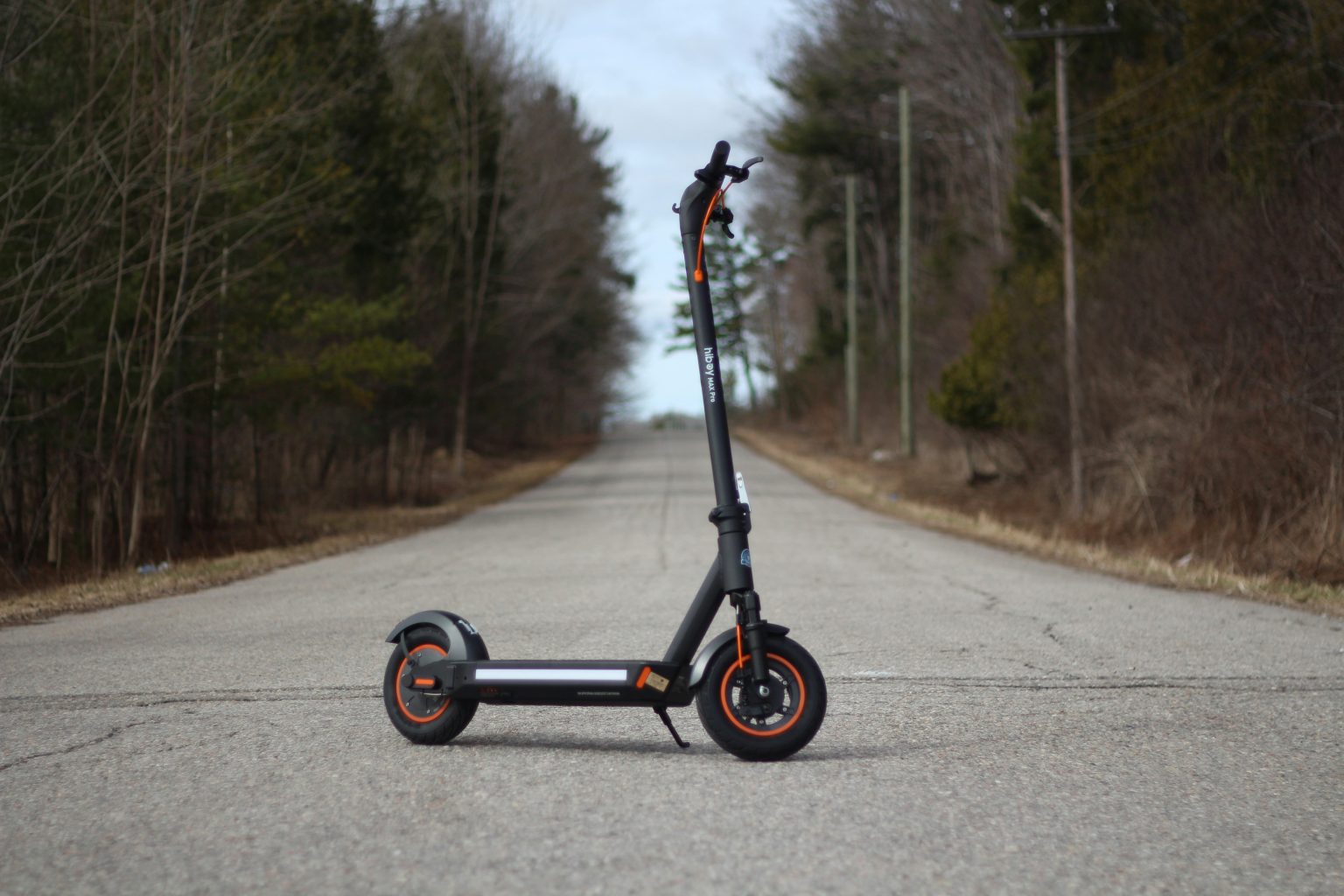

Spain is set to crackdown on e-scooters from next year with a raft of new rules that will be applied nationwide.
The devices, legally known as personal mobility vehicles (VMP), are surging in towns and cities across the country.
However, lack of safety precautions by some riders has led to dangerous and even deadly collisions with pedestrians or cars.
From January 2, 2026, anyone using an e-scooter will need civil liability insurance, according to the Direccion General de Trafico (DGT).
All VMPs must also be registered in the national vehicle database and display an identification label or number, similar to a licence plate. Failing to comply can lead to fines of up to €1,000.
Existing rules every rider must follow
Spain introduced its first set of VMP regulations in 2021. Local councils can apply their own ordinances, but these national minimum rules apply everywhere:
- No riding on pavements, pedestrian zones, motorways, interurban roads, or tunnels.
- Riders must use authorised urban roads only.
- Speed must stay between 6km/hr and 25km/hr.
- Riders are subject to the same drink-driving limits as motorists.
- Earphones and mobile-phone use are banned while riding.
- Helmets are mandatory since the end of 2024.
By 2027, only certified and homologated models may circulate. Any scooter without the new approval will be illegal on public roads.
The fines you could face
Spain’s updated sanction framework includes:
- €1,000 for riding without insurance or registration
- €500–€1,000 for riding under the influence of alcohol
- €200 for using a mobile phone or wearing earphones while riding
- €200–€500 for using a scooter that lacks the required technical specifications
- €290–€500 for riding a non-certified model (from 2027)