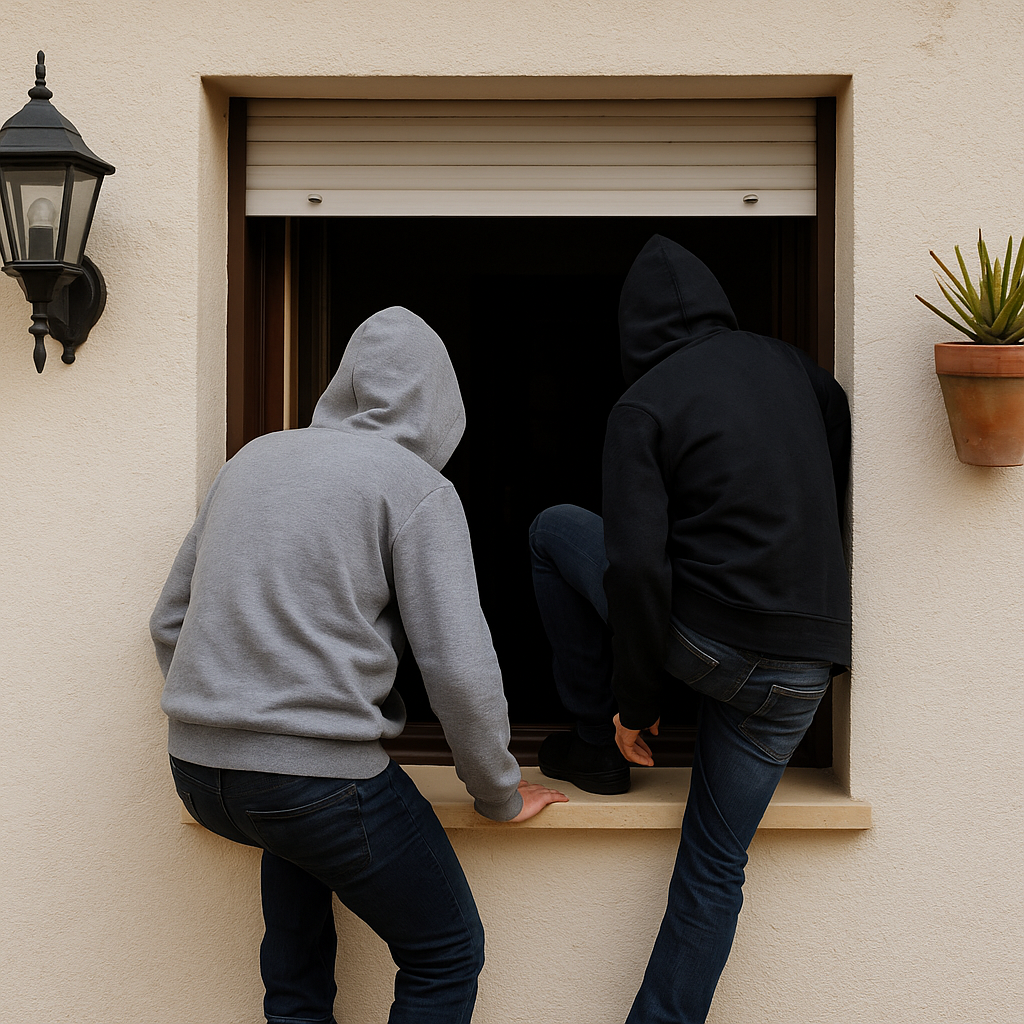

Spain’s Senate is set to examine a new proposal from the Partido Popular (PP) to change how the law treats the cutting of essential utilities in squatted properties.
The initiative wants to allow owners to suspend water, gas and electricity without risking criminal charges.
The move comes after the PP’s broader ‘anti-okupas’ bill, approved in the Senate earlier this year, stalled in the Congress of Deputies.
With an absolute majority in the upper chamber, the PP is aiming to push the reform forward, arguing that reported okupación cases continue to increase.
According to party figures, more than 16,000 incidents were recorded in 2024, representing a 7.4% increase on the previous year.
The proposal would carve out an exception in the criminal code so that suspending utilities in a property occupied without permission would not be considered coercion.
The PP points to a ruling by Barcelona’s Provincial Court in March, which took a similar view, as the legal basis for its initiative.
Judicial statistics show that Catalonia is the second region most affected by unlawful occupation, behind Andalucia, according to the General Council of the Judiciary (CGPJ).
The PP believes this may help bring the Catalna party Junts on side when the bill reaches Congress, particularly following the party’s recent breakdown in relations with the ruling Pedro Sanchez government.
They also see a possibility that the Basque Nationalist Party (PNV) could support the measure in the lower chamber.
The PP argues that by allowing owners to cut utilities, squatters will be less able to remain in a home, reducing the time a property is unlawfully occupied.
They also claim the proposal would give landlords greater legal certainty and encourage more owners to rent out empty properties. Under their plan, if a tenant stops paying rent and utility costs, the landlord would not be forced to continue covering the bills.
In comments to El Mundo, PP representatives described squatting as a ‘serious’ and urgent social problem, accusing the central government of downplaying the issue and failing to introduce adequate measures.
Given its numbers in the upper house, the PP is expected to secure Senate approval on Wednesday.
The decisive vote, however, will come later in the Congress of Deputies, where the stance of Junts and the PNV will determine whether the reform ultimately becomes law.