
In everyday Spanish, chachi is a cheerful little word that means something is great, fantastic, or top-notch.
You might hear a teenager say ‘que chachi!’ about a new phone, or a grandmother use it to praise her grandson’s cooking.
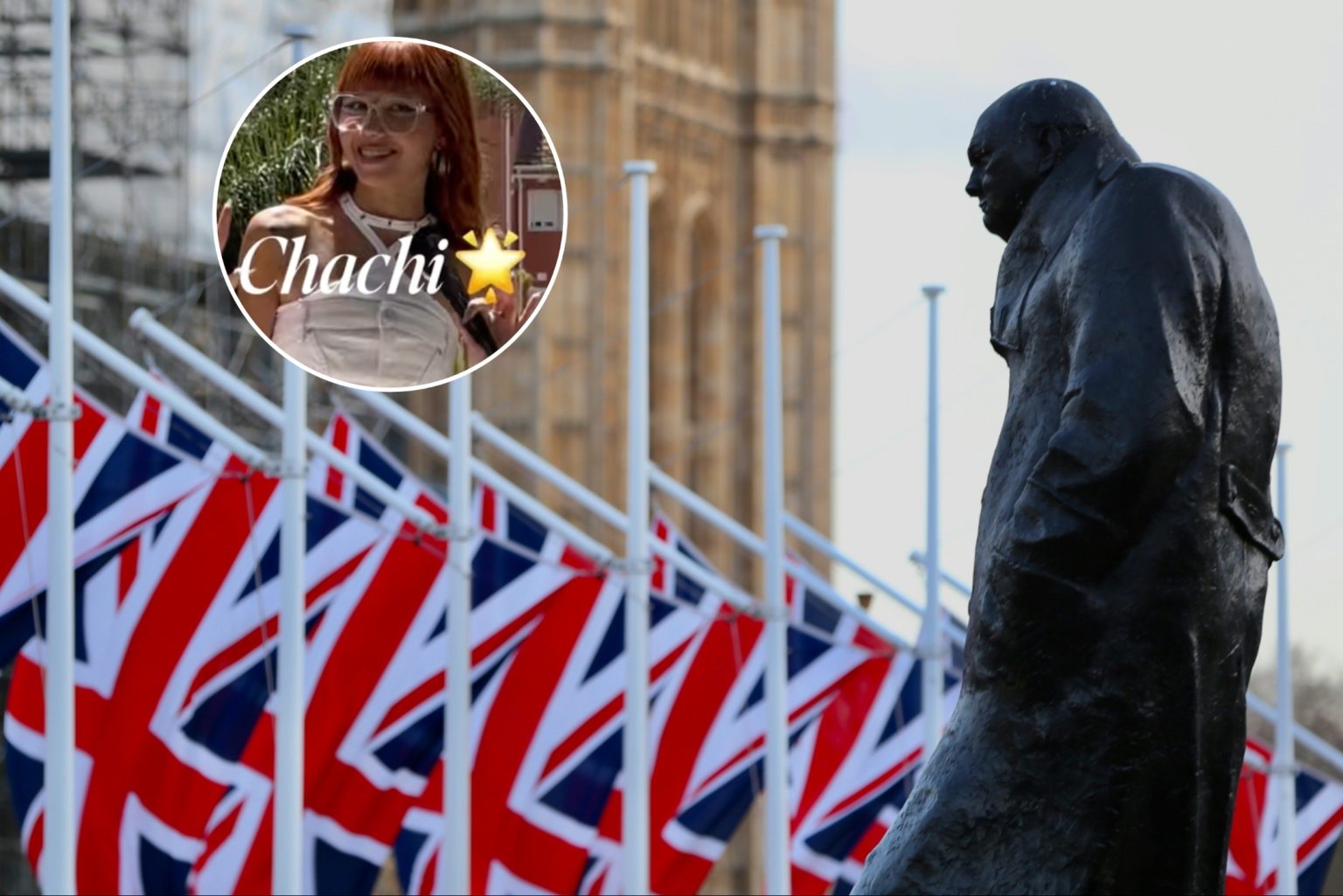
But in Cadiz, the word carries a backstory that’s as colourful as the city itself, and one that links the sunny streets of Andalucia with iconic former British prime minister Winston Churchill.
The meaning
Today, chachi is pure praise. It sits alongside other informal Spanish words like guay or de puta madre to signal approval or delight. The Royal Spanish Academy simply lists it as ‘excellent’ or ‘very good.’
Two possible origins
1. The linguist’s theory – from the Calo language
The more academically accepted explanation traces chachi back to chachipen, a word in Calo – the Spanish Romani language – meaning ‘truth’ or ‘reality.’
In expressions like chachi que sí (‘true that!’), the term was gradually shortened to chanchi and finally to chachi. This route fits neatly with known linguistic patterns.
2. The Gaditano tale – from Churchill to Charchil
The Cadiz version, however, is the stuff of local legend. During the lean years of the 1940s and ’50s, much-coveted goods were smuggled into Spain from Gibraltar.
Many of these were British products, seen as the very best in quality. Locals, knowing the British prime minister’s fame, began referring to these goods as being ‘from Churchill.’
In the thick Andalucian accent, Churchill morphed into charchil, and over time, into chachi – a shorthand for anything first-class.
It’s the kind of folk etymology Cadiz loves: playful, proudly local, and rooted in the city’s history of wit and wordplay.
So next time you hear someone say ¡Qué chachi!, remember: it might just be Churchill’s most unexpected legacy.