Brits using UK bank cards in Spain are being urged to avoid a costly mistake that could quietly add extra charges to almost every purchase they make.
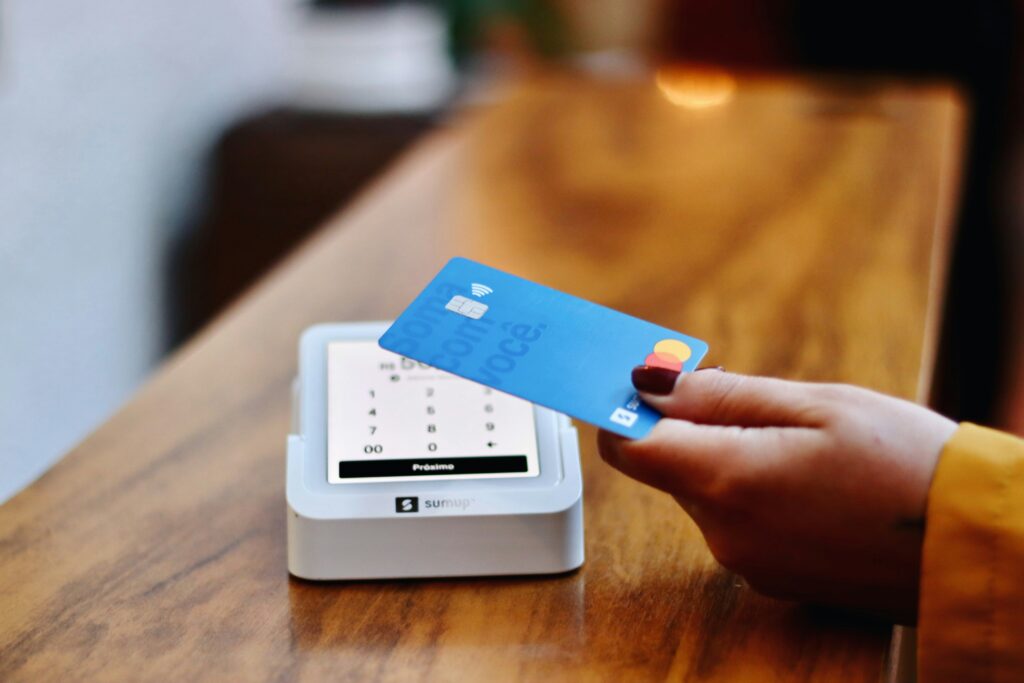
Whether buying drinks at a beach bar or withdrawing cash from an ATM, many card machines in Spain ask the same question before processing the payment: Would you like to pay in pounds or euros?
While choosing pounds may seem like the safest option because you immediately know how much will leave your UK account, experts say it is often the more expensive choice.
According to Thomas Drury, a money expert at UK investment comparison platform The Investors Centre, British travellers should almost always choose euros when paying in Spain.
‘This is a classic holiday money trap because it does not look like a trap,’ Drury told the Spanish Eye.
‘The machine is not asking you to pay an obvious fee. It simply gives you a familiar option, and that is why so many people still fall for it.
‘Paying in pounds abroad can feel safer because you immediately recognise the amount, but that convenience can come at a cost.
‘In many cases, you are accepting the exchange rate offered by the retailer, ATM operator or payment processor, rather than letting your own card provider do the conversion.’
The practice is known as Dynamic Currency Conversion (DCC).
Instead of charging you the local amount – for example €80 in Spain – the payment terminal converts the bill into pounds before the transaction is completed.
While that may appear helpful, the exchange rate used is often less favourable than the one your own bank or card provider would apply.
Drury said many people make the mistake because it happens during busy moments, such as paying a restaurant bill, checking out of a hotel or grabbing food at an airport.

‘The pounds option looks helpful because it feels clearer,’ he said.
‘But clearer does not always mean cheaper. The exchange rate may already include a mark-up, and because it is built into the conversion, many travellers do not realise they have accepted a worse deal.’
He added that the extra costs are often spread across numerous small purchases rather than appearing as one large charge.
‘The damage comes from small extra costs being added across multiple transactions.’
The advice is to always pay in the local currency.
That means choosing euros in Spain, as well as in other EU countries including France, Portugal, Italy and Greece.
‘The easiest way to remember it is: local country, local currency,’ Drury said.
‘If you are standing in a restaurant in Spain, choose euros. If you are at an ATM in Portugal, choose euros. If you are in America, choose dollars.
‘The local currency option usually lets your card network or provider handle the exchange. The pounds option can hand that conversion to the merchant or ATM provider instead.’
He also warned travellers to pay close attention to wording on payment terminals.
Messages such as ‘Pay in GBP’, ‘Accept conversion’, ‘Continue with conversion’ or ‘Guaranteed exchange rate’ can sound reassuring, but are often the point where customers unknowingly agree to a poorer exchange rate.
The same advice applies when withdrawing cash.
Many Spanish ATMs offer to convert withdrawals into pounds before dispensing money.
‘In most cases, you should reject the conversion and withdraw in the local currency,’ Drury said.
He also recommends watching out for ATM withdrawal fees, particularly at machines in busy tourist areas, and cancelling the transaction if another machine offers a better deal.
Hotel checkouts can be particularly expensive if the wrong option is selected.
‘The mistake matters most when the payment is big,’ Drury explained.
‘If you are settling a hotel bill, paying for car hire, booking excursions or covering a group meal, the wrong currency choice can make a much bigger difference.’
He advises anyone unsure to simply ask hotel staff to process the payment in euros.
‘You are allowed to choose. If the screen is confusing, ask for the payment to be taken in the local currency. Do not feel pressured into choosing pounds just because it looks simpler.’
However, Drury stresses that paying in euros is only part of the equation.
Some UK debit and credit cards still charge foreign transaction fees, ATM withdrawal charges or interest on cash withdrawals.
Before travelling, he recommends checking what fees your card charges overseas and, if possible, carrying a travel-friendly backup card.
‘Holiday money does not need to be complicated,’ he said.
‘The big rule is to pay like a local. If the card machine asks whether you want pounds or the local currency, choose the local currency.
‘Pounds may feel familiar, but familiar is not always cheaper.’