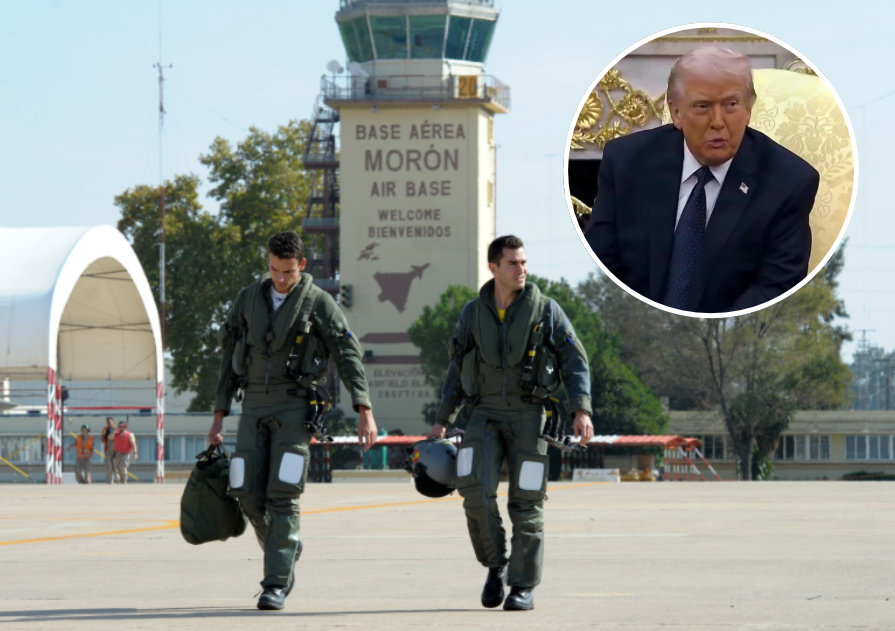

Donald Trump is reportedly considering pulling US forces out of a key military base in southern Spain as part of a plan to ‘make an example’ of Madrid amid a deepening row with NATO allies.
The US president’s frustration has been building since the outbreak of the Iran conflict, with Spain emerging as one of the countries most at odds with Washington.
At the heart of the dispute is the stance taken by the government of Pedro Sanchez.
Spain has refused to commit to increasing defence spending to 5% of GDP – a target pushed by Trump – and has openly criticised US foreign policy, particularly the war with Iran.
The situation escalated further when Madrid blocked the use of its military bases and airspace for operations linked to the conflict.
That move placed Spain firmly in the crosshairs of the White House.
‘Make an example’
According to sources in Washington, Trump’s close ally Lindsey Graham has repeatedly urged him to take decisive action against a dissenting ally.
The proposed strategy is to pick one country and send a clear warning to the rest, and Spain has quickly emerged as the preferred target.
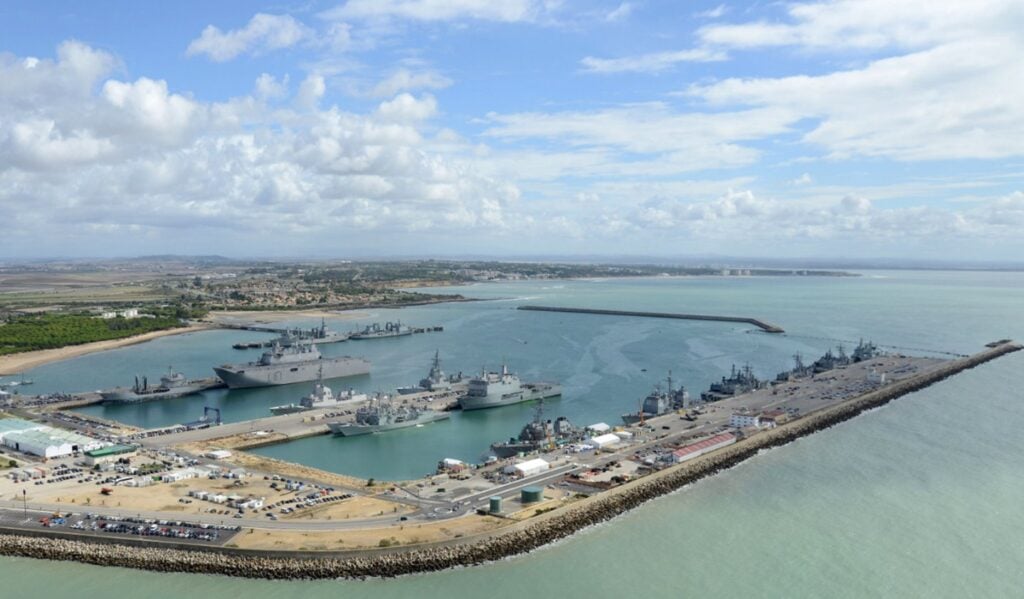
Among the options being studied is the closure or reduction of one of the two US bases in Spain – Rota or Moron – both located in Andalucia.
Strategic stakes
While the US has around 3,800 troops permanently stationed in Spain, the importance of the country lies in its location.
Bases in Andalucia provide a crucial gateway to the Mediterranean, North Africa and the Middle East, making them central to US and NATO operations.
Rota, in particular, hosts advanced naval assets, including Aegis-equipped destroyers that form part of the alliance’s missile defence system.
Moron plays a key role in rapid air deployments and operations towards Africa.
One option reportedly examined is whether part of Rota’s role could be shifted to Souda Bay in Greece.
Reuters has separately highlighted Souda’s growing military relevance during the Iran crisis, including the presence of major allied naval assets there.
But replacing Rota with Souda would be neither quick nor cheap. Moving ships is one thing; recreating the infrastructure to support six destroyers, their crews, maintenance requirements and family support is something else entirely.
Greece may be seen in Washington as more cooperative in this crisis, but Souda does not simply offer a plug-and-play substitute for what the US already has in Cadiz.
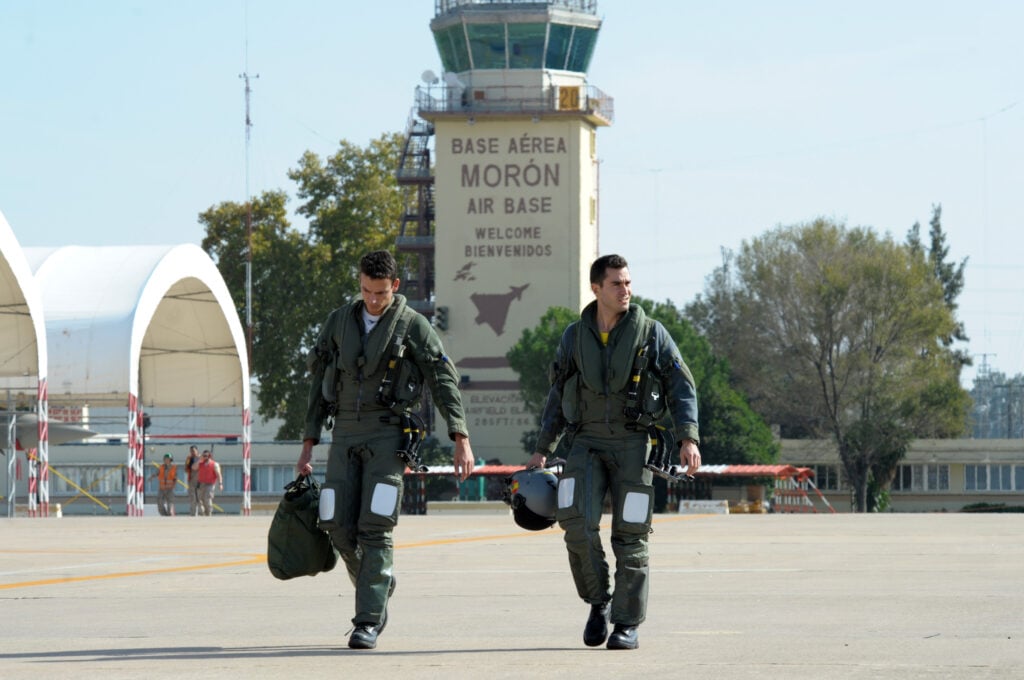
Moron poses a similar dilemma, even if it is less high-profile than Rota. Its value lies in air operations and rapid-response capability towards North Africa and the Middle East.
That makes it a less visible target politically, but still a very important one militarily. Closing or shrinking Morón would also be a blunt signal to Sanchez, but it would force the Pentagon to recalculate capabilities that are already embedded in its wider force posture across southern Europe and nearby theatres.
Reuters has noted that the value of the US presence in Spain lies less in troop numbers than in geography and access
Not an easy exit
Despite the political appeal, pulling out would be far from simple.
US bases in Europe form part of a long-established military network built over decades, and relocating them would be complex, expensive and slow.
Alternative locations – including Greece, Poland and Romania – are being explored, but would require significant investment to match Spain’s current capabilities.
Legal process could take years
Any withdrawal would also have to follow the terms of the bilateral defence agreement between Spain and the United States.
That means opening formal negotiations, which could last up to a year, followed by another year to complete any troop withdrawal.
NATO tensions rising
Mark Rutte has acknowledged growing tensions within the alliance, though he has attempted to downplay divisions by highlighting support from other European countries.
Spain, however, remains one of the clearest points of friction.
A risky move
For Trump, targeting Spain could deliver a strong political message to other NATO allies.
But for the Pentagon, it would mean rethinking a strategically vital position at the entrance to the Mediterranean.
Read more Andalucia news at the Spanish Eye.