
A British traveller has issued a warning after being wrongly banned from entering the EU – despite staying well within the legal limit – due to an apparent error in the bloc’s new digital border system.
Michelle O’Gorman, a frequent visitor to Portugal, told the Telegraph how was stopped at Faro Airport on March 28 while leaving the country and told she had overstayed her permitted time in the EU.
Under post-Brexit rules, UK passport holders can only spend 90 days in any 180-day period in the Schengen Zone.
But Michelle insisted she had only spent 61 days there and had the passport stamps to prove it.
Despite her protests, she claimed border officials refused to listen.
Writing to travel expert Gill Charlton, she said she was classified as an ‘overstayer’ and told she would be banned from returning to any Schengen country for 180 days.
Shockingly, she was given no written notice, and her passport was not marked, leaving her in limbo with no formal record of the decision.
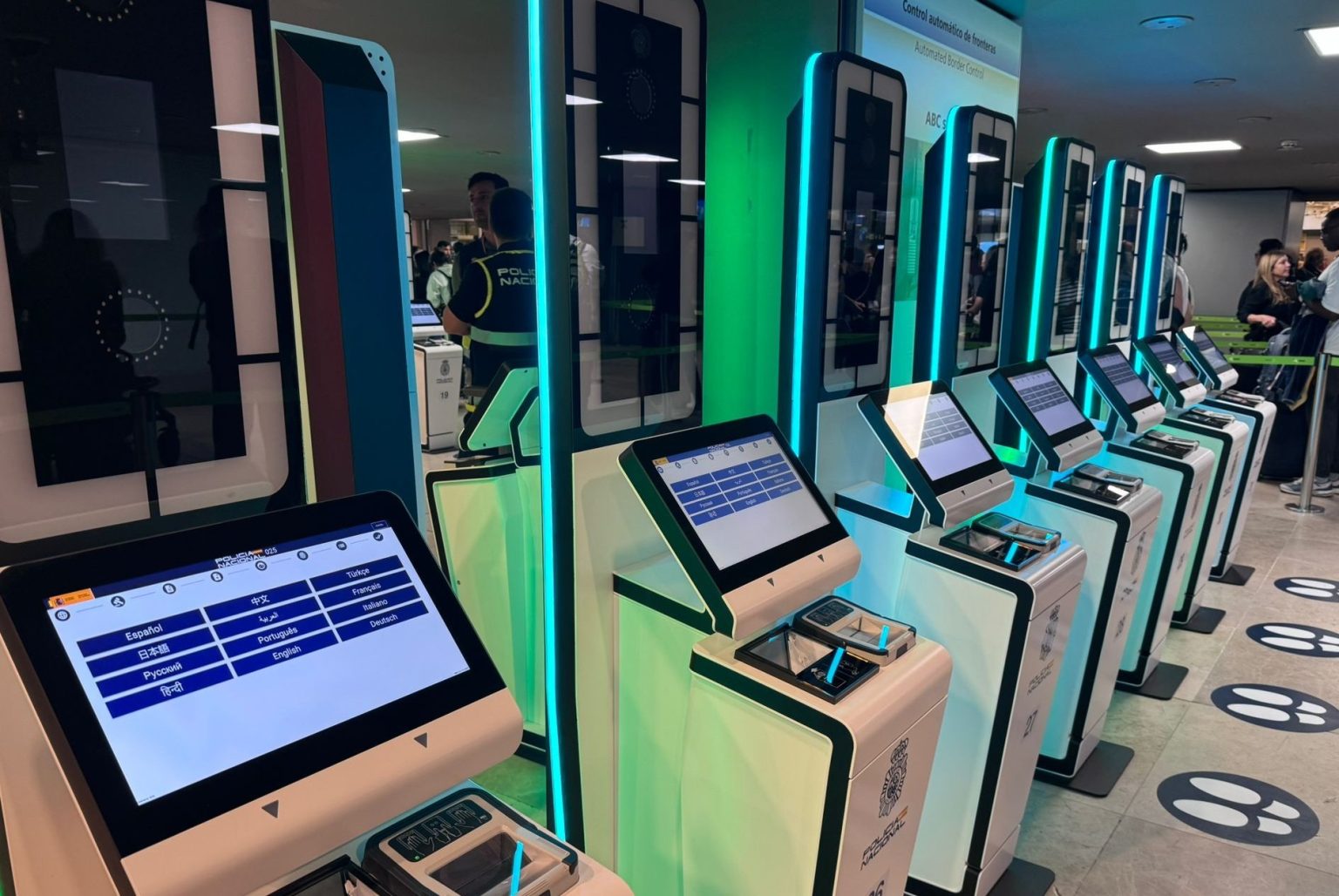
The issue appears to stem from the EU’s new Entry/Exit System (EES), which replaces passport stamps with digital records using biometric data such as fingerprints and facial recognition.
Error uncovered within hours
Determined to clear her name, Michelle sought help from Charlton and they submitted scans of her passport to Portuguese authorities.
Within hours, officials in Lisbon confirmed what she had been saying all along.
A review of her travel history showed she had spent just 61 days in the EU, meaning she was fully compliant with the rules and free to return.
Glitches in the system
The case highlights growing concerns around the rollout of the EES system, which is being introduced across Europe to tighten border security and track travellers more accurately.
While the system is designed to replace manual passport checks, this incident suggests errors can and do occur with potentially serious consequences for travellers.
Advice for Brits travelling to the EU
Charlton warned frequent travellers to take extra precautions while the system beds in – even though it is supposed to be fully operational from today (April 10).
Recommended steps include keeping a record of all entry and exit dates, using the EU’s official short-stay calculator to track time spent in the bloc and carrying proof of travel history, such as boarding passes or bookings.
The calculator allows travellers to check whether they comply with the 90/180-day rule before entering the EU.