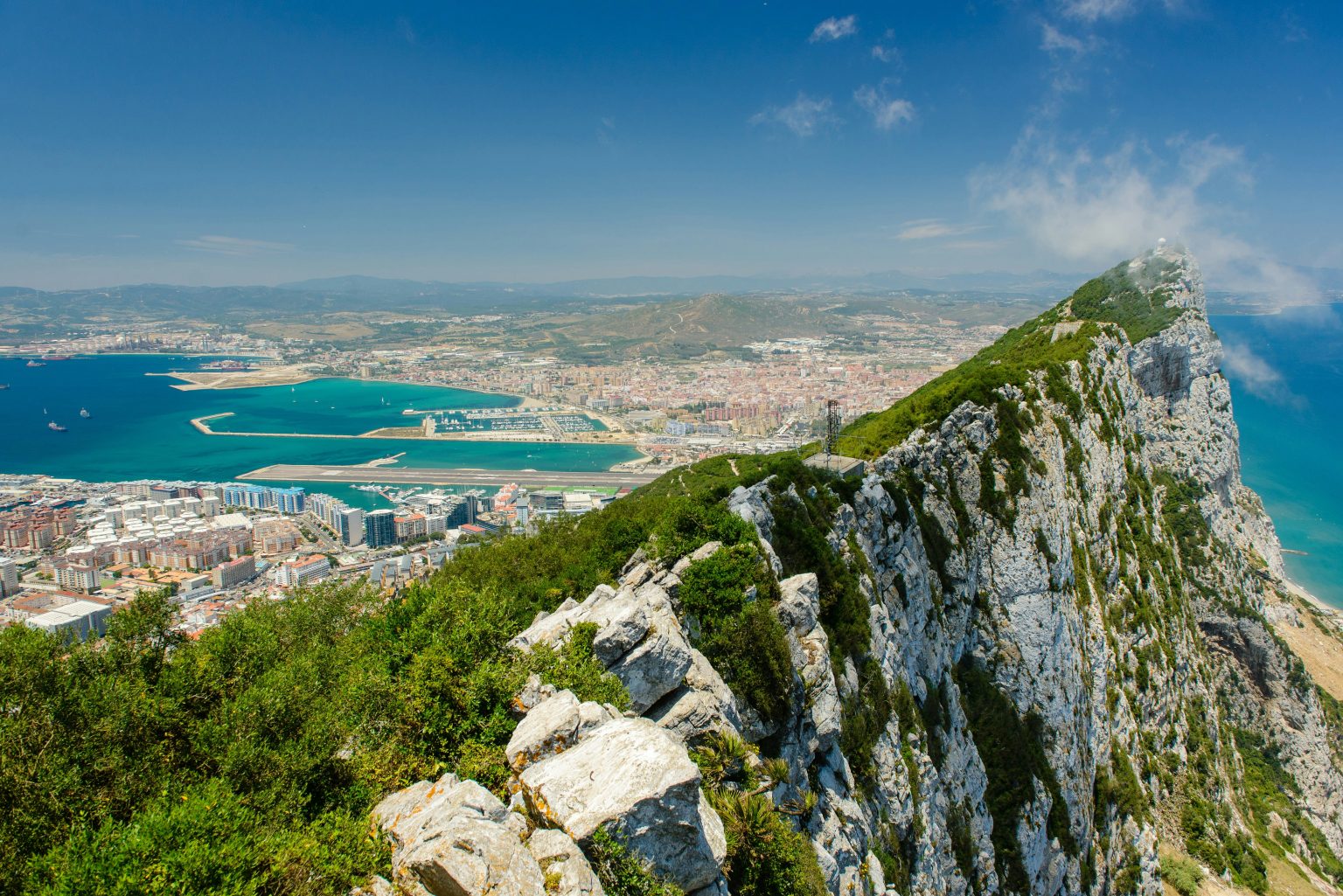

The EU has given the green light to a landmark post-Brexit deal on Gibraltar paving the way for the long-awaited removal of the border fence.
All 27 member states backed the agreement on Wednesday, clearing a major political hurdle and allowing the treaty to move towards signing and provisional application.
Crucially, the deal will see the end of the Verja – the physical border between Spain and Gibraltar – now scheduled for July 15.
That’s a three-month delay from the original timeline, which had pointed to an April 10 rollout.
The unanimous support was confirmed during a meeting of ambassadors in Brussels, according to the Council of the European Union, with no country raising objections.
What happens next
Despite the political breakthrough, the agreement is not yet fully in force.
It still needs to go through formal adoption by the relevant EU body before it can be signed and applied provisionally, in a process expected to take at least two more months.
That delay is largely down to technical requirements, including a full legal review and translation of the treaty into all official EU languages.
The push to finalise the deal has taken on urgency due to changes coming into force across Europe’s borders.
The new EU entry-exit system (EES), due to be finalised on April 10, is rolling out stricter controls at external borders – including Gibraltar.
What the deal means
The agreement represents a major shift in how Gibraltar is treated post-Brexit.
The removal of the Verja will effectively erase the traditional hard border, making movement between Spain and Gibraltar significantly smoother and boosting cooperation between both sides.
For thousands of cross-border workers and residents on the Costa del Sol and Campo de Gibraltar, the change could be transformative.
The treaty must undergo a full legal verification process to ensure compliance with EU law, and translation into all official EU languages – plus final formal approval before it can be signed.
Only then can the provisional application of the treaty begin, which is now expected in mid-July.
Read more Andalucia news at the Spanish Eye.