
Semana Santa hasn’t officially begun yet – but in deeply traditional Andalucia, it’s already getting started.
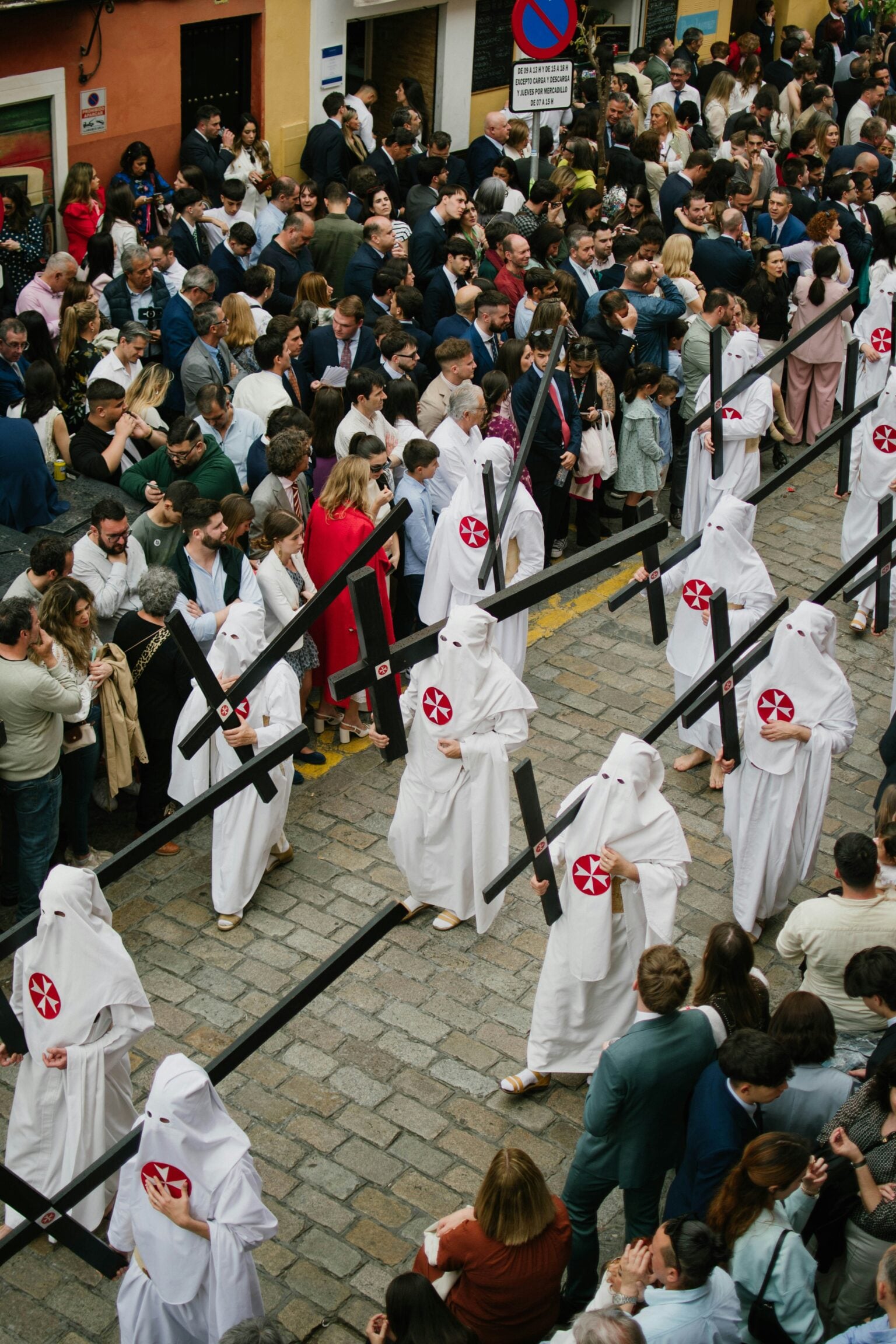
In cities like Sevilla, processions linked to Viernes de Dolores (the Friday of Sorrows) will take to the streets tomorrow, marking the unofficial start of one of Spain’s most important religious events.
What is Viernes de Dolores?
Viernes de Dolores falls on the Friday before Palm Sunday and acts as a prelude to Holy Week. While not part of the official Semana Santa calendar, it has become a key date in Andalucia, especially in Sevilla.
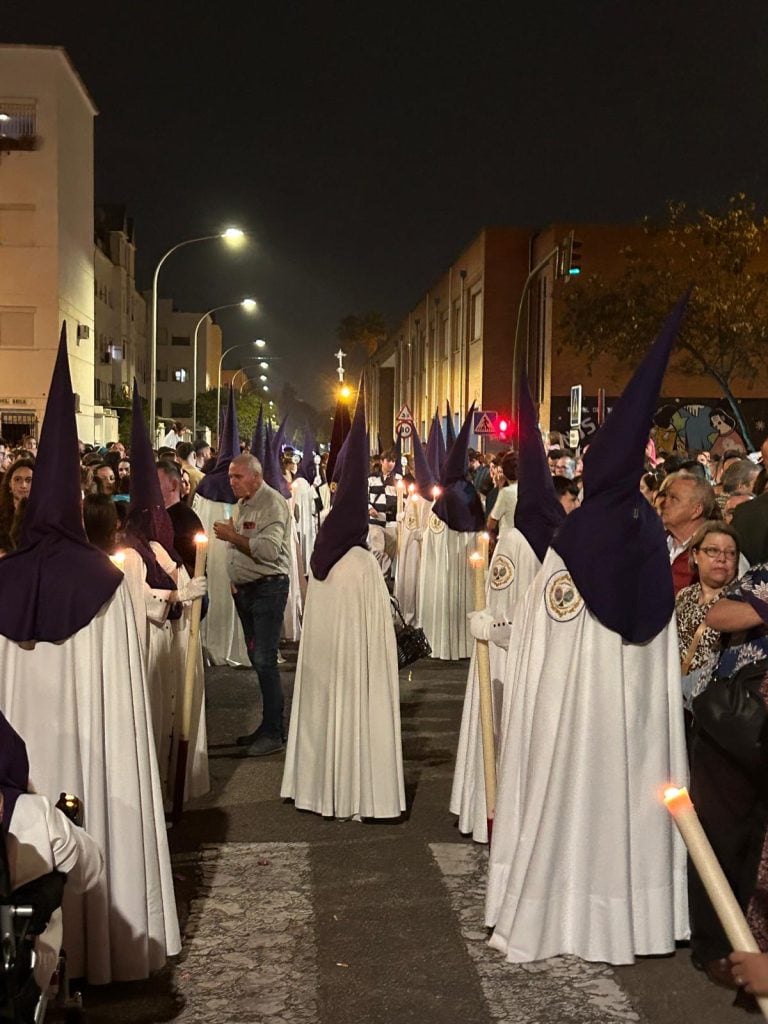
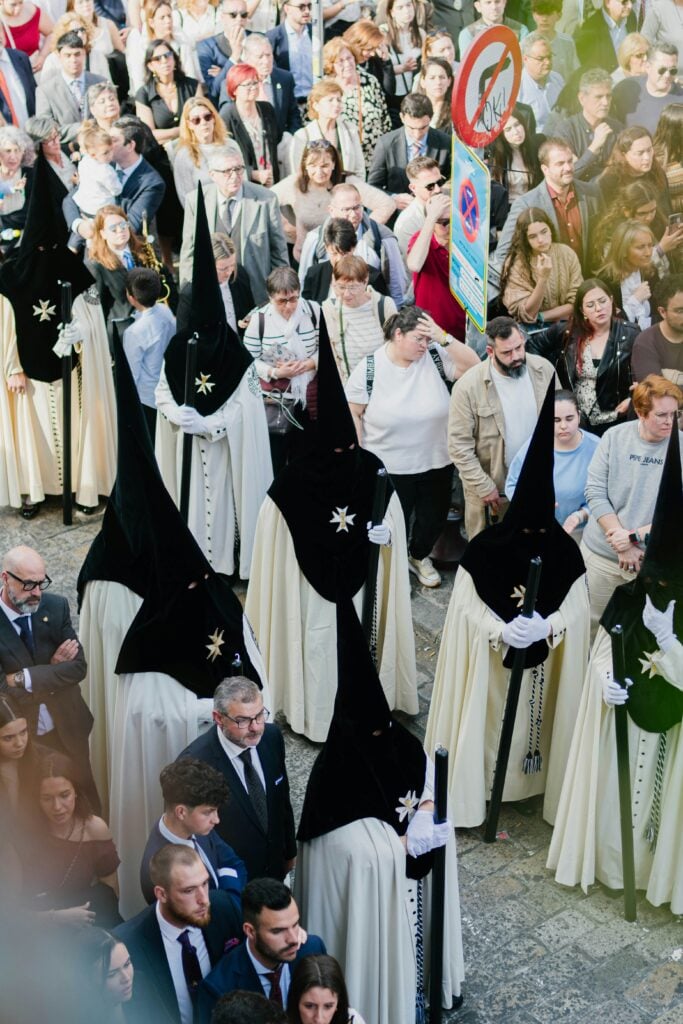
Local brotherhoods (hermandades) organise processions through neighbourhoods, giving a first glimpse of what’s to come: penitents in robes and pointed hoods, candlelit floats, and solemn marching bands.
In many areas, it’s treated as a warm-up – but the crowds and atmosphere already feel like the real thing.
When does Semana Santa officially begin?
Holy Week itself starts on Palm Sunday and runs through to Easter Sunday.
The most important days include:
- Palm Sunday (Domingo de Ramos): Marks the arrival of Jesus in Jerusalem
- Maundy Thursday (Jueves Santo): One of the most significant nights, with major processions
- Good Friday (Viernes Santo): Commemorates the crucifixion
- Easter Sunday (Domingo de Resurreccion): Celebrates the resurrection
In cities like Sevilla, processions run almost non-stop, with some lasting through the night into the early hours.
What to expect
Semana Santa in southern Spain is intense, emotional, and deeply rooted in tradition.
Expect:
- Large religious floats (pasos) carrying statues of Christ and the Virgin Mary
- Hundreds of nazarenos walking in silence, often barefoot
- Brass bands playing slow, dramatic music
- Crowds lining narrow streets for hours
Each brotherhood follows a set route, often passing through the city centre or cathedral, before returning to its home church.
Why Andalucia does it differently
While Semana Santa is celebrated across Spain, Andalucia is known for its scale and atmosphere.
Cities like Sevilla and Malaga turn the week into a full cultural event, blending religious devotion with local identity.
Entire neighbourhoods take part, and many families have lifelong ties to specific brotherhoods.
You’ll also see famous faces taking part, including Antonio Banderas, who traditionally helps carry one of the pasos in his hometown of Malaga each year.
How to cope (and actually enjoy it)
If it’s your first Semana Santa, it can feel overwhelming fast. Streets close without warning, crowds build quickly, and getting from A to B isn’t always straightforward.
A few basics help:
- Plan ahead: Check routes and timings early in the day
- Arrive early: Popular spots fill up hours before processions pass
- Stay flexible: You’ll probably need to change plans on the go
One useful tool is the official El Penitente app, widely used in cities like Sevilla.
It lets you track processions in real time, see routes on a map, and check estimated arrival times, making it much easier to avoid getting stuck or missing key moments.
Comfort matters too. Wear good shoes, carry water, and be prepared to stand for long periods.
And if the crowds get too much, head a few streets away from the main routes.
Planning ahead
If you’re in Andalucia over the coming days, expect busy streets, road closures, and large crowds, especially in historic centres.
Viernes de Dolores offers a slightly less crowded chance to experience the tradition before the peak days begin.
From tomorrow onwards, the region begins its slow build-up to a week where daily life pauses, and the streets are taken over by one of Spain’s most iconic traditions.
Read more Andalucia news at the Spanish Eye.