
A suspected Russian spy has been arrested in Alicante as part of a major cross-border operation linked to the war in Ukraine.
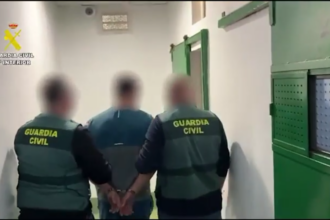
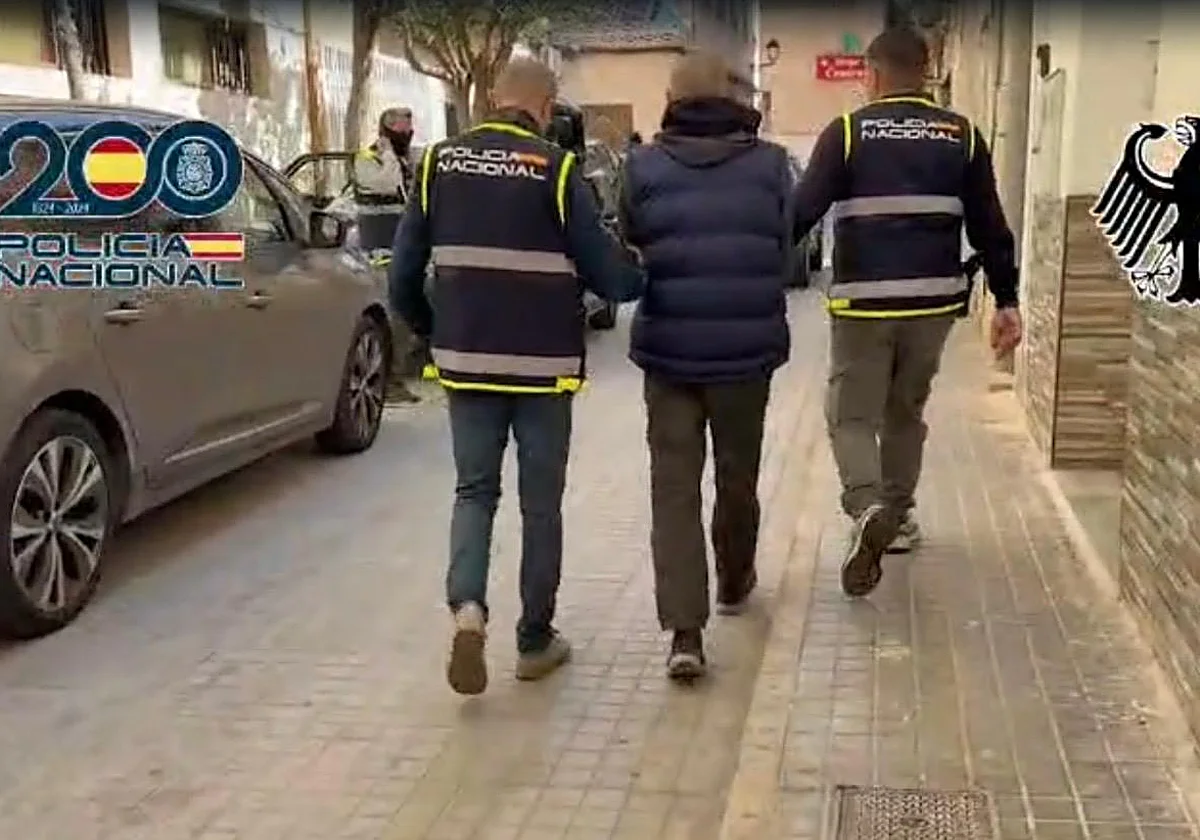
The operation, carried out by the Policia Nacional in coordination with German authorities, led to the arrest of a man in the town of Elda.
He is accused of spying on the supply of drones and military-related equipment bound for Ukraine.
According to German prosecutors, the suspect, identified as Serguei N, had been acting on behalf of Russian intelligence services and was tasked with tracking a specific individual involved in sending drones and spare parts to Ukraine.
Investigators say his role began in Germany, where he allegedly carried out surveillance on the target, gathering information both online and through physical monitoring.
This included tracking movements, analysing social media activity and building up a detailed profile.
From December 2025, he is believed to have intensified those efforts before relocating to Spain. Once he moved to Alicante, the operation did not stop.

Authorities say a second suspect, a Romanian woman identified as Alla S, was also recruited and took over parts of the surveillance operation from Germany.
She was arrested separately in Rheine, in western Germany, during a raid involving special forces and regional investigators.
The pair are accused of working together to monitor the same target across borders, highlighting what officials describe as a coordinated intelligence effort.
The arrest in Spain was carried out under a European Arrest Warrant after investigators feared the suspect could flee.
When officers moved in, they also carried out searches at properties linked to both suspects, seizing electronic devices and documents now being analysed for further evidence.
The detained man has since been brought before Spain’s National Court, which is handling the case, while the investigation remains ongoing with the possibility of more arrests.
German authorities have warned for months that Russia is stepping up espionage and sabotage efforts across Europe, particularly in countries supporting Ukraine.
Intelligence services say there has been a noticeable increase in the use of so-called ‘disposable agents’ – non-professional operatives recruited online to carry out surveillance or disruption tasks.

The case has also raised fresh concerns on the Costa Blanca, an area that has already been linked to high-profile incidents involving Russian intelligence.
In February 2024, Russian helicopter pilot Maksim Kuzminov, who had defected to Ukraine, was shot dead in Villajoyosa. He had previously been publicly branded a ‘traitor’ by senior Russian officials.
Despite strong suspicions of a contract killing linked to Russian intelligence, no one has been formally charged and the case was provisionally closed due to lack of identified suspects.
Investigators have suggested the killers may have tracked him down partly due to his own visibility after arriving in Spain, including frequent public appearances and contact with people back in Russia.