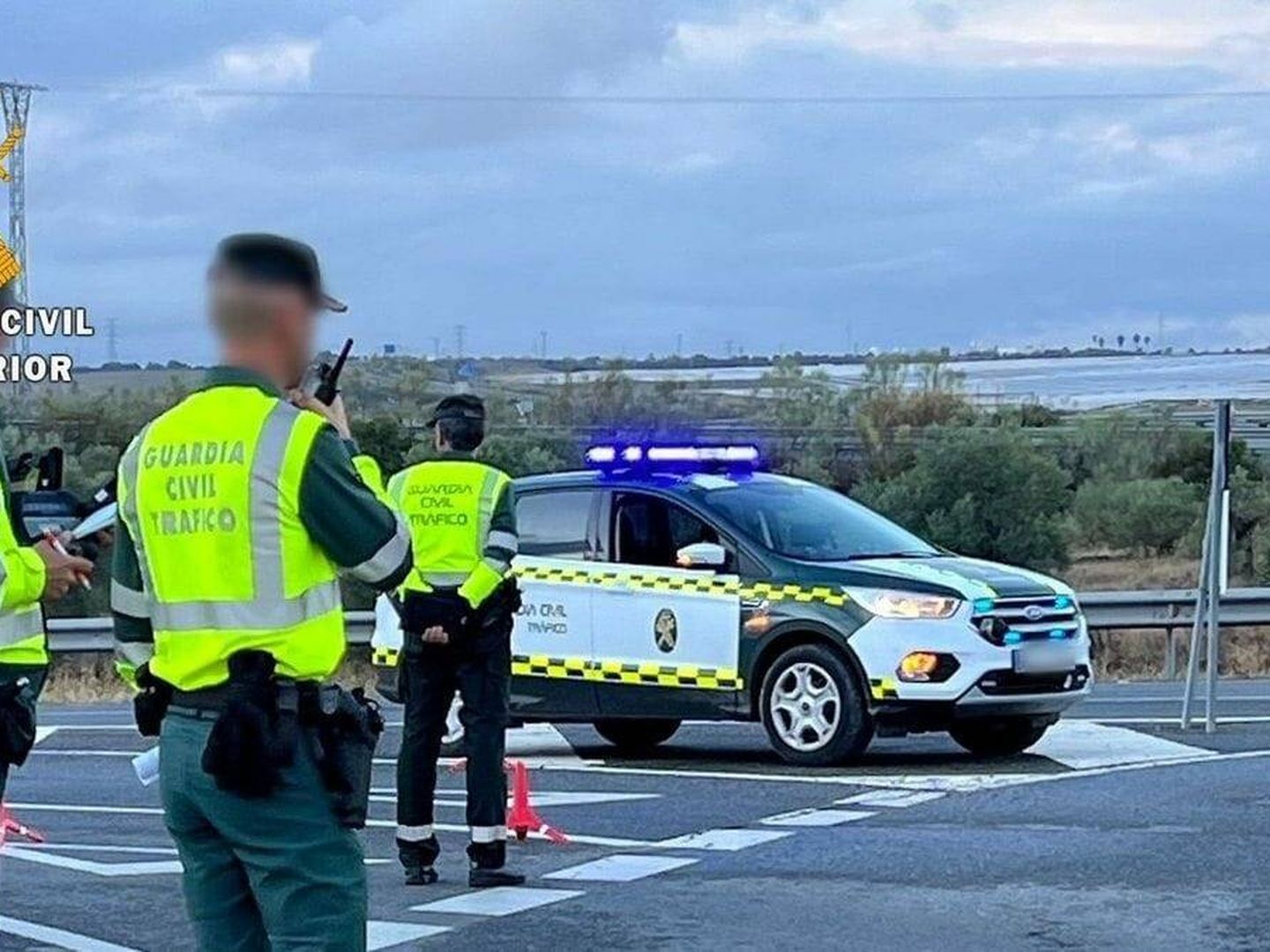

A controversial plan to slash Spain’s drink driving limit has been blocked in Congress – dealing a blow to the government’s road safety push and leaving current alcohol limits unchanged.
The proposed law, backed by the PSOE and Spain’s traffic authority (DGT), aimed to cut the legal blood alcohol limit from 0.5g/l to 0.2g/l, in a move that would have effectively introduced zero-tolerance for drivers.
But MPs rejected the measure, meaning Spain’s existing thresholds remain firmly in place, at least for now.
The government had argued the change was essential to save lives, with the DGT warning that alcohol is linked to between 30% and 50% of fatal road accidents.
Despite the setback, authorities made clear the direction of travel is unlikely to change.
So what are the current drink driving limits in Spain?
For now, the legal limits remain as they were before.
For most drivers, the maximum is 0.5 grams of alcohol per litre of blood, or 0.25 milligrams per litre in breath tests.
For new drivers (less than two years’ experience) and professionals, the limit is lower – 0.3g/l in blood or 0.15mg/l in breath.
And for under-18s, the rule is simple: zero alcohol.
What does that actually mean in real terms?
While it varies depending on weight, sex and metabolism, the current limit roughly equates to a small beer or glass of wine for many drivers – but anything beyond that quickly puts you at risk of testing positive.
Crucially, authorities stress there is no ‘safe’ amount of alcohol when driving, as even small quantities can impair reaction times and judgement.
What are the penalties?
Drivers caught between 0.25mg/l and 0.50mg/l face a €500 fine and lose four points on their licence.
Go above 0.50mg/l, and the penalty jumps to €1,000 and six points.
If you exceed 0.60mg/l, it becomes a criminal offence, carrying potential prison sentences of three to six months, fines, community service and a driving ban of up to four years.
Refusing to take a breath test also carries serious consequences: a €1,000 fine, six points lost and possible criminal charges.
Why was the limit going to be lowered?
The DGT has long pushed for stricter limits, arguing alcohol remains one of the biggest killers on Spain’s roads.
According to official data, nearly half (48.2%) of drivers killed in traffic accidents in 2024 tested positive for alcohol, drugs or medication.
Experts say reducing limits can work but only if combined with tougher enforcement and better education.
Studies point to countries like Norway and Sweden, where lowering limits alongside increased checks led to significant drops in road deaths and drink driving rates.
Traffic authorities have hinted the proposal could return in the future, potentially through another legislative route.