


Marbella is prioritising luxury tourism while its workers can barely afford to live there, trade unions have fumed.
The General Workers’ Union (UGT), this week described the Costa del Sol gem as ‘a luxury city where workers are poor,’ despite its status as an economic powerhouse for Malaga province.
The union is calling on the local council to regulate tourist apartments and declare Marbella a ‘stressed housing area’ in an effort to bring spiralling rents under control.
On paper, Marbella’s economy is thriving, with unemployment is at its lowest level in nearly two decades, and just over 7,100 people out of work at the end of 2025.
Hiring is up, permanent contracts are becoming more common, and Social Security registrations are at record levels.
‘The economy is strong, but workers aren’t feeling it,’ union representatives claim, arguing that wages simply aren’t keeping pace with the cost of living in one of Spain’s most expensive coastal cities.
The average salary sits at around €1,300 a month, but in Marbella’s current housing market, that doesn’t go far.
A housing market out of reach
Indeed, for many residents, the biggest pressure point is housing.
Rental prices have surged in recent years, with a single room now costing around €700 per month and a one-bedroom flat averaging €1,200.
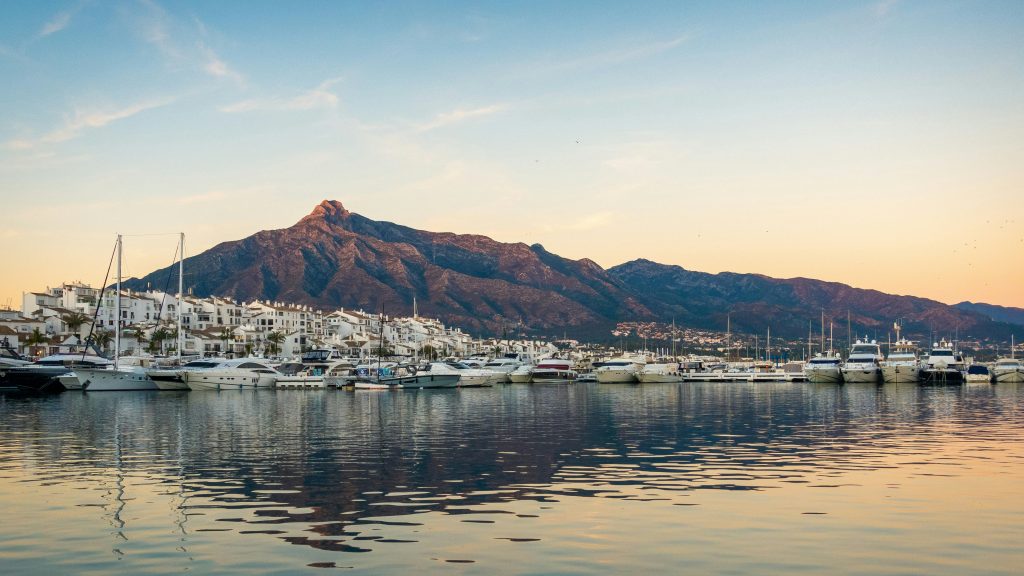
Buying is even further out of reach, with property prices exceeding €5,600 per square metre, higher than in Madrid or Barcelona.
At the same time, the rise of tourist rentals has transformed the city, as thousands of properties have been converted into short-term accommodation, with estimates suggesting around 7,500 tourist flats in Marbella, and up to 3,000 operating illegally.
The result is a shrinking supply of long-term housing and rising displacement. According to UGT, thousands of families have already been pushed out of their neighbourhoods.
‘Marbella has become completely geared towards luxury tourism,’ the union argues. ‘It’s a city that many workers can no longer afford to live in.’
Calls for action
UGT is urging local authorities to act quickly.
Among its proposals are tighter controls on tourist rentals and the creation of a working group bringing together institutions and social partners to address the crisis.
Crucially, the union wants Marbella to be officially designated a ‘stressed housing area,’ a move that could allow rent increases to be limited.
Right now, tenants renewing contracts are often facing sharp hikes, in some cases close to double their previous rent.
There is also criticism of the regional government, particularly over the use of public land. Union leaders argue that recent development decisions prioritise private interests over public needs, missing opportunities to create affordable housing or essential services.

Inequality beyond housing
The report also highlights another persistent issue: the gender pay gap.
Women in Marbella are more likely to work in lower-paid sectors such as care, retail and hospitality, and remain underrepresented in senior roles.
Many also take on a greater share of childcare responsibilities, often reducing their working hours or stepping away from their careers entirely.
The data reflects this imbalance. The vast majority of childcare-related leave is taken by women, and part-time roles, which typically come with lower pay, are disproportionately held by female workers.
Even in pay structures, disparities remain. Bonuses for night work or flexible hours are more commonly awarded to men, further widening the gap.
The challenge for Marbella, unions argue, is to find a way to balance its luxury appeal with the basic needs of its workforce or risk becoming a place where only visitors can afford to stay.
Read more Andalucia news at the Spanish Eye.