
More than 5,000 kilometres from Andalucía’s shores, a narrow strip of water in the Persian Gulf could soon start hitting household budgets across southern Spain.
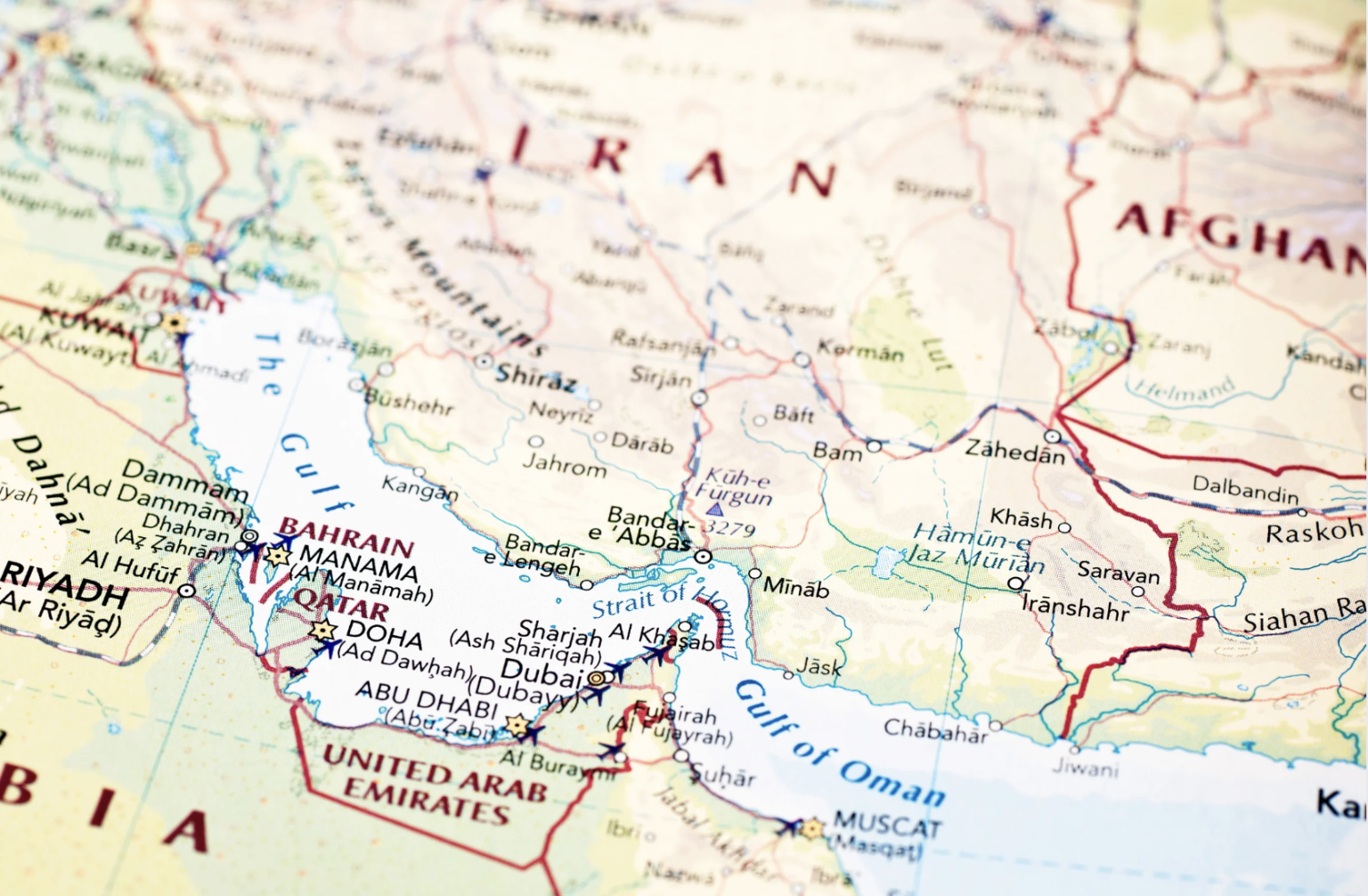
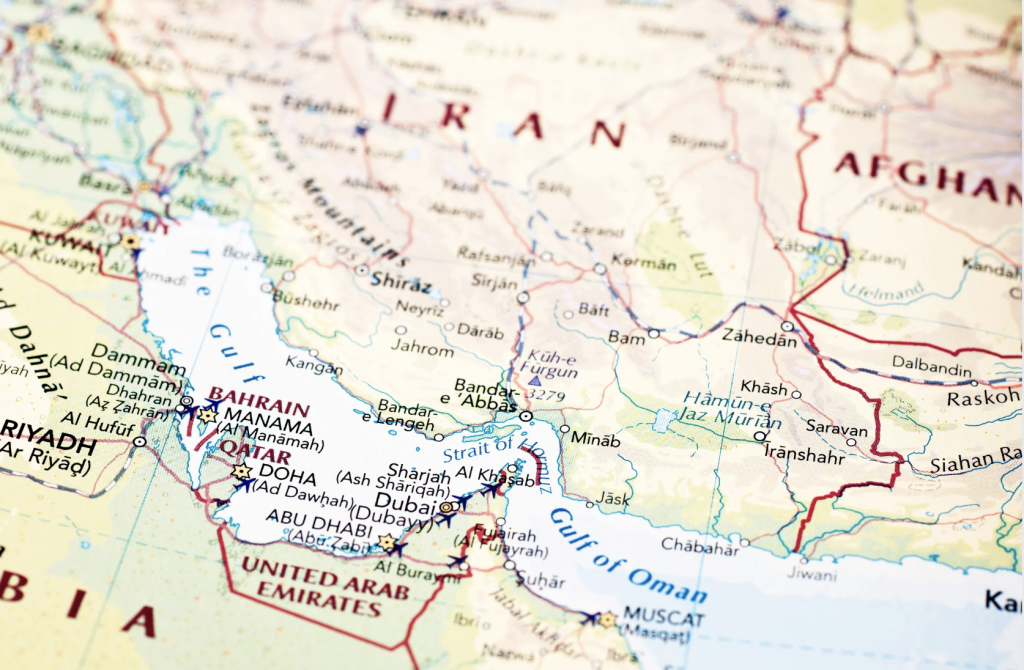
The Strait of Hormuz – the maritime chokepoint between Iran and Oman – carries around 20% of the world’s oil and a similar share of liquefied natural gas (LNG), much of it from Qatar and the UAE.
According to reports, Iran’s Revolutionary Guards told ships on Saturday that passage through the strait was prohibited, in effect shutting the key choke point and prompting the halt of some oil shipments.
Reuters reported that a tanker was attacked on Sunday, leading at least 150 others carrying crude, liquefied natural gas and oil products to drop anchor in open waters as traffic in the region slowed to a near standstill.
If the strait continues to be restricted or effectively closed, the consequences would not stay in the Gulf, but ripple straight into petrol stations, electricity bills and supermarket prices across Andalucia.
Why Hormuz matters so much
According to international shipping data, around 144 vessels pass through the strait daily – more than a third of them oil tankers.
In simple terms, it’s one of the planet’s energy valves.
Iran has repeatedly threatened to close it during periods of heightened tension with the US and Israel. While Tehran has developed a limited alternative export route, it cannot replace the millions of barrels that pass through Hormuz every day.
That means global energy prices would react instantly to any serious disruption — even if the closure were brief.
What this means for Andalucia
Andalucia doesn’t directly import Iranian oil. But oil prices are set globally. If supply tightens, prices surge everywhere.
Here’s how that could hit home:
Fuel and transport costs
Andalucia relies heavily on road transport, agriculture and logistics.
A spike in oil prices would likely mean:
- Higher petrol and diesel prices
- Increased haulage costs
- More expensive food distribution
- Rising agricultural fuel bills
The region’s farming sector – highly mechanised and dependent on diesel – would feel the pressure immediately. So would exporters moving fruit and vegetables across Europe.
Electricity and industry
Spain is one of Europe’s main LNG entry points. Even if much gas comes from Algeria, the market is global.
If Asian buyers lose Qatari gas flowing through Hormuz, they will compete harder for alternative supplies – driving up prices worldwide.
That could mean for Andalucia:
- Higher wholesale electricity prices
- Pressure on energy-intensive industries
- Increased costs in sectors like chemicals, metals and ceramics
- Impacts on industrial hubs such as Huelva and Algeciras
The 2022 energy crisis showed how quickly global shocks can feed into domestic bills.
Ports and trade
Andalucia hosts one of southern Europe’s key logistics hubs: the Port of Algeciras.
If global shipping routes are disrupted or freight costs surge, it could affect:
- Maritime traffic volumes
- Competitiveness of exports
- Energy-related movements through ports like Huelva
Even indirect trade reconfigurations can have local consequences.
Inflation and household pressure
A prolonged closure could trigger imported inflation.
That would likely mean:
- Rising consumer prices
- Reduced household spending power
- Greater strain on vulnerable families
- Added pressure on SMEs dependent on transport and energy
Spain does maintain strategic oil reserves covering roughly 90 days of consumption. But reserves cushion supply, not price spikes.
A distant crisis with local consequences
The Strait of Hormuz may look tiny on a map. But its influence is enormous.
For Andalucia – with its reliance on transport, agriculture, industry and trade – even a temporary disruption could quickly be felt in petrol stations, electricity bills and supermarket tills.
What happens in the Gulf rarely stays in the Gulf.
Read more Andalucia news at the Spanish Eye.