
The New York Times’s travel desk has turned its attention to Andalucia.
In a new feature titled ’36 Hours in Seville’, it brands the Andalucia capital as one of Europe’s essential weekend getaway destinations.
The piece praises the ancient city’s ability to fuse centuries of history, monumental heritage and vibrant contemporary life into just two days.
The newspaper describes Sevilla as ‘walkable, architecturally striking and mild even in winter’, noting the scent of thousands of orange trees that line its streets.
A city shaped by civilisations
The report underlines Sevilla’s layered history – from Roman roots to centuries of Muslim rule and later Christian Spain – and recalls its transformation in 1503 into Spain’s principal port, a status that fuelled immense wealth during the Age of Exploration.
It presents the city as a distillation of Spanish culture, referencing flamenco, gazpacho, equestrian traditions, bullfighting and decorative tilework.
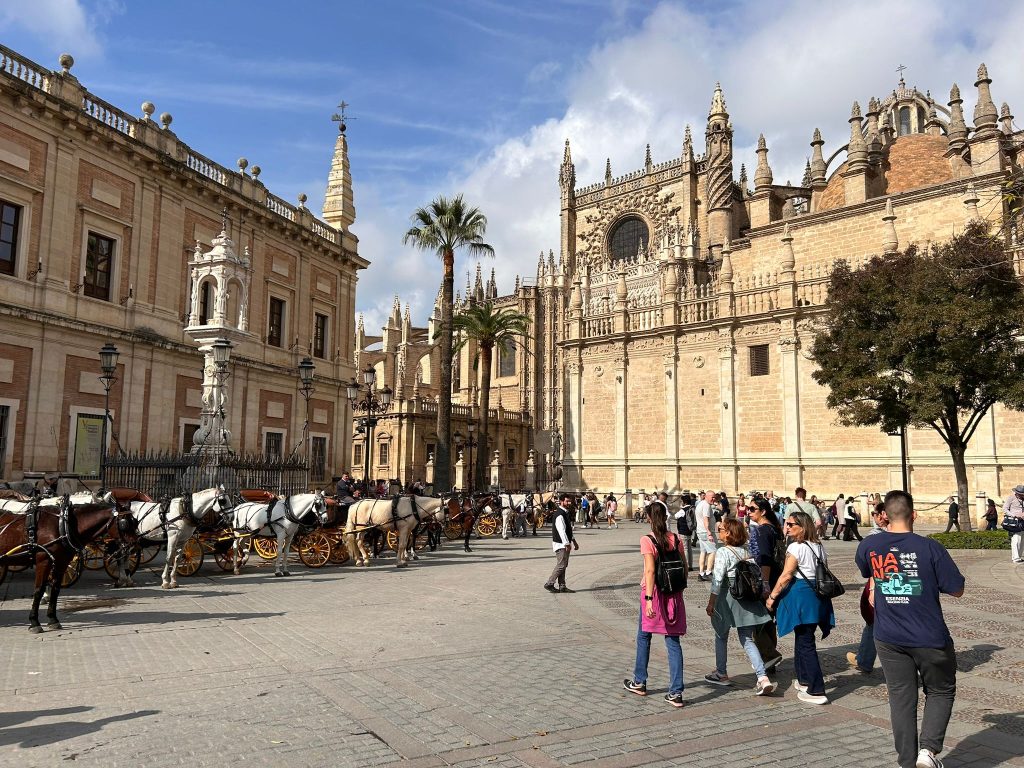
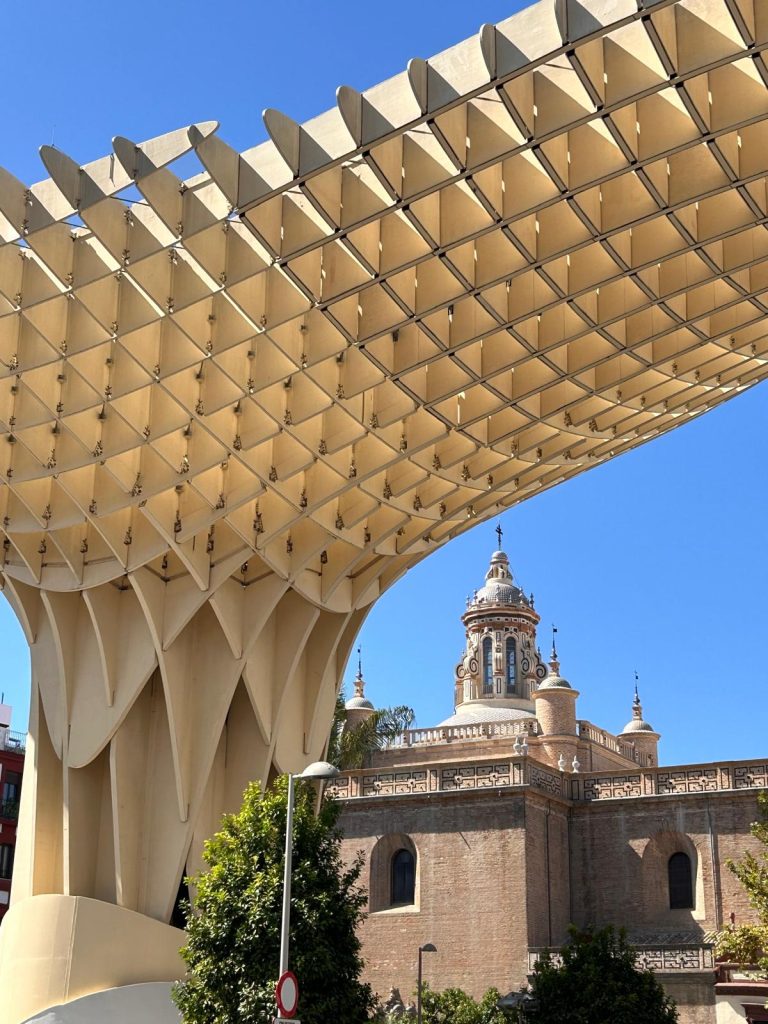
Among the must-see landmarks are the Catedral de Sevilla, Real Alcazar de Sevilla and Archivo General de Indias – a trio recognised together as a UNESCO World Heritage Site.
The article also points to more recent cultural developments, including the expansion of the Centro Andaluz de Arte Contemporaneo, the replica of the Nao Victoria – the ship that departed Sevilla in 1519 and completed the first circumnavigation of the globe – and a new wave of hotel openings, such as boutique properties and the planned arrival of a Four Seasons hotel in 2027.
What to see in 36 hours
For a short stay, the newspaper recommends aristocratic palaces such as the Casa de Pilatos and the Palacio de las Dueñas, describing them as examples of Andalucian splendour.
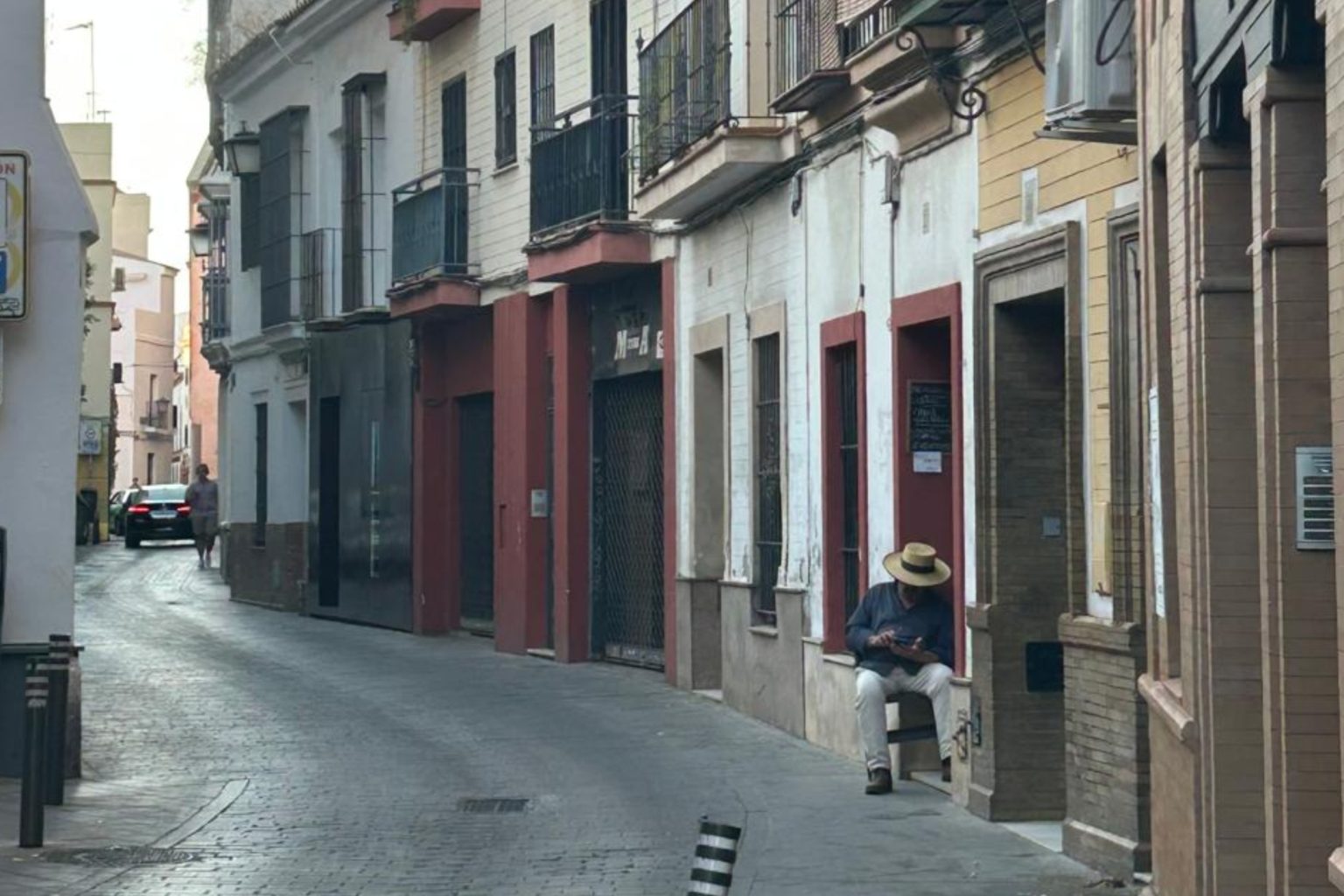
It encourages visitors to cross the Guadalquivir River into Triana, a neighbourhood known for its strong identity and ceramics heritage, as well as exploring Calle Feria and La Alameda, areas highlighted for their creative atmosphere, independent shops and markets.
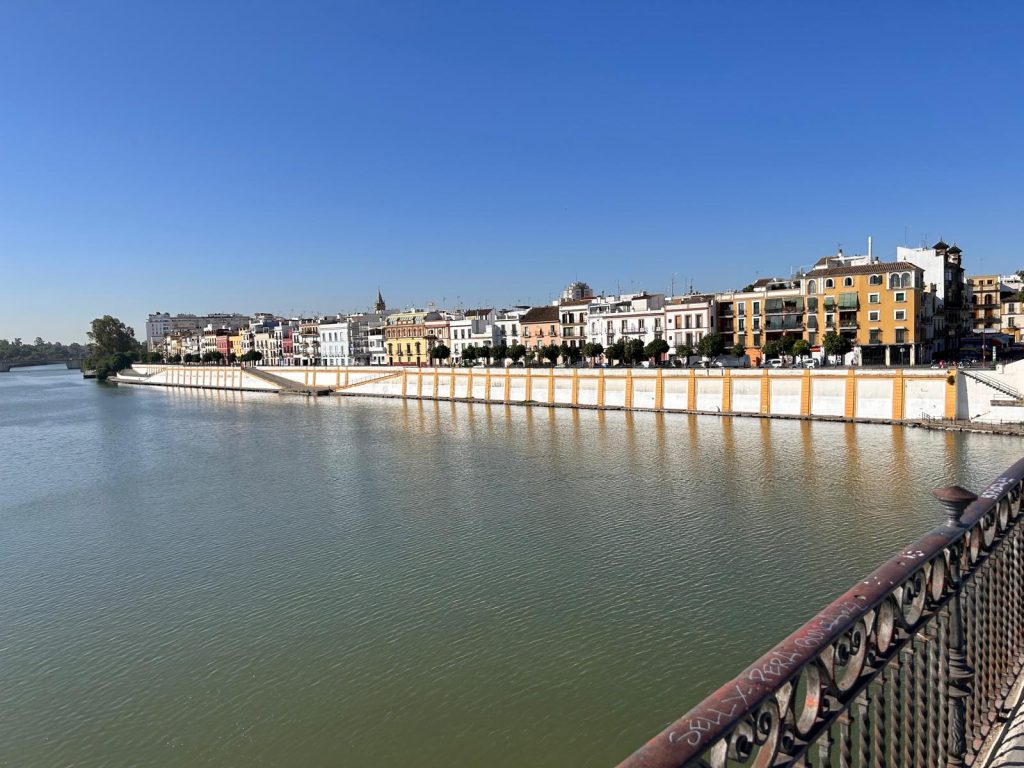
Alongside major attractions such as the Museo de Bellas Artes and the Metropol Parasol, the feature suggests discovering lesser-known sites including the Real Parroquia de Señora Santa Ana in Triana, begun in 1266 and considered the first church built in the city after the Christian conquest of 1248.
Shopping with local character
The report also dedicates space to Sevilla’s artisan and independent retail scene, recommending ceramics galleries, traditional hatmakers and specialist print and map shops focused on Andalucia’s heritage.
Calle Feria, in particular, is singled out for its concentration of vintage boutiques and retro fashion stores, reinforcing its status as one of the city’s most distinctive shopping districts.
Read more Andalucia news at the Spanish Eye.