
A crack team of scientists in Spain have completely eradicated pancreatic tumours in mice, in a potentially huge breakthrough.
More than 10,300 people are diagnosed with the disease in Spain each year, in what is one of the deadliest forms of cancer due to its typically late detection.
Current treatments are also limited and fewer than one in 10 patients survive five years after diagnosis.
But there is renewed hope in the fight against the condition following a landmark study published in the prestigious medical journal PNAS.
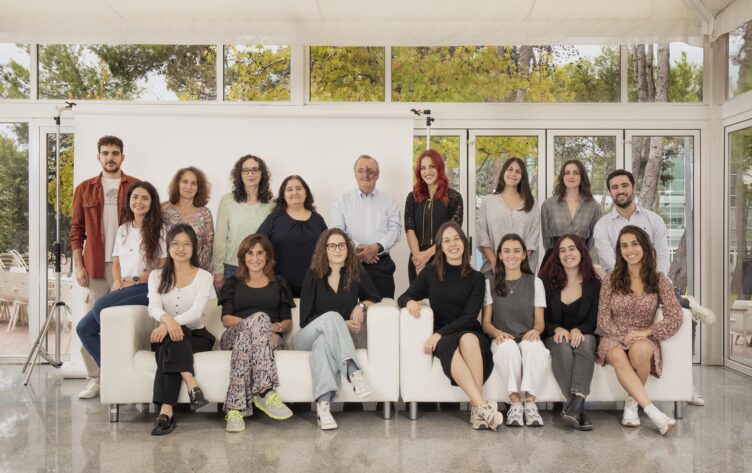
A team led by renowned Spanish scientist Mariano Barbacid has developed an experimental therapy that has completely wiped out pancreatic tumours in mice, with long-lasting results and no significant side effects.
The research was carried out at Spain’s National Cancer Research Centre and shows, for the first time, a way to overcome one of the biggest obstacles in pancreatic cancer treatment: resistance to therapy.
Breaking the tumour’s defences
Until recently, treatment options for pancreatic cancer had barely moved beyond standard chemotherapy.
In 2021, new drugs targeting a mutated gene known as KRAS – present in around 90% of pancreatic cancer cases – were finally approved.
While they marked a breakthrough, their impact was limited. After a few months, the tumours typically adapted and became resistant. Barbacid’s team set out to tackle that problem head-on.
Instead of blocking the KRAS pathway at a single point, as current drugs do, the researchers shut it down at three different stages at once.
The idea is simple: it is much harder for the cancer to escape if multiple escape routes are cut off at the same time.
When the team genetically disabled three key molecules linked to KRAS in mouse models, the tumours disappeared completely and did not return.
A triple-drug approach
To replicate this strategy with medication, the researchers tested a combination of three drugs: an experimental KRAS inhibitor, a drug already approved for certain lung cancers, and a compound that helps destroy cancer-related proteins.
The triple therapy was tested in three different mouse models of pancreatic cancer. In all cases, the tumours shrank dramatically and stayed under control, without causing serious toxicity.
The study concludes that this combined approach produces ‘robust and lasting tumour regression’ while preventing resistance – a major step forward in a cancer that has long defied treatment.
Hope, but not hype
Despite the promising results, researchers are careful to manage expectations. The treatment is not yet ready to be tested in patients.
‘This is a major experimental advance, but we are not in a position to begin clinical trials just yet,’ Barbacid said. Optimising the therapy for human use will be complex and time-consuming.
Even so, the team believes the findings could pave the way for new clinical trials and, in the medium term, real improvements in survival for patients with pancreatic cancer.