
By using this site, you agree to the Privacy Policy.
Accept
Sign In
The Spanish EyeThe Spanish EyeThe Spanish Eye
Notification Show More
  • Home
  • News
  • Travel
  • Events
  • Health
  • Property
  • About Us
  • Contact
  • Login
  • Subscribe
Reading: Spain identifies genes to help better identify deadly pancreas cancer
Share
The Spanish EyeThe Spanish Eye
Search
  • Home
  • News
  • Travel
  • Health
  • Property
  • About Us
  • Contact
  • Subscribe
Have an existing account? Sign In
Follow US
The Spanish Eye > Health > Spain identifies genes to help better identify deadly pancreas cancer
HealthNews

Spain identifies genes to help better identify deadly pancreas cancer

The disease is one of the deadliest due its difficulty to detect, which often results in it being found at a very advanced stage.

Last updated: January 19, 2026 12:15 pm
Laurence Dollimore
Published: January 19, 2026
Share

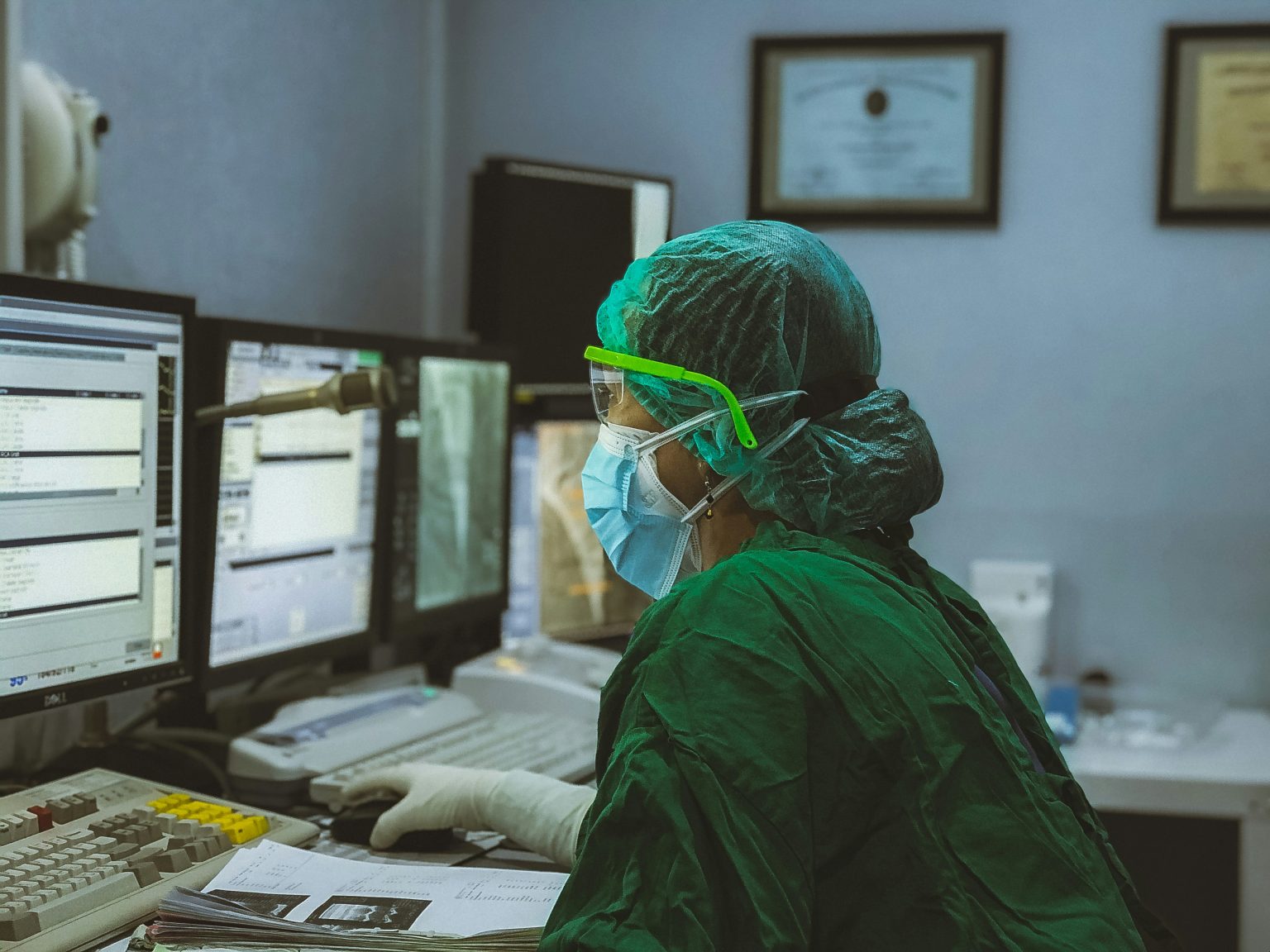
Spanish scientists have identified genes that help identify a person’s risk of developing pancreatic cancer – as well as its likely prognosis.

The disease is one of the deadliest due its difficulty to detect, which often results in it being found at a very advanced stage.

The findings by the Centro Nacional de Investigaciones Oncologicas (CNIO) focus on pancreatic ductal adenocarcinoma, the most common form of pancreatic cancer.

The research could help identify individuals who may benefit from early detection programmes.

Details of the study have been published in the journal Nature Communications and were led by researchers Nuria Malats and Evangelina Lopez de Maturana from CNIO’s Epidemiology and Molecular Genetics Group.

The genes identified are part of the body’s innate defence system, known as the complement system. This system plays a key role in immune responses, and when its proteins fail, are missing or are produced in excess, disease can develop.

According to CNIO, very few studies to date have linked the complement system to cancer.

The research shows that the likelihood of developing pancreatic cancer increases when two specific complement system genes – FCN1 and PLAT – are mutated.

These genes could become useful biomarkers for screening people at higher risk. When their presence, combined with other factors, suggests susceptibility to pancreatic cancer, patients could be enrolled in monitoring and follow-up programmes.

The team also found that other complement system genes are associated with two types of immune cells: protective cells and regulatory cells.

Their analysis shows that the activity of certain gene groups determines whether tumours are infiltrated by protective immune cells, which improve survival, or regulatory cells, which have the opposite effect.

Understanding how the complement system is linked to pancreatic cancer may also open new treatment pathways.

- Advertisement -

As Malats explains, pancreatic cancer is considered a ‘cold’ tumour because it is able to evade the immune system, preventing an effective immune response.

This is one of the reasons why pancreatic cancer does not currently respond well to immunotherapy. The new findings, she says, ‘allow us to consider new immunotherapies targeted at these genes’.

The team has also developed a freely accessible website and app to support its use.

By sequencing the RNA of a tumour sample and uploading the data, clinicians can determine the tumour subtype.

The classifier identifies two subtypes based on tumour cell information and two based on the surrounding stroma – the healthy tissue that influences treatment effectiveness.

The model can indicate which subtype is more likely to respond to commonly used therapies and can also be used to study pancreatic cancer risk factors.


- Advertisement -
‘The truth will be known’: Pedro Sanchez speaks during visit to Cordoba train crash site
PICTURED: First victims of Cordoba train crash named as journalist and photographer couple
Renfe president says Cordoba train crash was ‘not due to excessive speed’: Days of travel disruption expected
Spain develops new strategy to treat deadly child cancer
Families of Cordoba train crash victims to provide DNA samples to help identify them
TAGGED:cancerhealthSpain

Sign Up For Newsletters

Be kept up to date! Get the latest breaking news delivered straight to your inbox.
Please wait...

Thank you for signing up!

Share This Article
Facebook Email Print
ByLaurence Dollimore
Laurence Dollimore has been covering news in Spain for almost a decade. The London-born expat is NCTJ-trained and has a Gold Star Diploma in Multimedia Journalism from the prestigious News Associates. Laurence has reported from Spain for some of the UK's biggest titles, including MailOnline, The Telegraph, Daily Mail, Mail on Sunday, The Sun and the Sun Online. He also has a Master's Degree in International Relations from Queen Mary University London.
Leave a Comment

Leave a Reply Cancel reply

You must be logged in to post a comment.

Popular News
NewsProperty

EXPLAINED: Spain’s new housing proposal set to offer 100% tax deduction for landlords

Laurence Dollimore
January 12, 2026
‘Novillero’ bullfighter, 17, found dead in his bed in Madrid hours after training
The safety fears of V16 beacons in Spain: Pirate tow trucks, criminal gangs and more
Inside Spain’s war on cash – including €1,000 limit and rewarding snitches
WATCH: At least 39 dead and 170 injured after two high-speed trains collide in Cordoba

Events

19
Jan
19
Jan

Prevent in Education – Early Years Foundation Stage Training

2026-01-19 @ 06:00 PM
-
Load more listings
Add an Event

You Might Also Like

CordobaNews

WATCH: Aerial footage shows devastation of Cordoba train crash that killed at least 39

January 19, 2026
CordobaNews

Spain’s King Felipe VI and Queen Letizia to visit Cordoba train crash site ‘as soon as possible’

January 19, 2026
CordobaNews

Worried about loved ones caught up in Cordoba train crash? This is who to call

January 19, 2026
CordobaNews

Vox party leader is blasted for seizing on Cordoba train crash to criticise government ‘while bodies are still being counted’

January 18, 2026

Categories

  • News
  • Costa del Sol
  • Travel
  • Weather
  • Andalucia
  • Crime
  • Costa del Crime
  • Health
  • Property
  • Life in Spain

The Spanish Eye

Your first look at what’s happening in Andalucia Spain - All the latest news, opinion and analysis.
Quick Link
  • Home
  • News
  • Subscribe
  • Contact
Top Categories
  • News
  • Travel
  • Health
  • Property

Get News straight to your inbox

Subscribe to our newsletter to get our newest articles instantly!

Please wait…

Thank you for signing up!

© The Spanish Eye 2024 - All rights reserved | Privacy Policy
Welcome Back!

Sign in to your account

Username or Email Address
Password

Lost your password?

Not a member? Sign Up