
The widely-criticised V16 beacons have been mandatory for drivers in Spain since the first day of 2026.
The flashing devices replace the traditional warning triangles that drivers used to have to place 50 metres behind their car in the event of an accident.
The aim is stop people having to walk in the direction of oncoming traffic, after it caused a number of deaths each year.
The new beacons keep drivers inside their vehicles and provide faster, real-time alerts to other road users and emergency services.
But just days after the system became mandatory, the Guardia Civil has issued warnings about new risks linked to the technology.
It comes after videos shared online show how useless the beacons can be in certain traffic accidents.
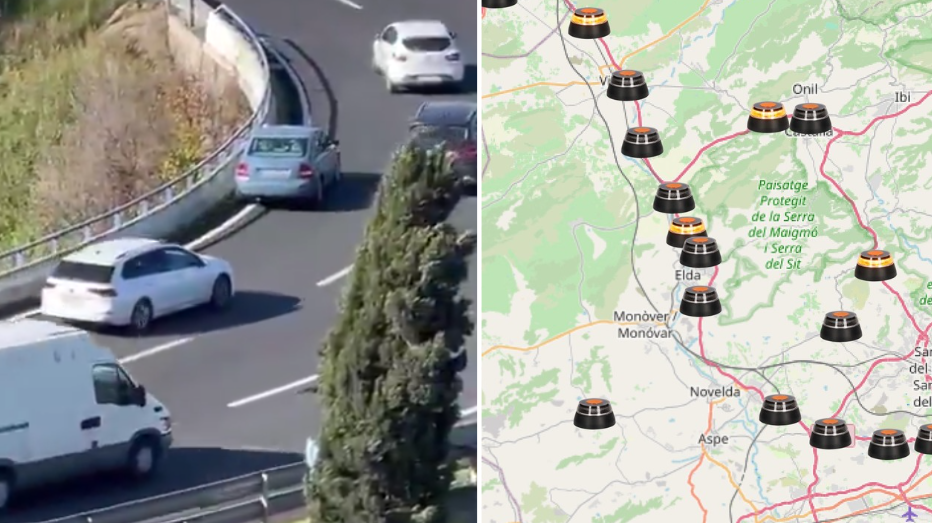
The most problematic seems to be when a vehicle breaks down on the curve of a road.
One clip shows how as other drivers come around the bend, especially in the day time, they do not see the flashing beacon until they are right behind the broken down car, increasing the risk of accidents.
Geolocation: a double-edged sword
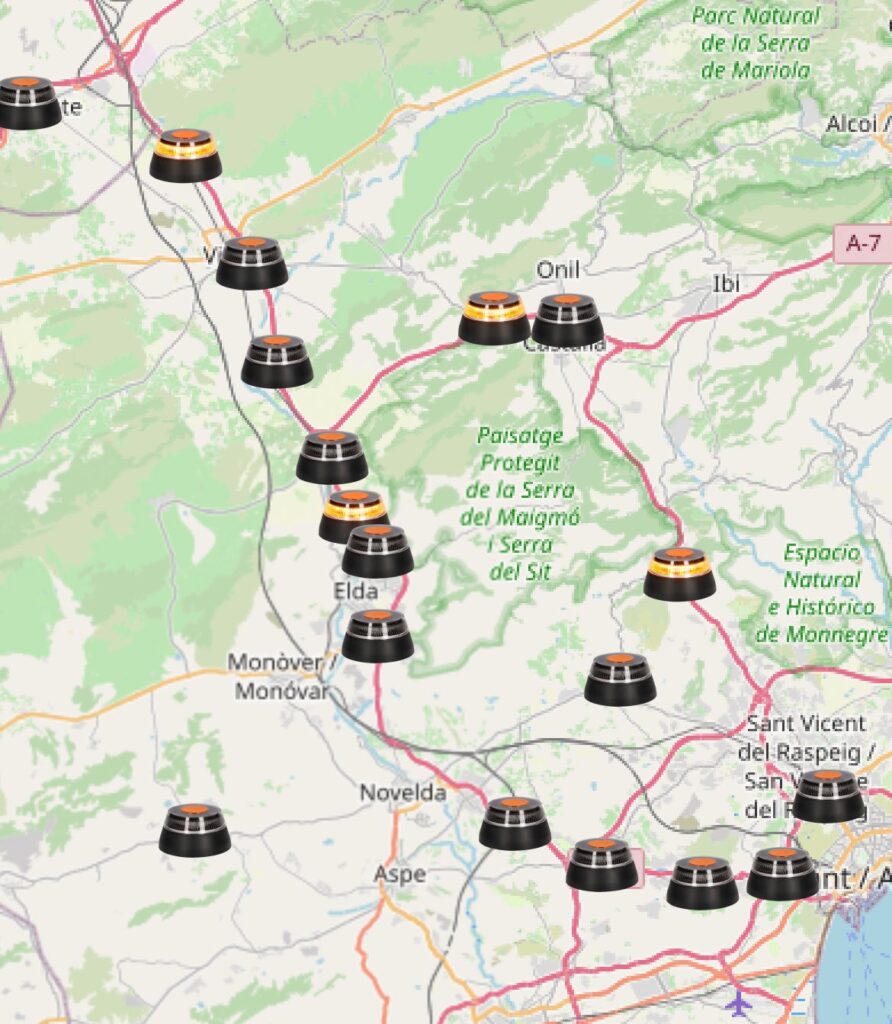
Unlike the old triangles, connected V-16 beacons automatically transmit the exact location of a stranded vehicle to the Dirección General de Tráfico’s DGT 3.0 digital platform.
That information is then shared with traffic apps and navigation systems to warn other drivers and manage incidents more efficiently.
While the DGT and Spain’s data protection authority stress that no personal data, registration numbers or driver identities are transmitted, the Guardia Civil warns that publicly visible location data can still be exploited by third parties with malicious intent.
Rise of ‘pirate recovery trucks’
The most immediate concern flagged by officers is the emergence of so-called grúas pirata.
These are unauthorised tow trucks that monitor live incident maps and rush to breakdown locations before official roadside assistance arrives.
According to police, drivers – stressed, vulnerable and often unsure – may accept help believing it is legitimate.
In many cases, the vehicle is then taken to an unauthorised garage and the driver is forced to pay inflated fees, often between €100 and €300 or more.
Insurers typically refuse to cover these costs, as the service was never officially requested.
Wider criminal risks and privacy fears
Beyond fraud, the Guardia Civil also warns that organised criminal groups could use real-time geolocation data to target vehicles stopped on quiet roads, particularly at night.
Knowing the precise location of a stationary car can create opportunities for theft or intimidation with reduced risk of detection.
Although authorities insist the system does not allow tracking individuals or building movement profiles, the visibility of exact coordinates has reignited debate over privacy safeguards and whether tighter controls are needed on who can access this information.
Official advice for drivers
To reduce the risk of fraud or exploitation, the Guardia Civil urges motorists to:
- Always contact your insurer or official roadside assistance provider directly
- Verify the identity of any recovery vehicle before accepting help
- Refuse services you did not request yourself
- Avoid paying cash or agreeing to take your vehicle to unauthorised workshops
The V-16 beacon remains a cornerstone of Spain’s new road safety strategy, but as police now warn, drivers must stay alert not only to traffic, but also to who responds when that flashing light goes on.