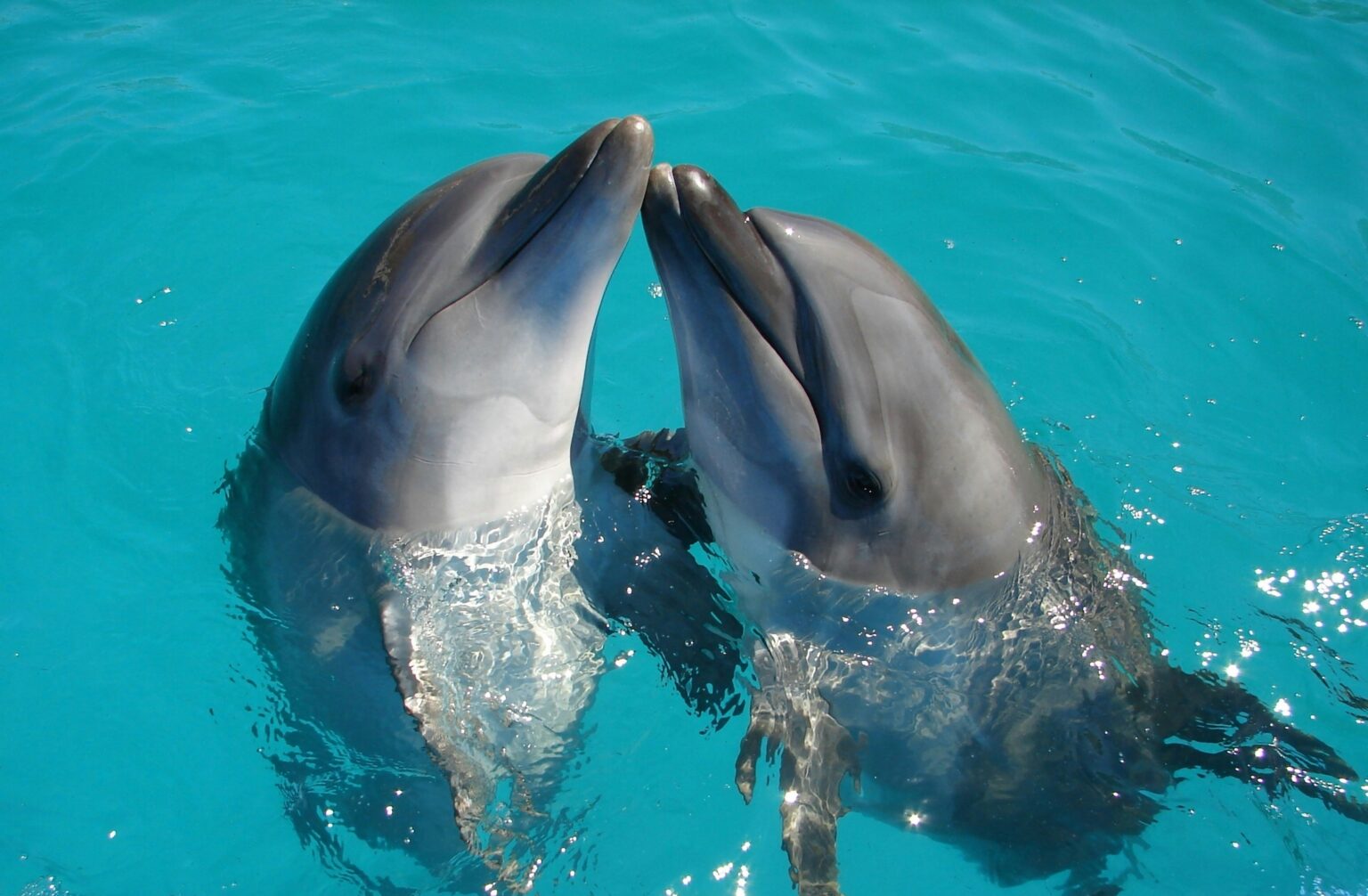

A highly pathogenic avian influenza (H5N1) could be present in dolphins, porpoises and whales, Malaga experts have warned.
It comes as a major new scientific review raises concerns about risks to marine mammals and, indirectly, to public health.
The findings come from a study led by the Instituto Español de Oceanografía (IEO-CSIC), headquartered in Malaga, which concludes that infection in cetaceans is not only plausible, but could represent a ‘particularly dangerous problem’ depending on its scale and ability to adapt.
‘We still don’t know the magnitude of the risk, or whether it poses any real danger to humans,’ said Jose Carlos Baez, one of the study’s authors.
‘This virus could affect any marine mammal. There is no need for alarm, but this clearly calls for further investigation as a precaution and for scientific understanding.’
Baez pointed out that mass mortality events linked to avian flu have already occurred elsewhere in the world, affecting species such as Arctic foxes and cetaceans, underlining the seriousness of the issue.
The study, titled Concern about the Spread of Highly Pathogenic Avian Influenza in Cetaceans and published in the scientific journal Viruses, was authored by Baez alongside Carolina Johnstone and Teresa Perez-Sanchez, the paper’s lead author.
For the first time, researchers conducted a global review of all known cases of influenza A virus detected in cetaceans, using genetic sequencing libraries spanning from the 1970s to the present day.
This work is considered a crucial preliminary step before launching direct monitoring programmes, particularly in the Mediterranean.
The team analysed 21 viral isolates from cetaceans, searching for 40 molecular markers associated with mammal adaptation, as defined by the European Food Safety Authority (EFSA).
The results identified key mutations in viral proteins involved in cell entry and replication – including haemagglutinin (HA), the PB2 polymerase protein and nucleoprotein (NP).
‘The virus has a key that fits the lock – in other words, it can bind to dolphin cells,’ Baez explained.
‘We now have evidence that infection is biologically plausible. The next step is to actively look for the virus in our environment.’
One of the most likely transmission routes, researchers say, is regular contact between cetaceans and seabirds at the sea surface.
This raises particular concern in areas such as the Mar de Alboran, where common dolphins (Delphinus delphis) are frequently observed close to shore, including off the coast of Fuengirola.
While infection of cetaceans is considered complex, scientists warn that if the virus becomes established in dolphins or similar species, it could then adapt to other mammals.
‘There have already been isolated cases of human infection,’ Baez said. ‘What has not happened – so far – is sustained human-to-human transmission.’
Researchers stress that they have not yet calculated the likelihood of the virus being present in Spanish waters, as this will depend heavily on the prevalence of avian flu among seabirds. The situation, they note, is currently more serious in the southern hemisphere.
Given the findings, the team is calling for enhanced monitoring of marine mammals, framing the issue as one of public health as well as wildlife protection.